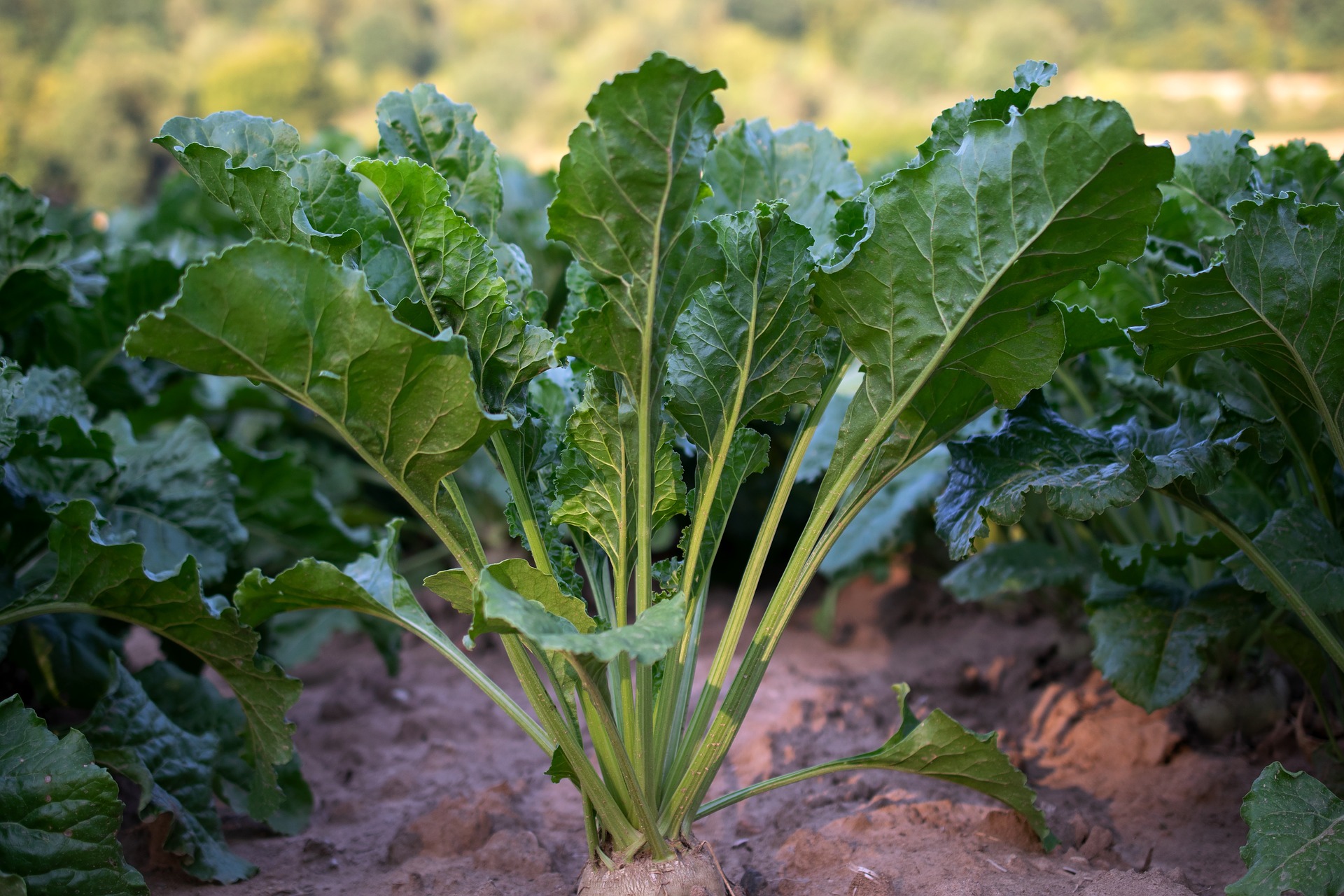
Defra has approved an emergency temporary authorisation for the use of a neonicotinoid pesticide treatment on this year’s sugar beet crop due to the risk to the crop from yellows viruses.
Emerging sugar beet seedlings are vulnerable to predation from aphids that have the potential to spread beet yellows virus, which can severely affect sugar beet yield and quality. In 2020, 25% of the national sugar beet crop was lost, costing £67m of total economic loss across an industry that creates nearly 10,000 jobs.
Defra has attached strict conditions to the emergency authorisationincluding only allowing for application if independent modelling predicts a virus incidence of 63% or above. If the virus threshold is not met, then the neonicotinoid treated seed will not be used.
If the threshold is met and limited use is allowed, then further strict conditions will be applied to minimise risks to the environment. This includes a maximum number of seeds planted per hectare and restrictions on farmers planting flowering crops in subsequent years in any field where treated seed has been used. This is to allow time for the chemical to break down.
Emergency authorisations for pesticides are only granted for a short period of time, in special circumstances where it is necessary because of a danger that cannot be contained by any other reasonable means, and the use is limited and controlled. Other pesticide and organic treatments are not sufficiently effective in controlling the virus
The overall ban on the use of neonicotinoid pesticides remains in place.
Farming Minister Mark Spencer said:
We recognise the potential danger of an outbreak of the beet yellows virus on the nation’s sugar beet crop and the impact it could have on the production of UK sugar. Therefore after careful consideration, we regard issuing an emergency authorisation as a necessary measure to protect the industry.
The product can only be used if a strict threshold is met and on a single non-flowering crop. This decision has not been taken lightly and is based on extensive and rigorous scientific assessment.
The Farming Minister considered advice on this application from the Health and Safety Executive, the independent UK Expert Committee on Pesticides and Defra’s Chief Scientific Adviser.
Source - https://www.gov.uk