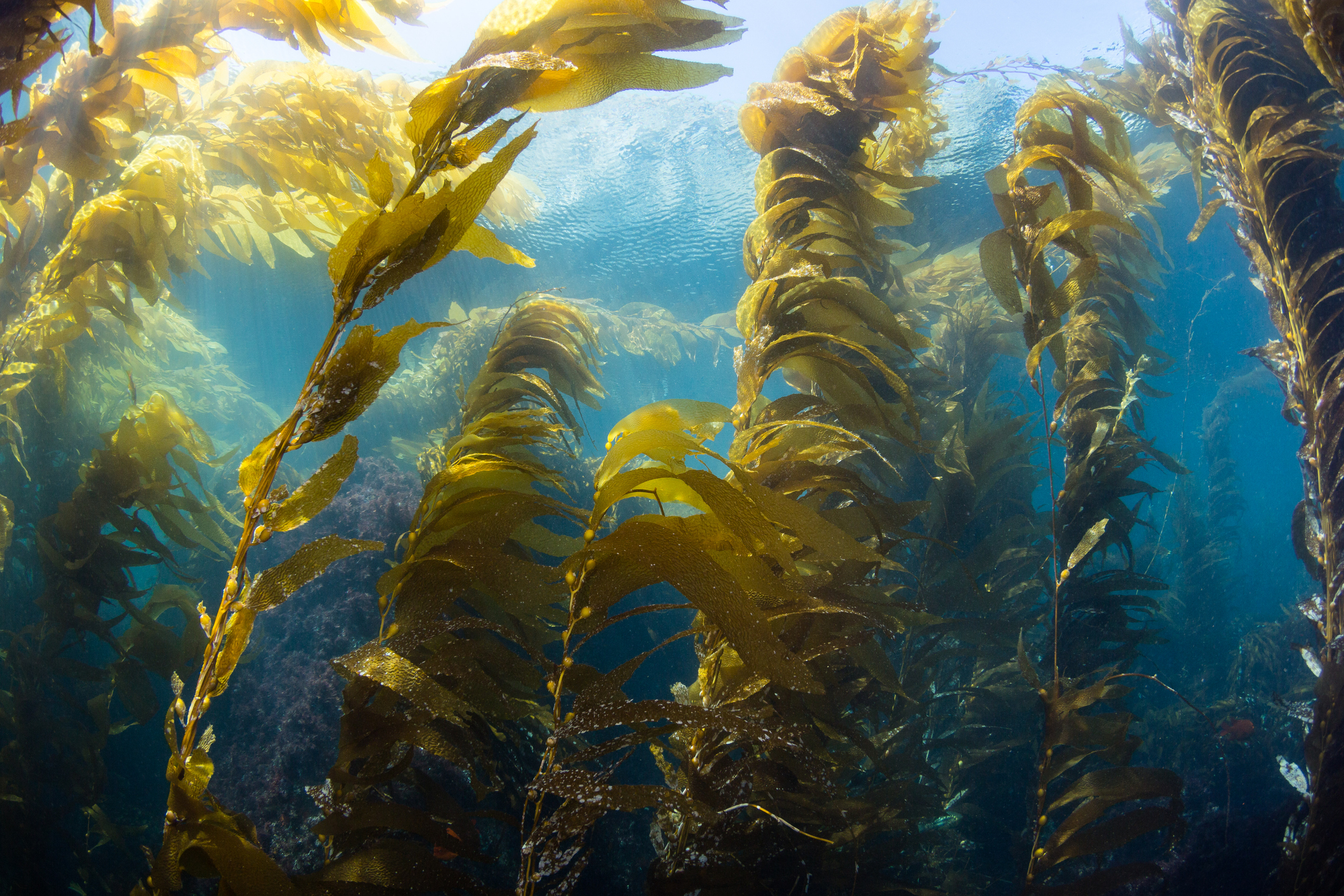
On 15 January, the U.S. Department of Energy (DOE) announced it would invest USD 25 million (EUR 23.8 million) into the U.S. aquaculture industry’s production of deep-ocean seaweed.
The project, entitled the Harnessing Automoty for Energy Joint ventures Offshore (HAEJO), is spearheaded by the DOE’s Advanced Research Projects Agency-Energy (ARPA-E), and aims to “develop a U.S.-led marine energy hydrocarbon and industrial commodity supply through the deep-water cultivation of seaweed biomass at million-ton scale for a wide variety of energy products.”
According to the DOE, the project will make use of a “unique but underutilized U.S. advantage,” which is the world’s largest exclusive economic zone (EEZ).
“HAEJO’s offshore seaweed cultivation technologies could unlock new opportunities for the energy sector," ARPA-E Director Evelyn Wang said. "They will both reduce the strain on land and freshwater resources and enable a new, domestic, megaton-scale supply source.”
The project will rely on collaboration with the South Korean seaweed cultivation industry. Technical partnerships with South Korean experts and technologies drawn from the South Korean market will help the project scale domestic seaweed cultivation by “at least three orders of magnitude,” according to the DOE.
“Leveraging work efforts in this field from around the world gives HAEJO technologies the potential to accelerate U.S. energy independence and secure U.S. leadership in ocean industry and technology,” Wang said.
ARPA-E is, according to the DOE, the “disruption wing of the [department] that funds and directs the discovery of outlier energy technologies that are strategic to America’s energy security.”
Source - https://www.seafoodsource.com