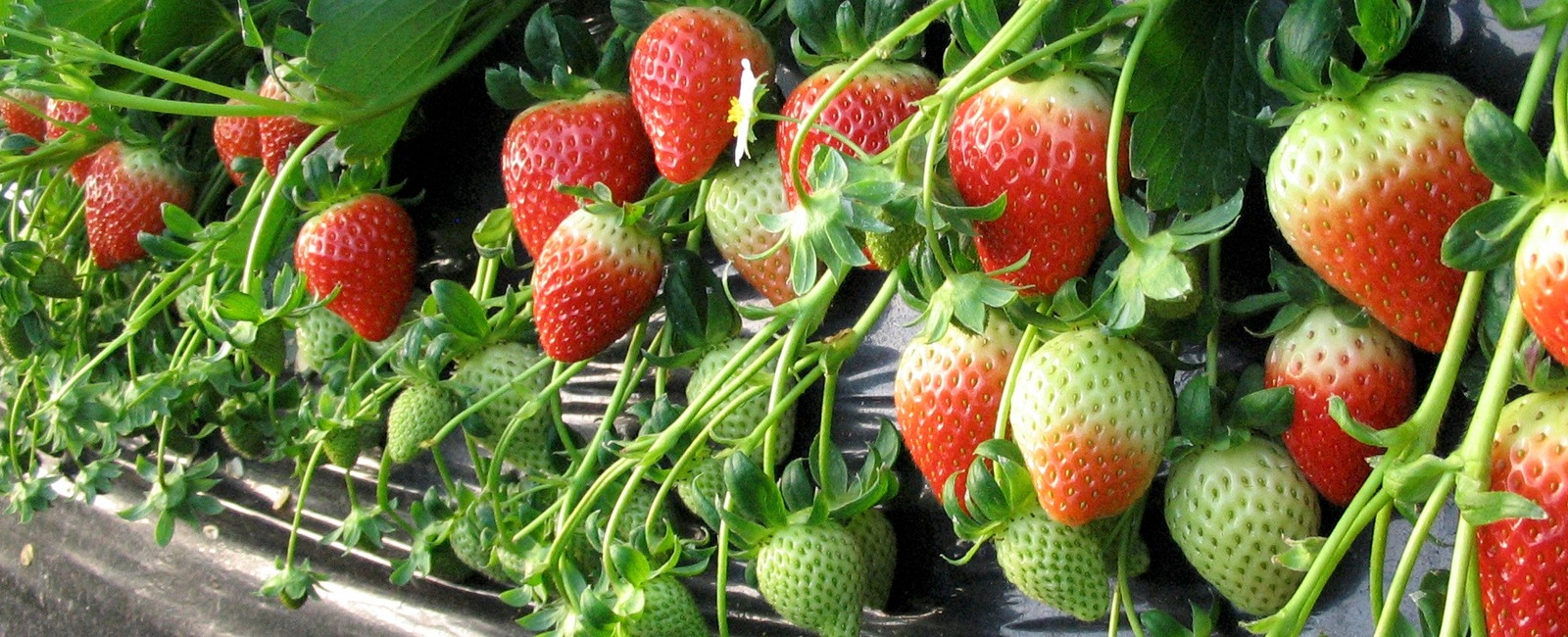
South Carolina strawberry farmers are approaching spring with cautious optimism.
For the last few years, a fungus has ruined harvests across the Southeastern United States. There are no numbers available for how much South Carolina crop was lost to Neopest — an abbreviation of Neopestalotiopsis — but agricultural experts said it can be a setback to a farm.
Strawberries are grown in 26 of the Palmetto state’s 46 counties, with Spartanburg County boasting the most acres dedicated to the heart-shaped fruit. Most will find out this month if they’vee been spared by the fungus.
“Where there are big infections of this, the losses can be anywhere from a 50 percent to 100 percent loss,” said Lindsey Thiessen, assistant professor and small fruits pathologist for Clemson University’s Department of Plant and Environmental Sciences. “So it can be very dramatic in a given field.“
In Chester County last year, Cotton Hills Farms in Lowrys experienced an 80 percent loss.
The University of Georgia Cooperative Extension prices the loss of a strawberry crop at $50,000 per acre, plus the cost of managing the disease.
Farmers were able to pinpoint a genesis of the fungus to greenhouses in Canada. Many S.C. growers had been ordering their plants from north of the border.
“What we’ve learned is if we can start with a clean plant, that’s the key,” said Jeff Westbury of Summerville’s Westbury Farms. “We went away from Canada and started ordering from California. I’ve heard some people order from Idaho now.”
It’s a challenge as the planting material may not show signs of infection prior to being put in the ground, Thiessen said. If they are, they’ll produce strawberries with sunken wounds and black specks, she said.
For now, the sourcing of strawberry plants is the primary way S.C. farmers are attempting to dodge Neopest.
“One thing we're working to get is host resistance,” Thiessen said. “There's no specific cultivars out there that are just completely resistant to Neopest, but we do have some trials ongoing here at Clemson and with other universities abroad that are looking at different varieties to see if any have tolerance to Neopest.”
Source - https://www.postandcourier.com/