A group of researchers with the Diverse Corn Belt project say transformational federal policy changes are needed to bring more opportunities to Midwestern farmers.
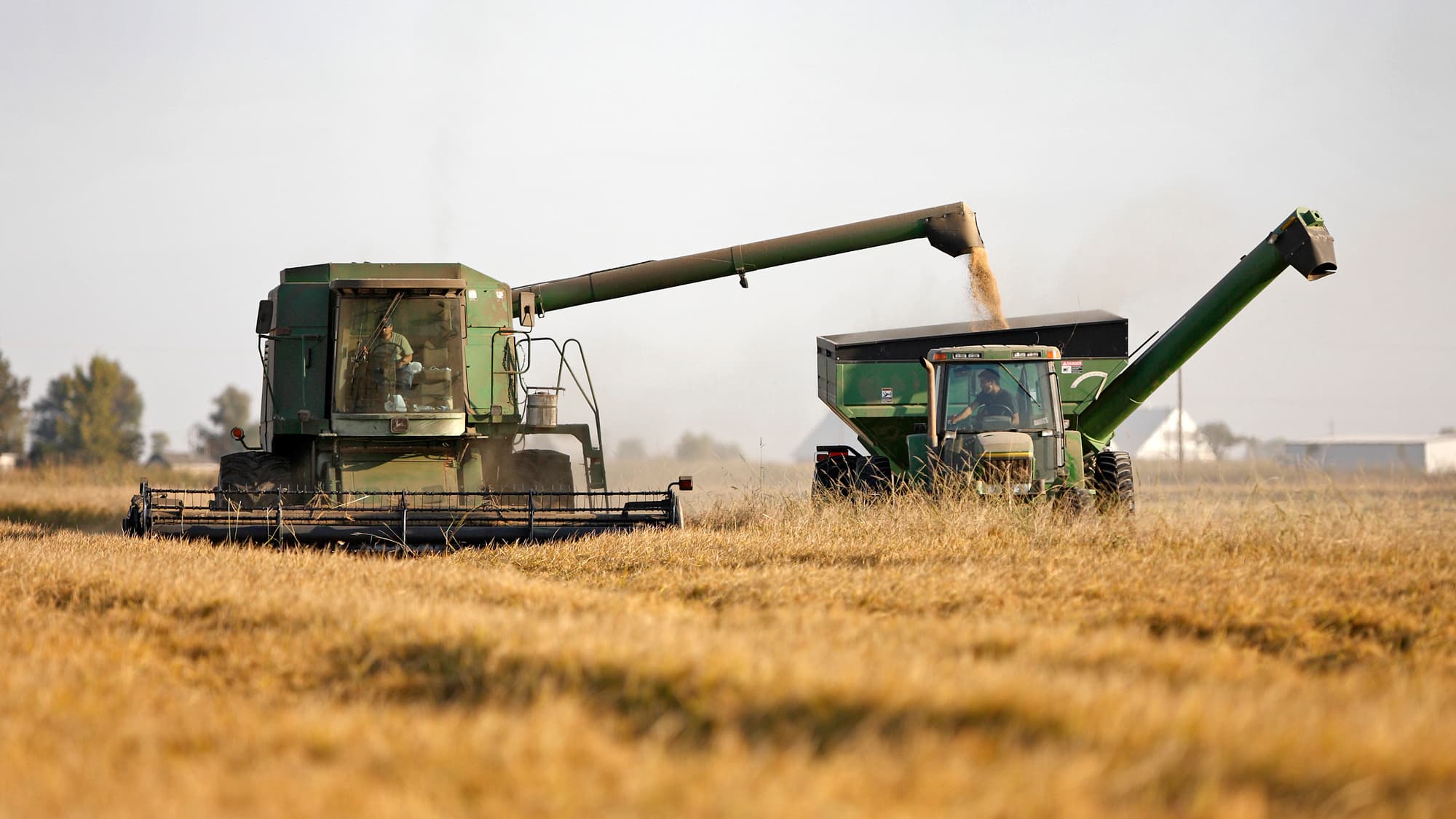
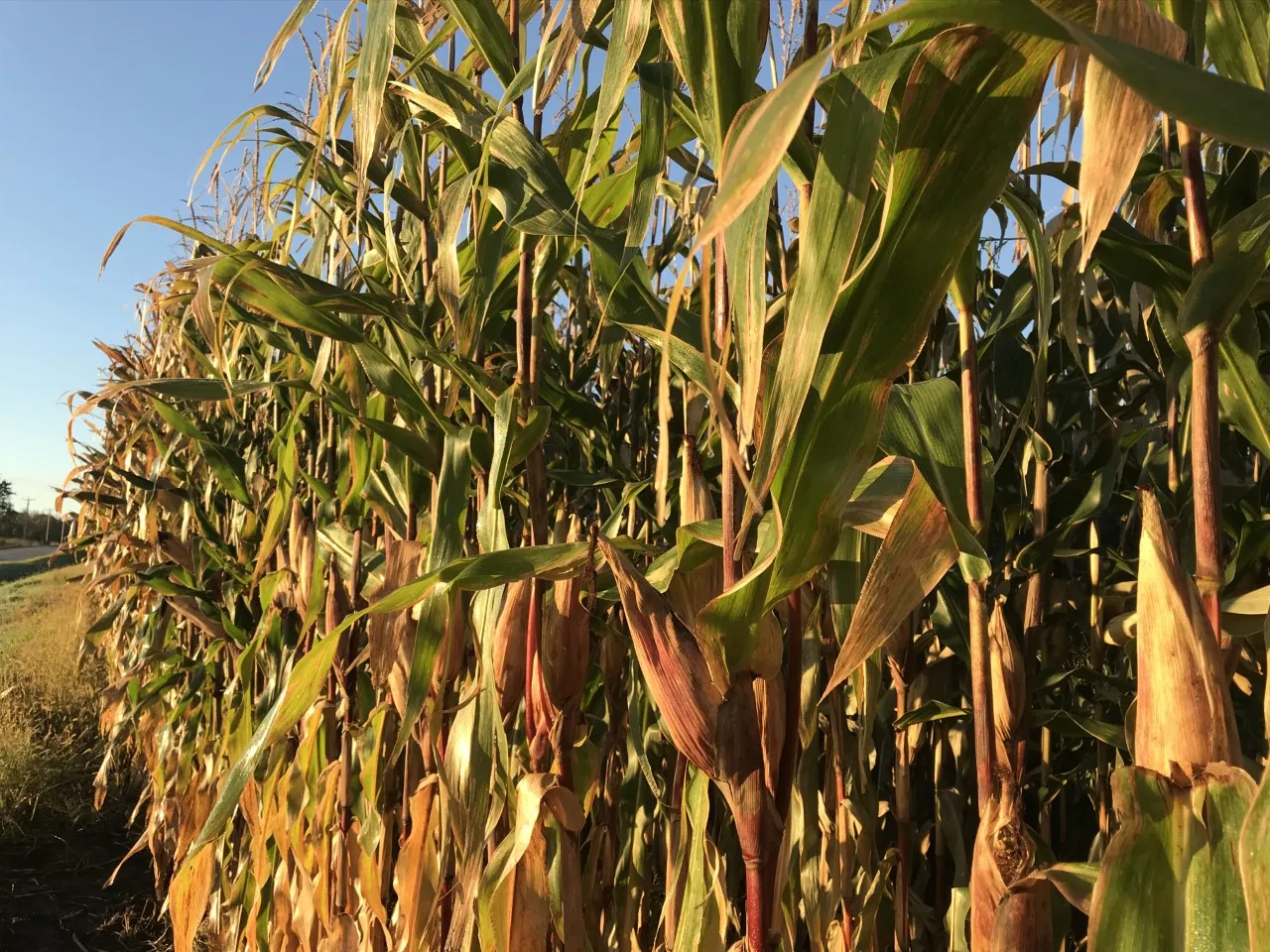
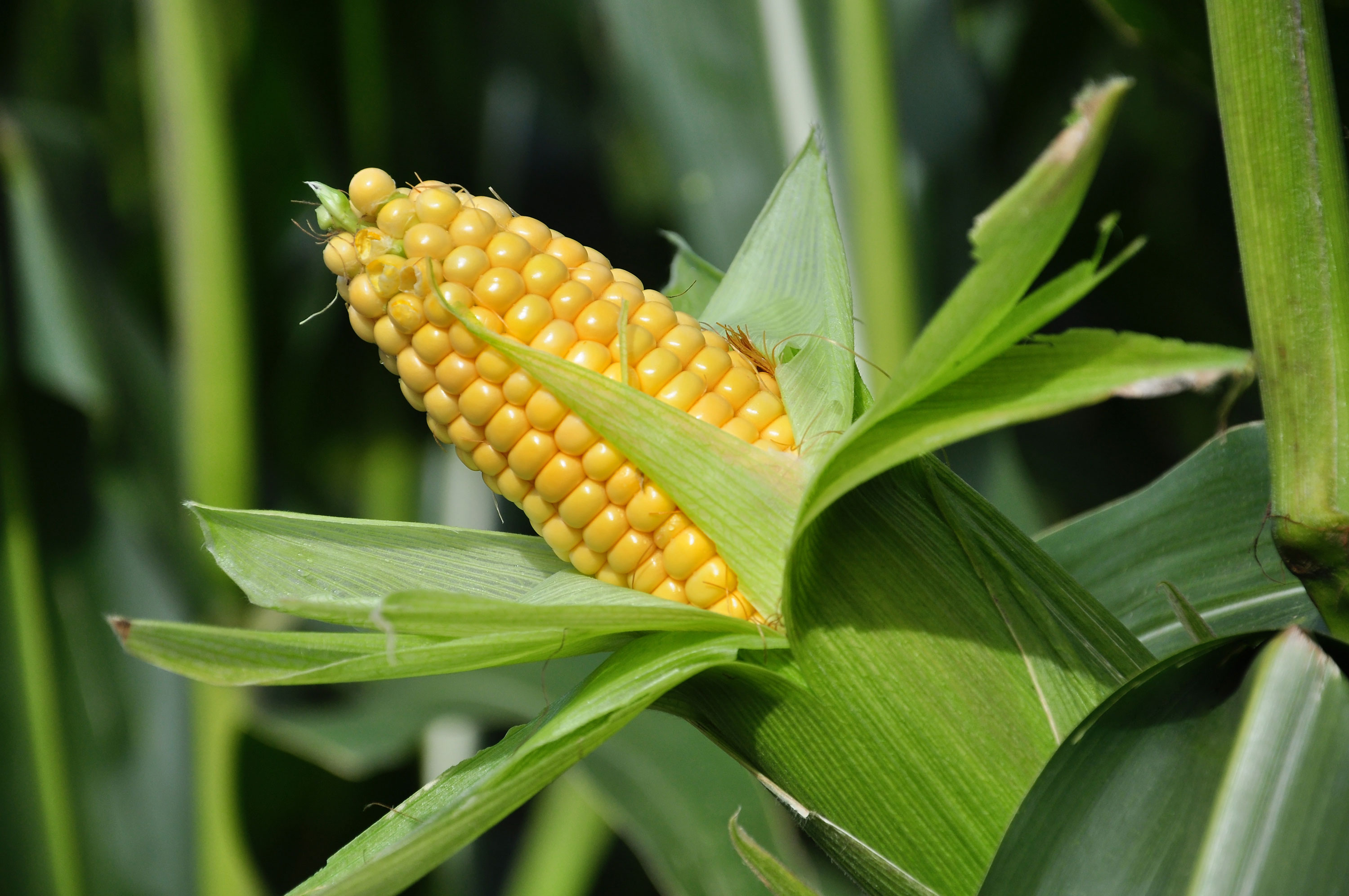
During a webinar hosted by the Council for Agricultural Science and Technology (CAST), Linda Prokopy, project lead with the University of Vermont, says decades of subsidizing commodities like corn and soybeans has severely limited producers’ ability to diversify.
“We wanted to look at the possibility of growing more to help farmers, to help communities, to help the land be more sustainable and resilient.” She says, “Because as we know, commodity production has become risky.”
Lauren Asprooth (ASP-ruth), with the University of Wisconsin-Madison and co-author of a new policy brief entitled, Diversifying the Corn Belt: Policy Pathways for a Resilient Agricultural Future, says availability of crop insurance programs play a big role in determining what farmers plant.
“Those sort of canned individual policies tend to be available only for those crops that are most commonly grown in the county,” she says.
Asprooth says a new farm bill could be an ideal vehicle for change.
“Shifting crop insurance to support different kinds of production practices, especially crops that can be grown for food, can be really beneficial and start to produce the supply that’s needed to be able to get those supply chains going,” she says.
Prokopy says the project shows that diversification is needed at the farm, state, and federal level to help strengthen rural communities and the nation’s food supply.
Source - https://www.brownfieldagnews.com