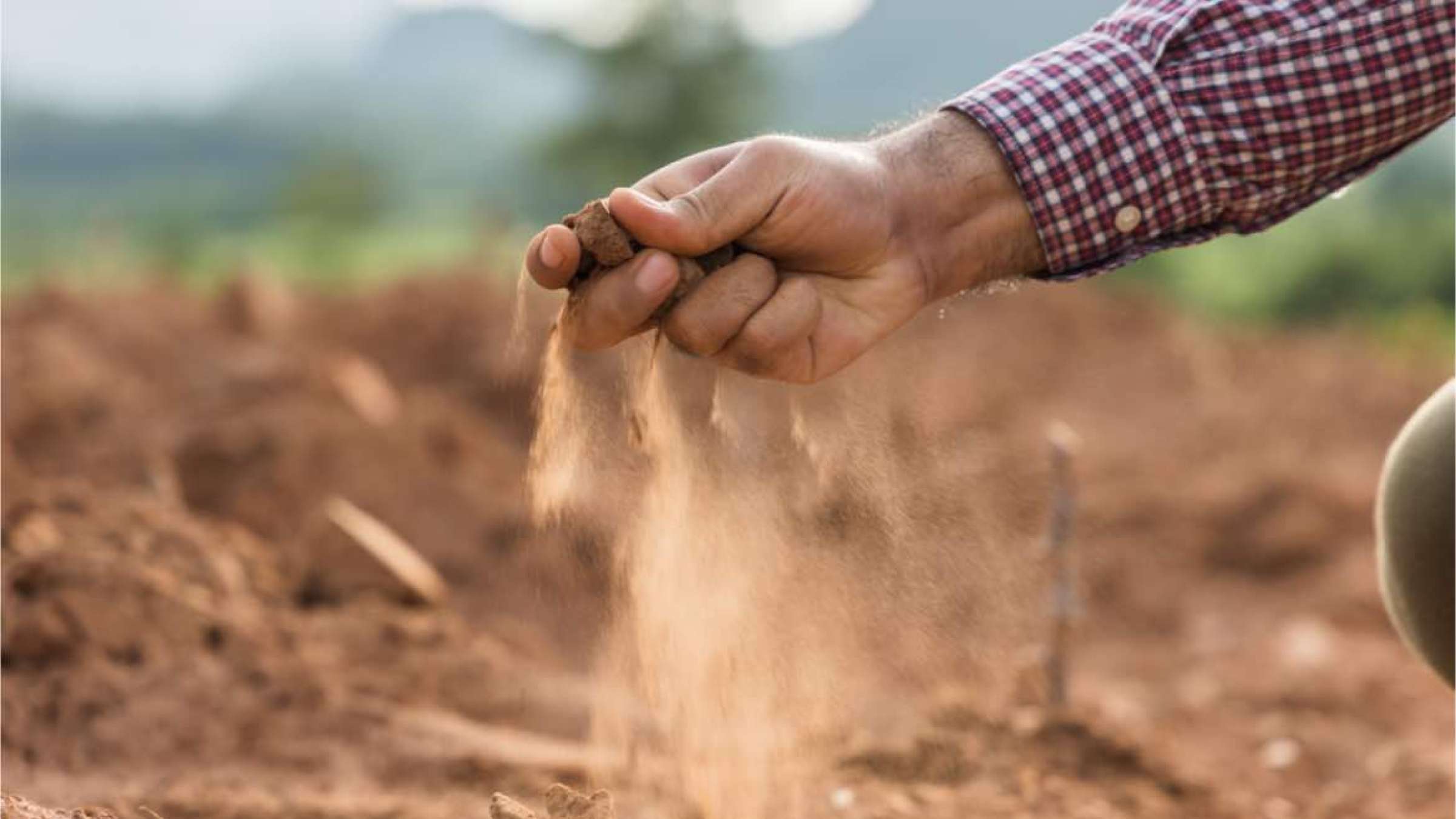
Consistently dry weather across Illinois in October sped up harvest progress but slowed down fall fieldwork.
“This is definitely the driest fall I can ever remember,” said Todd Easton, FarmWeek CropWatcher from Coles County.
The dry spell allowed for uninterrupted harvest time on most farms. USDA reported 87% of corn and 90% of soybeans were harvested as of Oct. 27, both at least 10 percentage points ahead of the five-year average pace. Wheat planting was also near completion at 85%, with 55% of the crop emerged, also ahead of average.
But the lack of rain created challenges for fall fieldwork once combines finished up.
As of Oct. 27, USDA rated Illinois topsoil moisture at just 20% adequate, 52% short and 28% very short, while subsoil moisture was pegged at 24% adequate, 52% short and 24% very short.
The Oct. 31 update of the U.S. Drought Monitor showed the entire state in a stage of drought. Counties in the southern third were considered abnormally dry. Most counties from Interstate 70 on north were in the moderate drought category, with 22% of the state in severe drought.
Ryan Gentle, agronomy manager for Wyffels Hybrids, said the ground is too hard for some tillage tools.
“We tried doing some vertical till last week and you can’t even get the machine to go into the ground,” he told FarmWeek.
Gentle saw some disk ripping and farmers with newer rippers that have rolling baskets were getting through the fields, though.
“But if you have an older tool and it’s leaving clods the size of pool tables, it seems like, that’s going to be a big challenge next spring,” he said. “And they may end up having to hit some of this ground twice if we don’t get rain this winter to melt those clods down.”
Gentle said the heat and dry conditions have both delayed anhydrous ammonia applications.
In Illinois, the soil temperature needs to be 50 degrees and trending down before anhydrous can be applied effectively.
“I just looked (on Oct. 30) at the soil temperatures for Peoria and the coldest we’ve been here all fall was 53 degrees at 4 inches,” he said. “Today it is 67 degrees at 4 inches, so it is way too hot to be putting anhydrous on,” Gentle noted.
He said the dry ground is also hard on equipment and prevents the application from sealing.
“Walk out behind the rig and if you can smell anhydrous two or three minutes later, you’re losing a lot of it,” Gentle explained. “You need water in the soil to help capture that ammonia, so I would hold off on those applications until we cool down and get some moisture in the soil.”
Field fires have been another hazard of October weather. Strong winds and low humidity have fueled fires in different regions of the state. Heavy smoke from an Oct. 29 field fire in Iroquois County limited visibility on Interstate 74, causing traffic to be re-routed.
Mother Nature finally provided some relief in the final days of the month. A storm system swept over the majority of the state dropping up to 2 inches of rain in some locations as the calendar flipped to Halloween, with more rainfall possibly on the way this week.
Gentle said once that soaks into the soil it should open a window for tillage to resume, but warm temperatures will hold the pause button on anhydrous application for a while longer.
“When you look at the forecast, there are still some pretty warm days coming,” he said.
And while the rain was a welcome sight, Gentle said there is still some catching up to do, especially since many areas received less than an inch.
“We’re at the point it’s going to take a lot more than two or three inches to solve any kind of drought situation we’re in right now,” he added.
Source - https://www.farmweeknow.com