Congress is weighing another $11.1 billion in farm aid, but payments may slip into 2027 as producers face rising debt, diesel costs and tighter margins.
Congress entered the final stretch of September 2026 without a clear path for $11.1 billion in additional economic assistance for farmers, as agricultural lawmakers push to attach the funding to a forthcoming spending package. Even if lawmakers secure approval, payments could be delayed until spring 2027. The timing matters because harvest is colliding with unusually high fuel expenses, rising production costs, weaker margins for several major crops and farm-sector debt that USDA expects to surpass $600 billion, increasing pressure on producers who will soon need financing for the next crop year.
Agriculture-focused Republicans have been searching for a legislative vehicle capable of moving the additional assistance through Congress, with a defense spending package emerging as one possibility. Senate Agriculture Committee Chairman John Boozman and other lawmakers from agricultural states have argued that additional support remains necessary. But the approaching November midterm elections complicate the congressional calendar. For producers, the central question is increasingly not only whether Washington approves another round of assistance, but whether that money reaches farms before operating loans, land rents and 2027 input purchases come due.
$55 Billion in Government Support Meets a Farm Economy Under Uneven Financial Pressure
The debate can be confusing because another major agricultural assistance package is already part of the 2026 farm economy. USDA established $12 billion in bridge assistance, including up to $11 billion through the Farmer Bridge Assistance Program for eligible row crop producers and another $1 billion for other commodities. That support primarily addresses economic losses associated with the 2025 crop year and should not be confused with the additional $11.1 billion currently being considered in Washington to address pressures affecting producers in 2026.
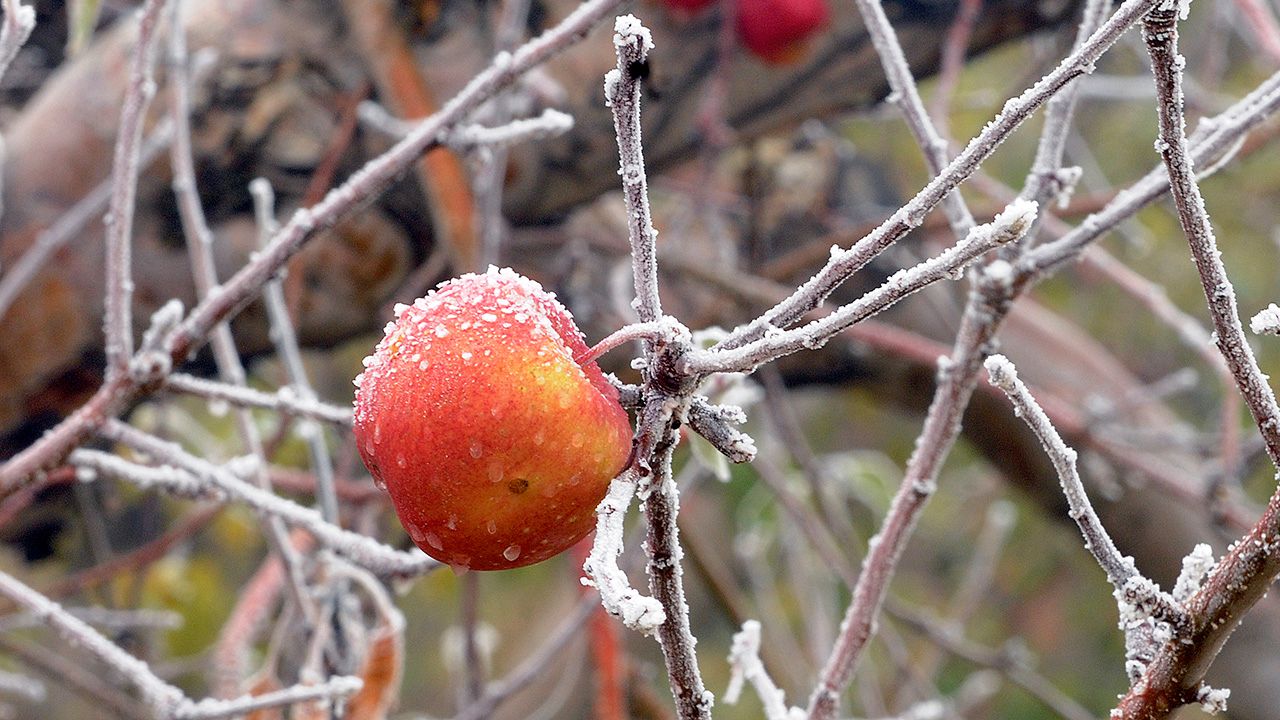
The new proposal calls for approximately $10 billion in temporary economic assistance for row crop and specialty crop producers, plus another $1.1 billion for agricultural losses tied to winter weather in Florida. If Congress approves the measure, it would add another layer to an already historically large level of federal support. USDA currently projects $44.3 billion in direct government farm payments in 2026, up roughly $13.8 billion, or 45.2%, from 2025. Adding the proposed assistance would push the broader figure associated with government support toward $55 billion.
That scale of assistance is fueling a larger debate over the role of federal payments in farm income. Agricultural programs have historically been designed as countercyclical tools, providing support when commodity prices decline, natural disasters strike or trade flows are disrupted. But repeated emergency programs layered on top of crop insurance and traditional Farm Bill safety-net programs are raising questions about whether temporary assistance is becoming more structural. Some agricultural economists warn that repeated payments can also weaken market signals that would otherwise encourage production adjustments when commodity supplies are high and prices remain depressed.
The overall farm economy, however, requires important context. USDA's Economic Research Service projects net farm income at $158.4 billion in 2026, down 2.6% in nominal terms from 2025 and 5.5% after adjusting for inflation. Even after that decline, real net farm income would remain above its 20-year average. That means the sector is not experiencing uniform financial distress. Pressure is increasingly concentrated among particular crop producers, highly leveraged operations and farms with significant exposure to rented land, operating credit and commodities facing weak margins.
Production expenses are adding to that pressure. USDA forecasts total farm production expenses at approximately $492.8 billion in 2026, an increase of about $21.2 billion from the previous year. Fuel, fertilizer, interest, machinery, seed, labor and other input costs continue to squeeze working capital. The situation becomes particularly important during harvest, when fuel consumption, grain handling, drying and transportation needs increase. For farms operating on narrow margins, relatively small movements in commodity prices or input costs can determine whether enough cash remains to cover rent, service debt and finance the following crop.
Diesel has emerged as an especially significant expense. Energy Information Administration data showed the national average price at approximately $6.38 per gallon on September 28, compared with about $5.60 four weeks earlier. In the Midwest, home to much of the country's corn and soybean production, diesel reached roughly $6.53 per gallon. The impact extends beyond tractors and combines to grain transportation, drying, freight and the broader agricultural supply chain, reinforcing arguments from farm groups and lawmakers that another bridge payment arriving months after harvest may provide relief only after critical financial decisions have already been made.
Debt represents another important piece of the story. USDA projects total farm-sector debt will reach approximately $605.1 billion in 2026, an increase of about 4.6% from the previous year. The sector's debt-to-asset ratio is forecast to rise from 13.34% to 13.54%. Those figures do not by themselves indicate a systemic farm financial crisis, but their importance grows when combined with higher interest expenses, weaker crop margins and refinancing needs. Farmers with limited liquidity, significant rented acreage or heavy dependence on operating loans are particularly exposed as lenders evaluate credit for the 2027 production season.
Regional Federal Reserve surveys are already detecting some deterioration. The Federal Reserve Bank of Kansas City reported continued tightening in agricultural credit conditions during the second quarter, including greater collateral requirements and particular weakness among smaller operations and farms heavily dependent on rented ground. At the same time, overall financial stress remained relatively modest. The Chicago Fed reported that 3.7% of farm loans in its district had "major" or "severe" repayment problems, compared with 2.9% a year earlier, while renewals and extensions of agricultural loans also increased.
Bankruptcy data provide another indication of stress at the most vulnerable end of the sector. An analysis from Texas A&M's Agricultural and Food Policy Center identified at least 208 agricultural bankruptcies during the first half of 2026, including 177 Chapter 12 cases and 31 Chapter 11 filings. Under the center's methodology, the six-month total was already equivalent to about 61% of all cases recorded in 2025. The figures do not point to an industrywide collapse, but they illustrate why the timing of government assistance can become critical for farms already approaching financial limits.
China, Canada and the Farm Bill Add Pressure to Washington's Agricultural Calendar
Trade uncertainty is creating another layer of risk. China moved to reduce tariffs on a range of American agricultural products but left soybeans outside the latest round of reductions, keeping a 10% tariff in place. The exclusion is particularly important for soybean growers because American supplies continue to compete with Brazil and Argentina for Chinese demand. Large Chinese inventories, weak crushing margins and competitive South American prices are limiting expectations that soybean exports alone can quickly restore profitability for producers facing difficult margins at home.
The stakes are substantial across the Corn Belt. Corn and soybeans remain two pillars of American crop agriculture and together generated approximately $104.1 billion, or 43.7%, of U.S. crop cash receipts in 2025, according to USDA data. Disruptions or reduced access to major export destinations can quickly filter back into domestic cash prices, storage decisions and acreage planning. For farmers, the debate over government assistance is therefore inseparable from trade policy, commodity markets and competition from South American exporters.
Canada adds another element of uncertainty. Ottawa implemented retaliatory tariffs in September covering billions of dollars in American imports in response to trade measures imposed by Washington, with agricultural products and equipment among the affected categories. The dispute matters because agricultural supply chains across the two countries are deeply integrated. New tariffs can affect equipment, input costs, commodity flows and investment decisions at precisely the moment farmers and agribusinesses are establishing budgets and purchasing plans for the next production cycle.
Meanwhile, Congress is also attempting to determine the longer-term direction of agricultural policy. The Senate Agriculture Committee advanced the Agricultural Act of 2026 in September, adding another major negotiation to an already crowded legislative calendar. The Farm Bill debate covers commodity programs, conservation, crop insurance, agricultural credit, nutrition and other core elements of the farm safety net. That distinction is crucial: emergency payments are designed as a temporary bridge, while the Farm Bill establishes many of the permanent rules governing how producers manage price, production and financial risk.
Washington is therefore operating on two very different clocks. One is political, shaped by the November 2026 midterm elections, congressional negotiations and the search for a legislative vehicle capable of carrying another farm aid package. The other is moving much faster across farms and rural banks: harvest bills, loan maturities, cash rents, equipment payments, operating credit renewals and preparations for the 2027 crop. An aid package approved in Washington can have a very different impact if the money arrives only after a producer has been forced to restructure debt, reduce acreage, sell assets or exit farming.
The fight over the additional $11.1 billion ultimately highlights a central contradiction facing agriculture in 2026. The sector retains substantial asset values and aggregate net farm income remains historically strong, yet a segment of producers is simultaneously confronting higher production costs, expensive fuel, rising debt, tighter agricultural credit and uncertain export markets. The question facing policymakers is no longer simply whether another farm aid package will be approved, but how quickly assistance can reach financially exposed producers and how emergency payments will fit alongside crop insurance, commodity programs and the next Farm Bill.
Source - https://www.agrolatam.com