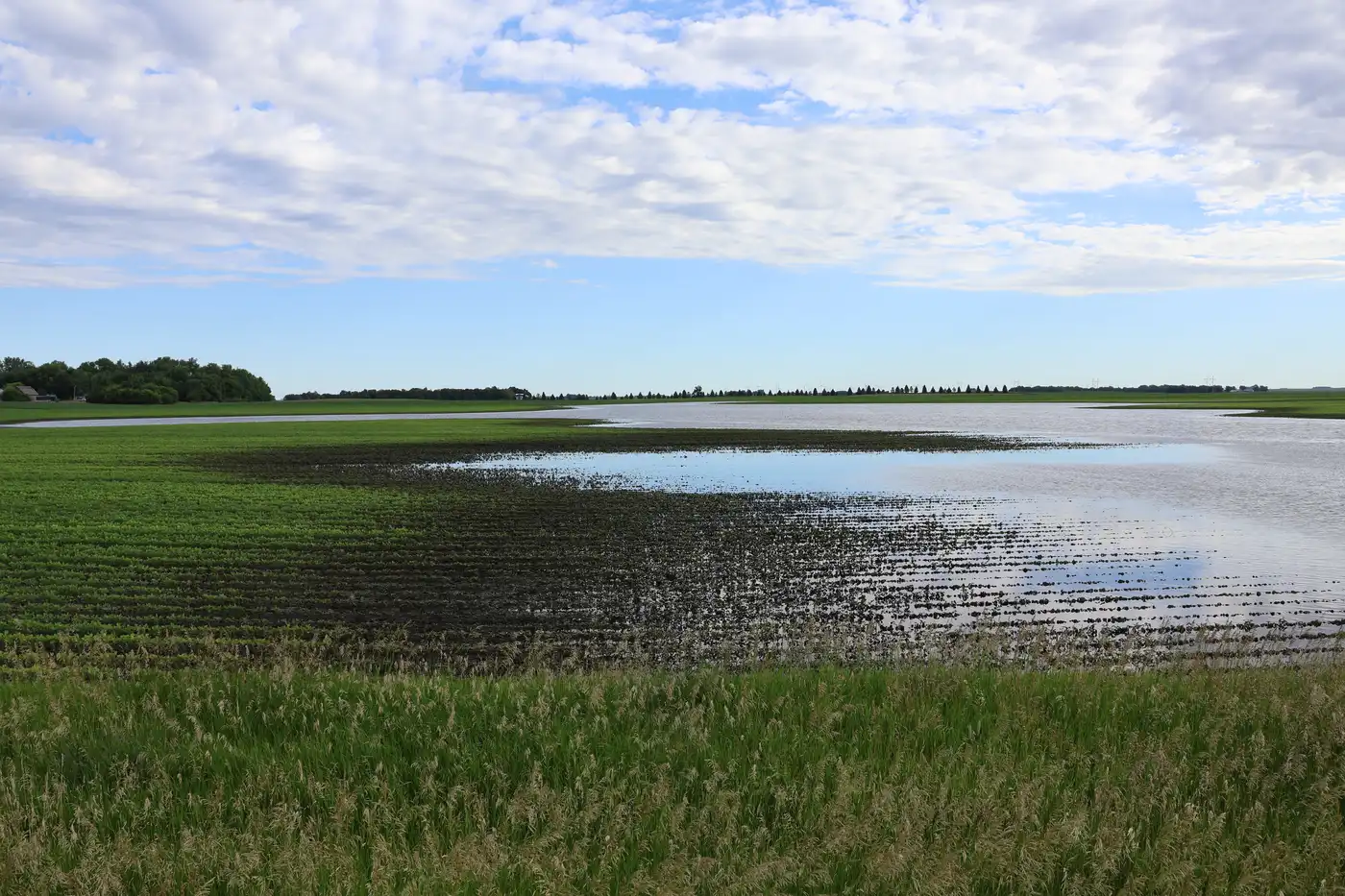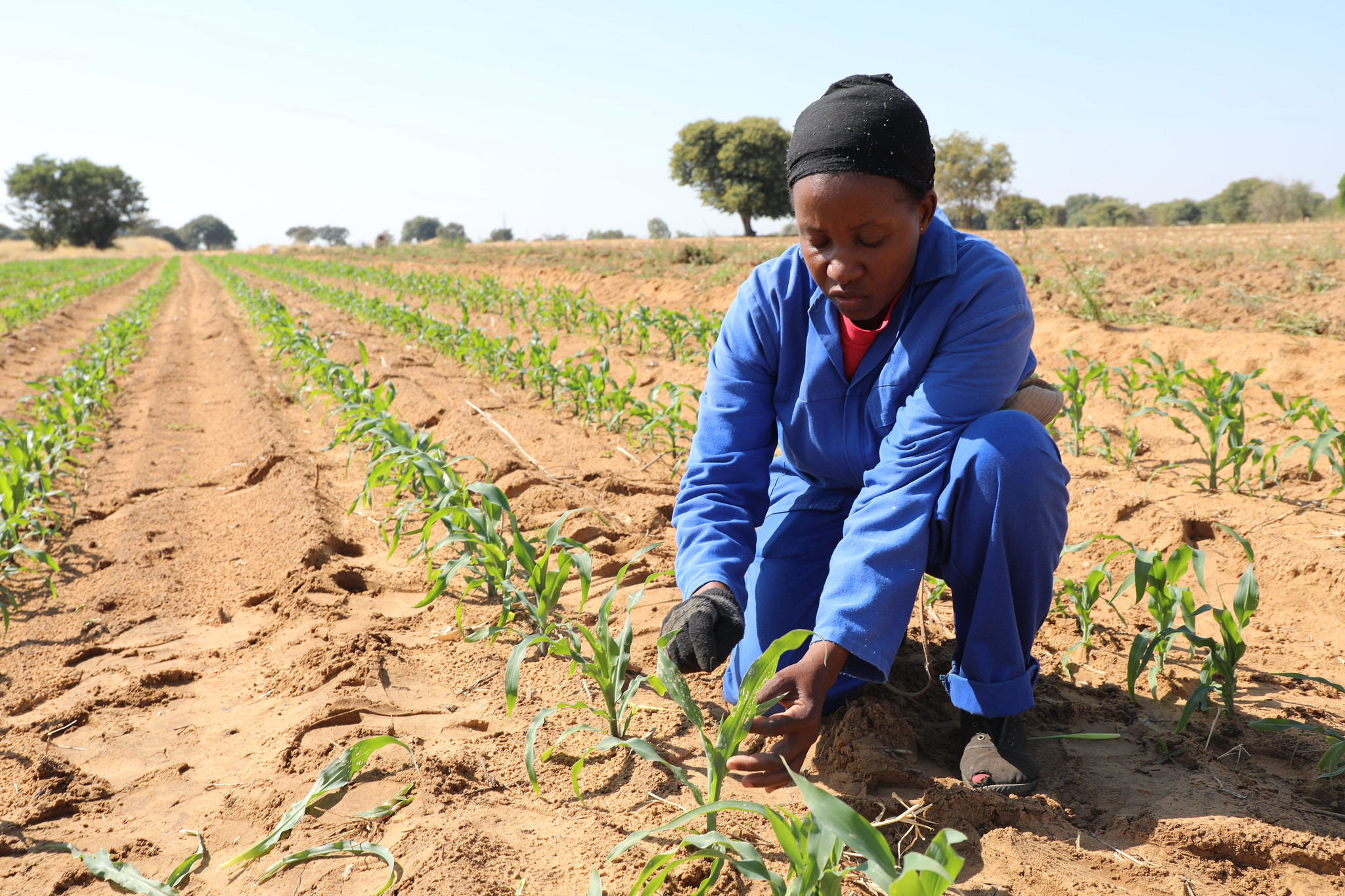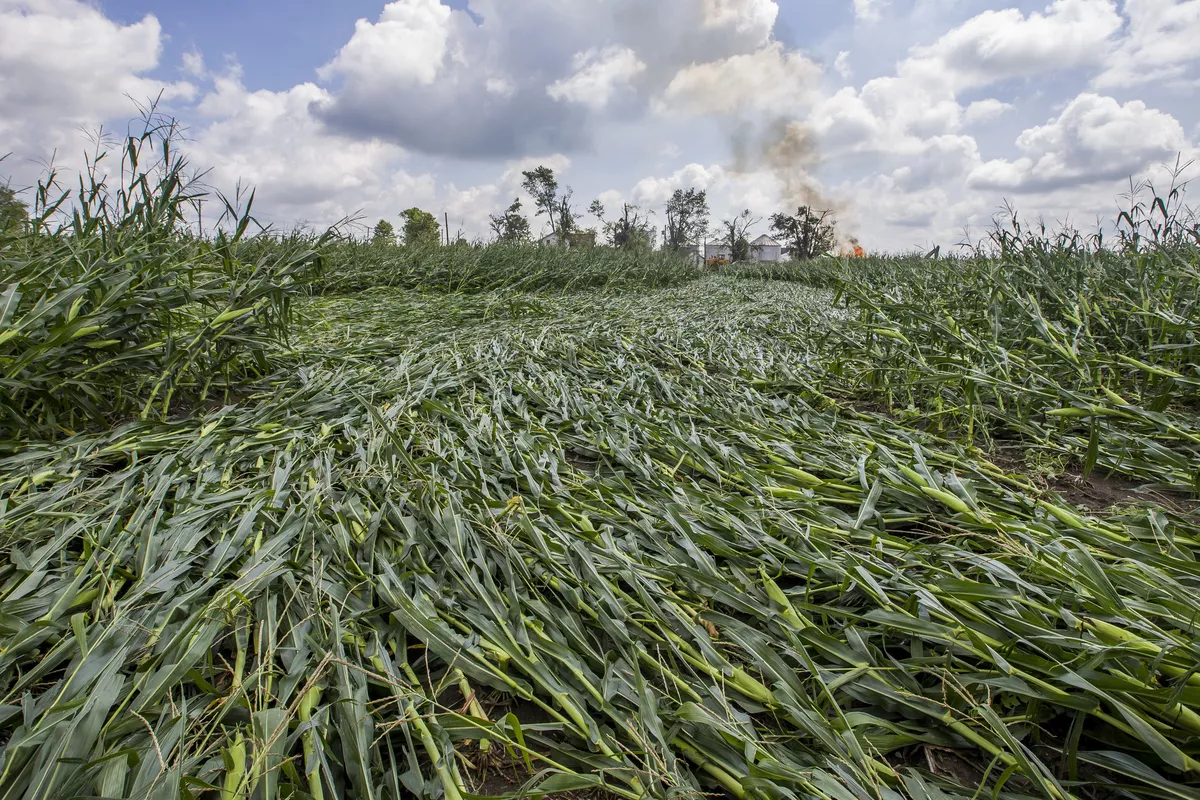
As the climate crisis accelerates, wreaking havoc on weather patterns across the U.S., crop insurance costs are shooting up, a new Environmental Working Group analysis finds.
Indemnities, paid to farmers for reductions in crop yield or revenue, reached a record $19.13 billion in 2022 – a massive increase from the $2.96 billion doled out in 2001. Many of these payments were made for weather-related losses, indisputably linking rising crop insurance costs to climate change.
“Our analysis showed that the costs of the Crop Insurance Program have spiraled, in large part because of increasingly extreme weather tied to the climate emergency,” said EWG Midwest director Anne Schechinger, an agricultural economist who authored the report. “Over the past 22 years, taxpayers have largely shouldered the monumental expenses of a program that does little to help farmers adapt to climate change.”
Despite its astronomical costs, the federal Crop Insurance Program benefits only about 20 percent of all U.S. farms – mostly larger operations growing just a few crops in a handful of states, not smaller farms that may be struggling without a safety net.
EWG researchers revealed that about two-thirds of crop insurance payments went to farmers in just 10 states: California, Illinois, Iowa, Kansas, Minnesota, Missouri, Nebraska, North Dakota, South Dakota and Texas. These growers received over $104.6 billion in indemnities between 2001 and 2022 – 65 percent of all those paid. And farmers in just three states – Kansas, North Dakota and Texas – got $48.2 billion, 30 percent of all payments nationwide.
During the period EWG analyzed, three-fourths of all indemnity payments nationally went to farms growing one or more of just four crops: corn, soybeans, wheat and cotton. These farmers received $121.3 billion in indemnities. And over $55.6 billion of total payments, or 34 percent, went to corn growers alone.
As extreme weather linked to the climate crisis increases everywhere, without intervention from Congress, the Crop Insurance Program will continue to get more expensive for both farmers and taxpayers.
Currently, the program discourages climate adaptation, as EWG has shown. Reforming crop insurance to encourage farmers to adapt to the changing climate will help make them more resilient to increasingly chaotic and destructive weather, cut costs and reduce agriculture’s contributions to the climate crisis – which account for at least 11 percent of U.S. emissions.
“Without meaningful reform, the federal Crop Insurance Program will become unsustainably expensive for both farmers and taxpayers,” Schechinger said. “The 2023 Farm Bill provides a critical opportunity for Congress to update the program by cutting rapidly climbing costs, spurring growers to adapt to the climate emergency and better protecting small farmers.”
Lawmakers have many options for undertaking such reforms in the farm bill, including reducing premium subsidies for farming on high-risk land and cutting payments to crop insurance companies and insurance agents.
For its analysis, EWG examined data from the Department of Agriculture’s Risk Management Agency, which administers the federal Crop Insurance Program.
Source - https://www.ewg.org