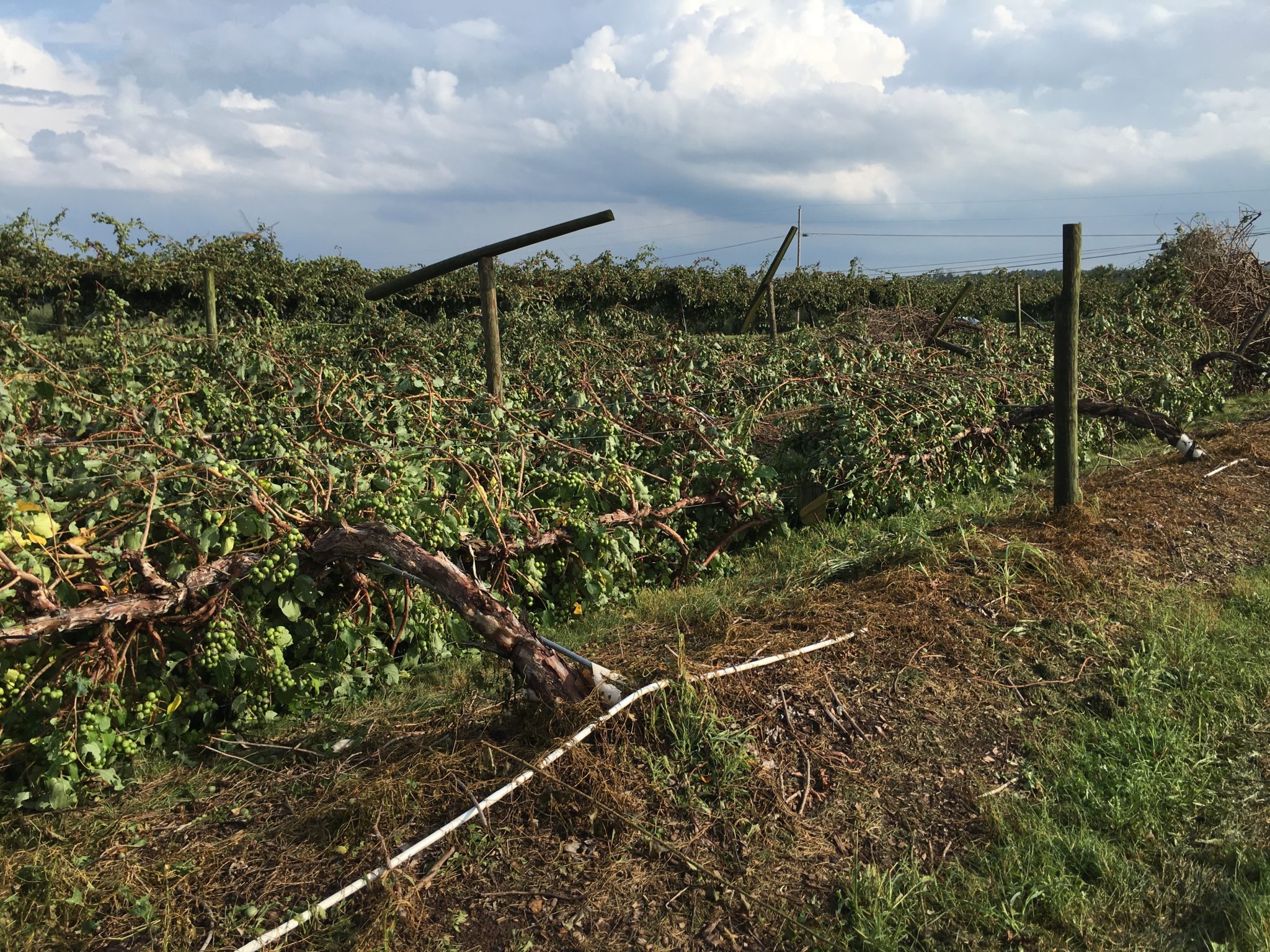
Milton threatens to inflict wind damage in the northern two-thirds of Florida’s citrus belt this week, according to Commodity Weather Group. Orange juice futures rose up to 4.3% on Monday due to the threat to Florida’s citrus industry.
Milton strengthened into a Category 5 hurricane on a path toward Florida, with Governor Ron DeSantis declaring an emergency and millions of residents ordered to evacuate.
“Unless we get extremely lucky, Milton will be one of the biggest hurricane disasters in history,” leading Fox Weather hurricane meteorologist Bryan Norcross predicted Monday, shortly after the hurricane was upgraded to a Category 5 storm with winds of 180 mph.
Milton is forecast to make landfall on Florida’s west coast on Wednesday, likely between 6 PM and midnight. The center of the cone is near Tampa, but there is still uncertainty in the exact track. Norcross said it is too early to call where the storm will hit when it makes landfall Wednesday, but that if it follows the current trajectory and strikes Tampa Bay directly the city “will go underwater.” Meanwhile, Tampa’s mayor issued a dire warning before Hurricane Milton: “If you choose to stay … you are going to die.”
A forecast from the National Hurricane Center predicted storm surge for Tampa Bay could hit up to 15 feet. The storm is expected to cross the Florida peninsula and move into the Atlantic Ocean afterwards. There is an increased risk of tornadoes, with 11 million people under threat of tropical tornadoes on Tuesday and Wednesday.
Hurricane Milton is threatening to be one of the largest ever hurricanes with wind gusts already topping 200 miles per hour — leading to calls for a new Category 6 designation for such an intense superstorm. “This is nothing short of astronomical,” Florida meteorologist Noah Bergren said late Monday as Milton reached sustained winds of 180 mph and “gusts 200+ mph.” “I am at a loss for words to meteorologically describe to you the storm’s small eye and intensity,” he marveled. “This hurricane is nearing the mathematical limit of what Earth’s atmosphere over this ocean water can produce.”
Milton threatens to inflict wind damage in the northern two-thirds of Florida’s citrus belt this week, according to Commodity Weather Group. Orange juice futures rose up to 4.3% on Monday due to the threat to Florida’s citrus industry. U.S. natural gas futures fell over 4% in anticipation of reduced demand if power outages occur. Various events have been cancelled, including a championship ring ceremony for the Florida Panthers hockey team.
Citrus producers are urged to keep accurate records to document any damage or loss, including dated photos1. It’s critical for growers to report farm damage to their local USDA Service Center before starting any cleanup or repair activities. This documentation is essential for potential financial assistance from USDA.
The Florida Department of Transportation (FDOT) has suspended size and weight restrictions for vehicles transporting emergency equipment, services, supplies, and agricultural commodities, including citrus. This emergency measure allows these vehicles to travel at all hours and is set to expire on Oct. 21 or upon rescission of the executive orders.
Hurricane season generally lasts through November.
Of note: New estimates reveal Hurricane Helene caused more than $47 billion in losses for property owners. The price tag for climate-related disasters is growing. Last year, storms in the U.S. caused $93.1 billion in damages, according to the National Oceanic and Atmospheric Administration. Their cumulative toll, dating to 1980, now stands at $2.6 trillion.
Source - https://www.agweb.com