On the eve of May 18, UConn Extension educator Evan Lentz ’19, ‘22 (CAHNR) in the College of Agriculture, Health and Natural Resources nervously looked at the forecast. An expert in fruit production and integrated pest management, Lentz was concerned about predictions of temperatures in the low 30s, which could spell trouble for fruit crops across the state. When he woke the next day, he discovered temperatures had actually dropped even lower than predicted – into the 20s for more than five hours overnight.
Farmers began reaching out to Lentz with news that their crops were damaged by this late-season frost. He went to evaluate the losses.
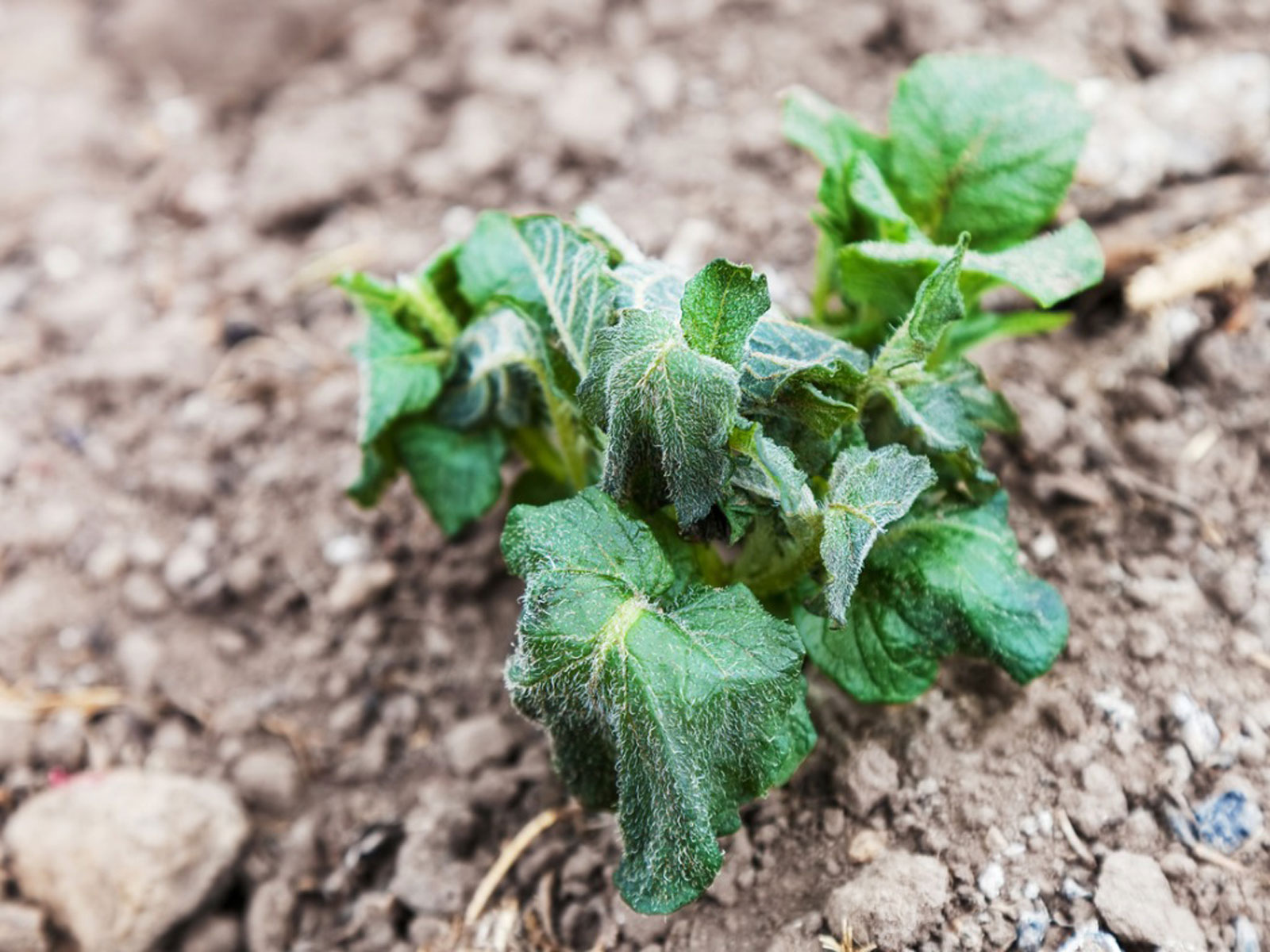
“It was a very scary day walking through some of those orchards, seeing the crop loss. Everything was black and brown and shriveled,” says Lentz.
Lentz immediately began collecting information about the percentage of crops lost, the number of acres affected, and the projected loss of revenue for each farm.
Lentz soon realized this approach would be too cumbersome given how widespread the damage was. He worked with the U.S. Department of Agriculture Farm Service Agency and Connecticut Department of Agriculture to develop a self-report survey. Lentz distributed this survey to farmers alongside recommendations for immediate steps they could take, informed in collaboration with other experts in the region where fruit crops were also impacted.
Based on responses from 25 farmers as of May 31, the estimated combined loss in revenue for these Connecticut fruit farmers from the February deep freeze is $1.7 million and $2.8 million from the May frost. This estimate will only grow as responses from the rest of the approximately 150 farms in the state come in.
The Cost of Frost
In May, many fruit plants are in bloom. These blooms are extremely delicate, and an unexpected frost can easily damage them, killing off what would become fruit later in the season.
Thanks to an unusually warm week in February, plants started blooming two or three weeks earlier than normal this year, meaning more blooms, and even young fruits, were endangered by the frost.
Farmers suffered damage to their apple, pear, raspberry, blueberry, strawberry, grape and other fruit crops.
“There is a high degree of damage distributed across the state and across all commodities,” Lentz says.
The degree of damage farms across the state suffered is highly individual, Lentz explains. Some farmers saw entire crops wiped out, some lost only certain varieties of a crop, while others had individual bushes where next to a frost-damaged bloom, there was a perfectly healthy one.
“There wasn’t really rhyme or reason for what got affected and what didn’t,” Lentz says.
Damage from the May frost was also exacerbated by the fact that there was another deep freeze the first week of February which hit Connecticut peach trees particularly hard.
“You combine that with this frost and it’s a one two punch,” Lentz says.
Lentz worked with the Connecticut Commissioner of Agriculture Bryan P. Hurlburt on an agricultural disaster declaration, which was officially requested by Governor Ned Lamont at the end of May. This declaration would open the availability of low-interest U.S. Department of Agriculture Farm Service Agency emergency loans for eligible producers in the approved counties.
“The disaster declaration request is the first step in assisting our agricultural producers as they navigate the impacts of the May 18 frost,” says Hurlburt. “For many farm businesses the timing of this weather event has severely damaged multiple crops right as they were beginning to bloom. Our fruit growers were particularly hard hit.”
This aid will be critical for farmers as they still need to pay for the operating costs of the farms, like pest management, pruning, and other management practices with a significant loss in revenue.
“The problem with perennial fruit crops is that even if you don’t have a crop on the tree that year, you still need to take care of that tree,” Lentz says.
Lentz says he cannot recall a frost this severe this late in the season within his lifetime. Such unpredictable weather patterns are becoming more common with climate change.
“Farming is an inherently risky business in and of itself,” Lentz says. “There are so many uncontrollable factors, weather being number one.”
Summer Support for Connecticut Agriculture
As we move into the summer, these frost events will impact the availability of fresh, local produce in Connecticut.
However, the farmers are working to find ways to continue providing food for their local communities, including agritourism options like farm tours, wineries, and creameries.
“They’re still there, they’re still bringing services and food to offer,” Lentz says. “They will do what they can to pivot and still provide service to their communities. And they’re going to be looking to people to show their support for Connecticut agriculture.”
Source - https://today.uconn.edu