First-of-its-kind insurance product aims to lower costs and promote farm resiliency
The Michigan Department of Agriculture and Rural Development (MDARD) and its partners today announced a groundbreaking NextGen Crop Insurance pilot that gives farmers greater choice and flexibility in their coverage options when they implement regenerative practices that improve soil health.
“Too often, crop insurance programs don’t give farmers credit for practices that improve soil health and reduce the risk of crop loss,” said MDARD Director Tim Boring. “NextGen Crop Insurance gives farmers a pricing option that reflects the work they’re doing to build healthier soils and ensure a more resilient and prosperous future for Michigan agriculture. If auto insurance companies can offer drivers safe driving discounts, shouldn’t crop insurance offer farmers safe farming discounts?”
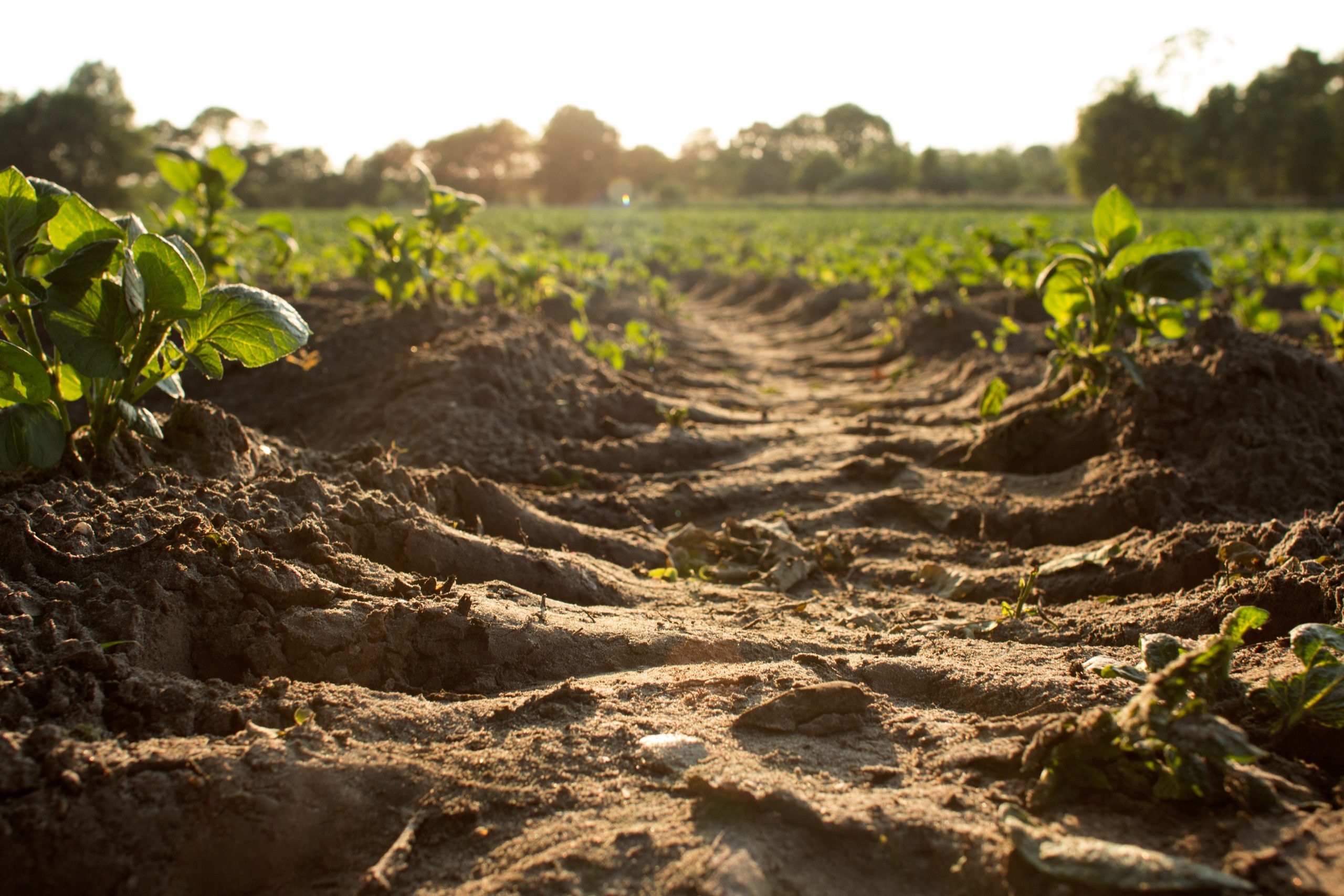
Research shows that using cover crops, diversifying crop rotations, reducing tillage and other practices that boost soil health can improve farm resiliency and profitability over time. Unlike traditional crop insurance, the NextGen pilot offers premiums that reflect the lower long-term risk associated with these practices.
“The current crop insurance system is based on a 10-year look-back that doesn’t recognize steps farmers are taking to improve soil health,” said Tina Owens, who heads the Resilience in Agriculture Lending and Insurance Coalition (RALIC) that is leading the NextGen pilot. “NextGen Crop Insurance is the first real test of pricing that reflects changes in soil health, and it’s the blueprint for how insurers, lenders and investors will price risk in the future.”
NextGen Crop Insurance was developed to benefit farmers by:
- Granting greater choice and flexibility in pricing and coverage options through the pilot’s captive insurance program.
- Creating the opportunity to receive a dividend after remaining enrolled in the program for at least four years.
- Potentially lowering insurance premiums when soil health practices reduce the risk of crop loss.
- Enabling farmers to keep their existing federal crop insurance and their current insurance agent, while receiving supplemental support as they transition to regenerative practices that improve soil health.
"Current crop insurance coverage has yet to take farms like mine into account," said Don Morse of Morse Farms, who farms over 3,000 acres of corn and soybeans in the Saginaw Bay Watershed. "After decades of practicing soil health, I am looking forward to seeing how my ongoing crop insurance costs will be positively impacted by enrolling in this program. Rewarding resilient farming practices is a positive step for agriculture."
MDARD fueled the development of the NextGen Crop Insurance pilot through a $480,900 grant to EarthShare, the fiscal sponsor of RALIC. The grant funding is supporting a pilot project that includes:
- An assessment that uses data from corn and soybean growers in Huron, Saginaw, and Sanilac counties to develop insurance rates that better reflect the reduced risk associated with adopting regenerative practices that improve soil health.
- The creation of a captive insurance entity that grants farmers more control over how coverage is designed and priced and that enables farmers to pool resources to achieve cost savings.
The RALIC pilot is designed to grow beyond Michigan. As more data becomes available through the pilot, RALIC plans to expand the NextGen Crop Insurance pilot to additional states and crops.
“The same practices that can strengthen on-farm resiliency are increasingly the practices that create value in tomorrow’s marketplace,” said Kristin Poley, director of research for Corn Marketing Program of Michigan and an advisory board member for the initiative. “This initiative helps farmers manage risk today while positioning their crop to compete for emerging domestic and export markets.”
Farmers who are interested in the new insurance model can visit the NextGen Crop Insurance web page for more information. Corn and soybean producers in Huron, Saginaw, Sanilac and Tuscola counties who use cover crops, crop rotation and no/low till can participate in the program in the 2027 crop year.
RALIC is a coalition led by Transformational Investing in Food Systems (TIFS). Additional RALIC partners include the non-profit insurance provider A3, The Nature Conservancy Michigan and the Michigan Association of Conservation Districts. Aon’s Agriculture Resilience Center is supporting the pilot with risk analytics, insurance design and technical expertise.
The NextGen Crop Insurance pilot is supported through grant funding from MDARD’s Regenerative Agriculture Program. Among other actions, the program has launched a free soil health assessment program for farmers, launched grant programs to promote regenerative agriculture education and implementation, and established a training farm for veterans.
Source - https://www.michigan.gov