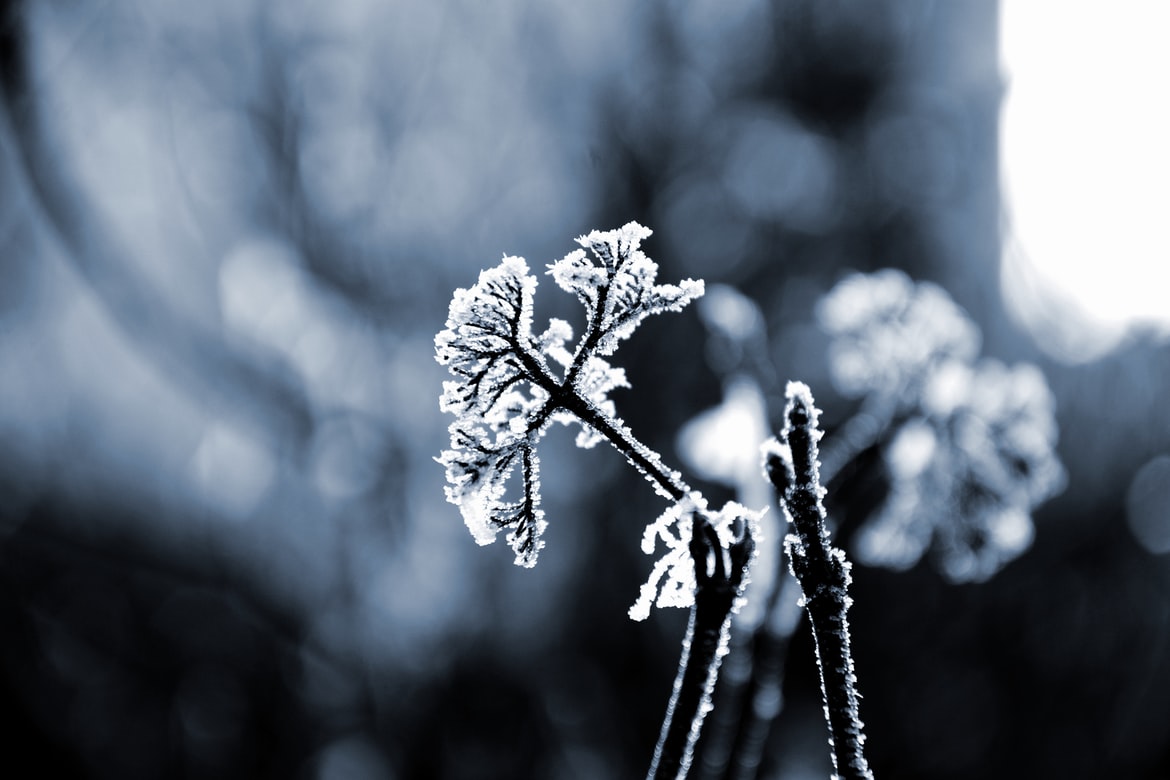
Experts with the University of Arkansas System Division of Agriculture are advising floriculture and specialty crop producers to prepare for freezing temperatures toward the end of the week.
The National Weather Service issued a freeze warning last week for the state’s four northwesternmost counties, as well as a frost advisory for surrounding counties in Arkansas and Oklahoma. Temperatures briefly fell to 32 degrees Fahrenheit Friday night.
While temperatures returned to more moderate levels Saturday afternoon and Sunday for much of the state, forecast modeling projects that cooler air will arrive across Arkansas by this Thursday. Probabilities of freezing throughout Arkansas range from about 20 percent in the southwest to greater than 60 percent in the northwest.
Anthony Bowden, extension ornamental horticulture expert for the Division of Agriculture, warned residents with potted house plants or citrus should bring them inside.
“A lot of people will put their house plants outside,” Bowden said. “Plants such as monsteras and philodendrons, those definitely will not weather a freeze. Container-grown citrus — lemons, for example — you definitely want to bring those in. They won’t handle the cold at all. They’ll more than likely die back if you leave them outside for long periods.”
Bowden said that landscape ornamental plants that are established, however, will likely survive a short-term freeze event.
“With all the rain we’ve had in the past several weeks, those plants are going to be healthy and hydrated,” he said. “If this were October, and we got our first freeze in the middle of a drought, the conversation would be totally different. But this good, soaking rain we’ve been getting is good for these plants.”
Bowden said that if an ornamental landscape plant has been recently planted, growers should cover it with a bedsheet or similar barrier to keep frost from forming on the plant. If producers are using high tunnels to grow fruit, cut flowers or other ornamentals, they should lower the sides of the tunnel and close the doors to preserve the radiant heat. Growers should take additional precautions with especially delicate plants.
“If it’s something that’s super sensitive, like English lavender, use an extra barrier over the plants inside the high tunnel,” Bowden said. “Even a light freeze can kill a crop like that.”
According to the U.S. Department of Agriculture’s Census of Agriculture, floriculture — which includes bedding plants, perennials and similar plants — contributed $23.8 million to the Arkansas economy in 2022.
Amanda McWhirt, extension horticulture crop specialist for the Division of Agriculture, said the cold temperatures will actually benefit many fruit growers in the state.
“While the coming cold weather is starting later than normal and is following a few weeks of 70-degree temperatures, the forecast lows I have seen are not likely to cause damage to fruit crops,” McWhirt said. “It looks like we will get a nice step down of a few nights with low temps in the 40s, a night in the 30s and maybe a night or two that dip into 20s in Northwest Arkansas. That kind of progression is good for crops to acclimate and prepare for winter.”
Jackie Lee, director of the Division of Agriculture’s Fruit Research Station in Clarksville, said the state’s pecan groves benefited from heavy irrigation through the summer, and will likely fare well throughout the cold snap.
“I think this will be a decent year in Arkansas,” Lee said. “Most of the growers have been irrigating their pecans more often due to the drought.
“Pecan fill usually occurs in August and is always the most important month for us to get rains for dryland pecans,” she said. “We got around 4 inches total in August here, but I think other areas received greater rainfall. September and October were very dry, which could affect dryland pecans that are later season.”
Source - https://www.stuttgartdailyleader.com