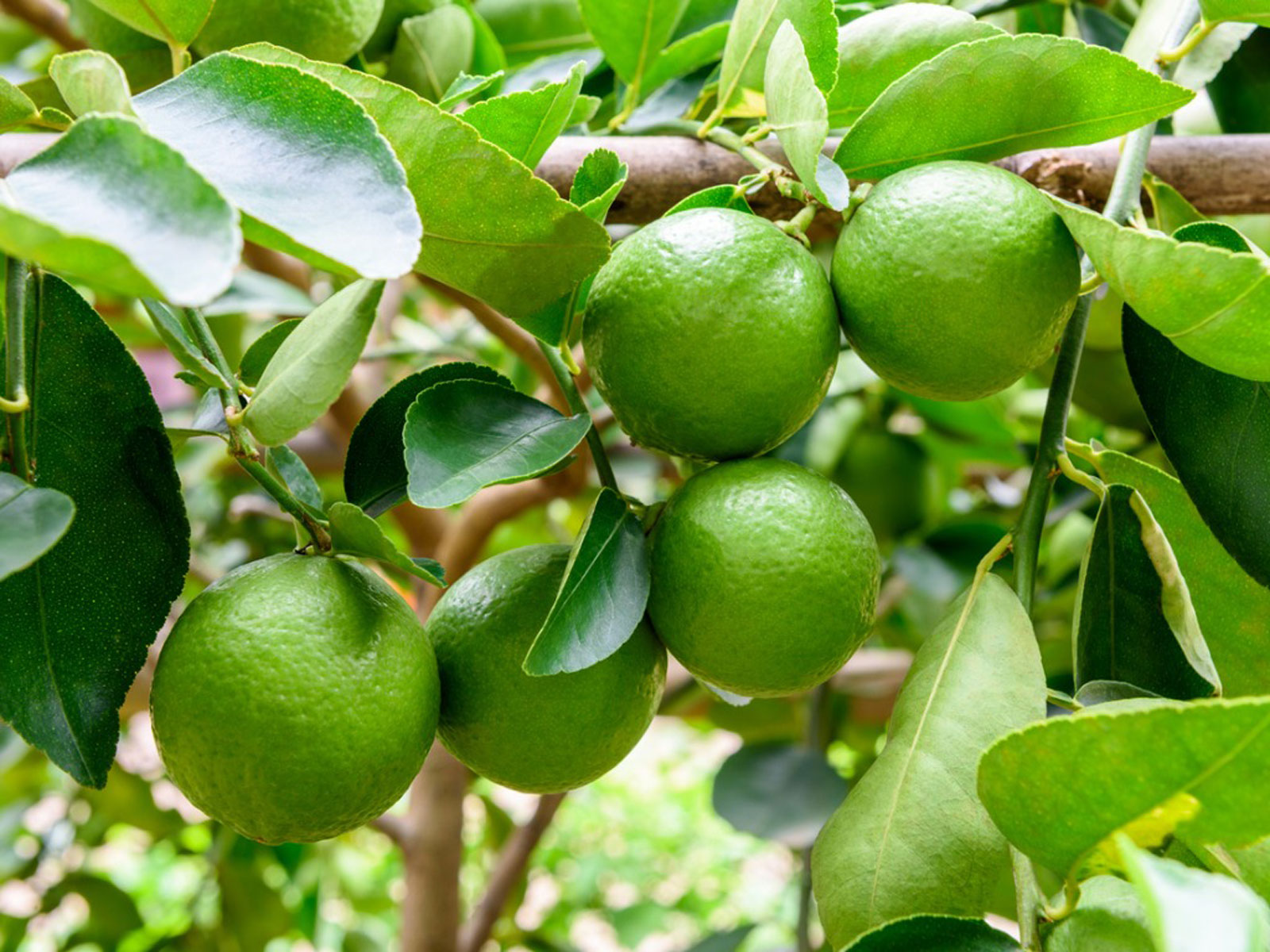
Supplies of organic Persian limes have been tightening up and will continue to stay that way for the near future.
Alex Madrigal of Covilli Brand Organics Inc. in Nogales, AZ says the tightening in the market started mid-December. Covilli brings in limes from three regions: Veracruz, Yucatán and a newly added third grower in Jalisco. “But Veracruz just experienced a severe cold front and there’s smaller fruit. That’s typical at this time of year from Veracruz,” he says, noting Covilli usually drops down to a single load weekly at this time of year. Supplies from Veracruz are likely to stay slimmer until possibly into March.
“And from Yucatán, typically from December into January, we start seeing volumes pick up. We usually start getting two to three loads from there. But climate change has pushed those patterns off and every year we see more and more of a shift,” Madrigal says. The region is also experiencing a cold front which means bigger volumes aren’t expected until early March.
Fair Trade certification
Meanwhile, one of Covilli’s growers of Persian limes and lemons out of the Yucatán just recently become Fair Trade certified. “We’ve been working with this grower going on five years. With all our growers, we always invite them to consider this process because our goal is for all our products to be Fair Trade certified,” says Iris Madrigal of Covilli. “But it also requires time, money and a lot of effort because it’s a significant process.”
While the certification takes a step towards helping support the lives of farm workers, their families and their communities, it’s also of interest to consumers. “Right now, it’s the more educated consumer who knows about Fair Trade. We’re working constantly to educate consumers as well,” says Iris Madrigal, noting Covilli also arranges visits with retail store managers to help them understand what the certification means.
However Alex Madrigal says there’s a ways to go in the consumer’s understanding of the certification, particularly for consumers who shop at larger chains for example. “People who shop at coops or small or medium retail stores are really committed to their community neighbourhood stores and what foods they consume and understand Fair Trade. That’s where we’re seeing the growth just like organic when it first started,” he says.
Shifting shopping habits
As for now, demand on organic Persian limes is pretty steady, thanks in part to those more limited supplies. However, things are changing with consumers. “It’s hard to say but because of the pandemic, we do sense buying patterns have shifted a bit. We’re still trying to identify what the new demand looks like,” says Madrigal. For example, bagged product is still seeing stronger demand. And while usually demand before New Year’s is strong, this year that didn’t happen.
However the limited supplies and steady demand is helping on pricing. “We started seeing prices go up and right now, prices are in the mid $30s. I think it will get tighter before it gets better,” Madrigal says. “The hope is higher prices will offset some of the inflated input costs. All of our growers are feeling the inflation. We’re undergoing our fourth carton price increase on the Mexican side. All growers are seeing prices go up on inputs and the market isn’t keeping pace.”
Source - https://www.freshplaza.com