Ukraine - Risk of losing millions of tons of crops after dam collapse

09.06.2023 638 views

Ukraine could lose several million tons of crops because of flooding caused by the destruction of the Kakhovka dam in the south of the country, the Ukrainian agriculture ministry said on Thursday.

"Without a source of water supply, it is impossible to grow vegetables. Grain and oilseeds will be grown using an extensive model with low yields," the ministry said in a statement.

The ministry said the dam's destruction would flood tens of thousands of hectares of agricultural land in southern Ukraine and could turn at least 500,000 hectares of land left without irrigation into "deserts".

The ministry said the flooded land would require a full agro-ecological assessment of the soil condition and in most cases special soil restoration methods would need to be applied.

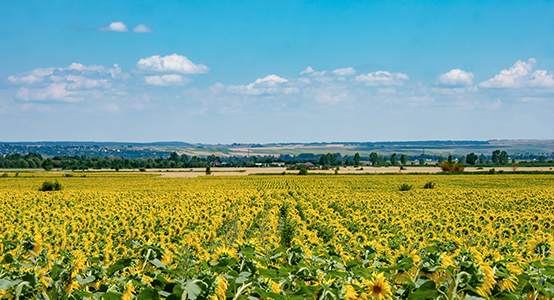
It said vegetables, melons, grains and oilseeds were the main products which were grown on the affected land.

Ukraine is a major global grain and oilseeds grower and exporter.

The destruction of the dam on Tuesday, which Ukraine and Russia blame on each other, has also made it impossible to navigate parts of the Dnipro River and deprived Kyiv of an important agricultural export route, shipping authorities said.

Agriculture Minister Mykola Solsky also said the farm sector's losses could be much higher than previously expected because the disaster inflicted "years" of damage on irrigation.

Source - https://www.reuters.com

18.03.2026

Nepal - Farmers at a loss for lack of insurance for banana plantation

Farmers in Rautahat are suffering losses due to the lack of insurance for banana cultivation. Farmers here have been affected by natural disasters because there is no insurance for banana farming in various local units of the district.

18.03.2026

CARICOM Chair emphasizes agriculture’s leadership role at launch of regional agricultural insurance in St Kitts and Nevis

On Tuesday, March 17, The Hon. Dr. Terrance Drew, Chair of CARICOM and Prime Minister of St. Kitts and Nevis, emphasized the critical role of agriculture in achieving food security and fostering sustainable development.

18.03.2026

Bangladesh - Government Announces New Crop Insurance Scheme

Agriculture Minister Mohammed Amin Ur Rashid has unveiled plans to introduce a comprehensive crop insurance programme designed to shield farmers from losses caused by natural disasters. 

18.03.2026

Salty winds damage potato crop in Cyprus

Powerful winds carrying sea salt destroyed early potato crops in eastern Cyprus, across several agricultural communities. Farmers in Ormidia, Xylofagou, Liopetri and Sotira are now assessing the damage, and in many cases, there is little left to assess.

18.03.2026

USA - UADA rice farmer survey targets crop insurance participation

Arkansas rice farmers are being asked about their participation in crop insurance programs by a researcher who expects their input could help shape future crop insurance programs. 

18.03.2026

India - Climate consequences: Compensation for mango, cashew growers for crop losses

The state government will offer financial assistance to Maharashtra’s mango and cashew growers for crop losses due to changes in weather conditions. Mango, or crucially Alphanso, and cashew are two premier cash crops that flourish in the coastal Konkan region.

17.03.2026

India - BJP Lawmakers Storm Telangana Assembly with Farmer Grievances, Demand Crop Insurance and Loan Waivers

In a dramatic show of solidarity towards the plight of farmers in the state, the BJP legislators stormed the State Assembly during the Budget Session on Tuesday, with over one lakh farmers' petitions on their heads and towing a push-cart piled high with grievances, pressing the Congress government to roll out long-pending crop insurance and fulfill key election promises.

17.03.2026

Burundian Farmers Can Now Insure Their Harvests: ‘This Is a Crucial Link in Protecting Incomes’

For the first time in Burundi’s history, farmers can insure their crops against drought and flooding. Jean Marie Vianney Nsabiyumva of Cordaid explains how the scheme works and why scaling it up requires support.