As climate change exposes Zimbabwe’s smallholder farmers to increasingly frequent droughts and extreme weather, the Insurance Council of Zimbabwe (ICZ) will broaden agricultural insurance beyond crops to include livestock, health, and funeral cover to lessen the financial impact of climate-related disasters.
The expansion follows the growing uptake of the Farmers Basket Agricultural Insurance Scheme, which was introduced after the devastating 2023–24 drought season to provide financial protection for smallholder farmers against crop losses.
Spearheaded by the ICZ in partnership with the government and implemented through AFC Insurance under the Agropool Scheme, the initiative now operates in more than 10 districts, with plans for further expansion to the ward level.
The programme forms part of wider efforts by the government and the insurance industry to protect vulnerable farming communities from recurrent droughts that have increasingly disrupted agricultural production, threatened food security, and undermined rural livelihoods.
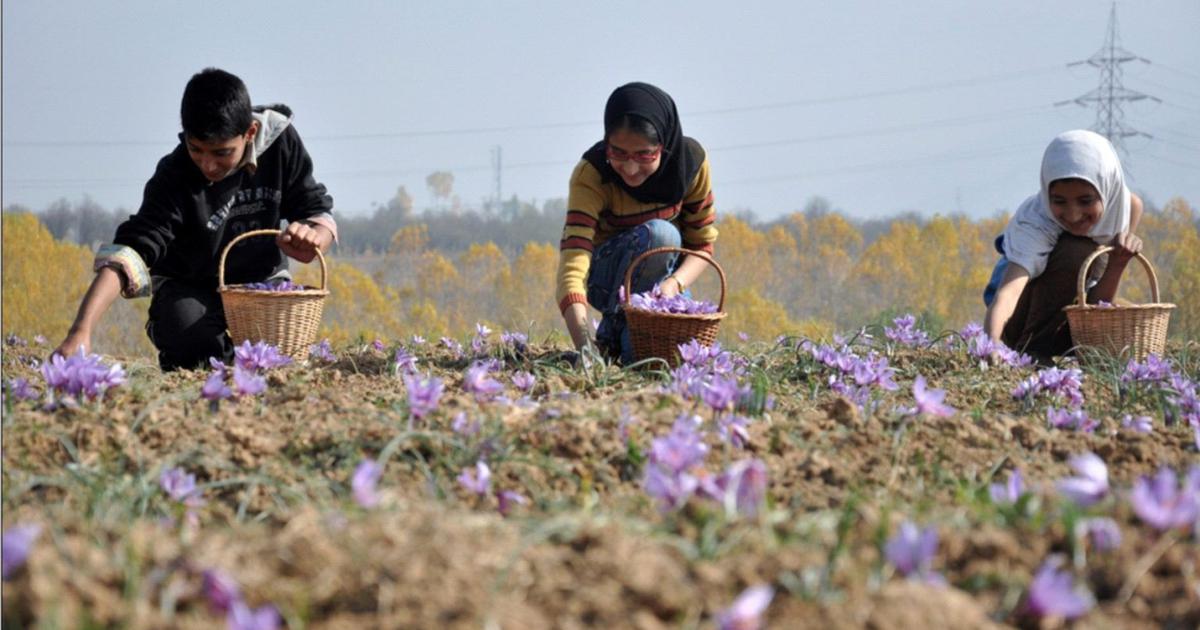
This comes as smallholder farmers account for about 70% of Zimbabwe’s farming population, according to government statistics.
The need to expand coverage is also driven by the possibility that the upcoming 2026/27 agricultural season may bring El Niño-like drought conditions.
“In addition to crop insurance, which we have largely done, we are now going to add livestock insurance, and we are also going to add other cover that the farmers have actually asked for,” the ICZ first vice-president and AFC Insurance managing director, Cuthbert Masukume, said.
He was speaking during an insurance payout to Buhera farmers under the scheme this past Wednesday.
“We are going to add an option for farmers to have funeral insurance through a funeral cash plan or health insurance through a hospital cash plan,” Masukume said.
“These are policies that cost about US$1 per month, which we believe will go a long way in mitigating the effects of disasters on farmers.”
Livestock insurance is expected to become a critical component of that strategy.
Zimbabwe’s livestock sector remains one of the country’s most valuable agricultural assets, with cattle serving as a source of income, draught power, household savings, and food security for millions of rural households.
Outside of smallholder farmers, according to government estimates, A1 farmers account for approximately 11% of all farms, while A2 and large-scale commercial farmers own around 10%.
Small-scale commercial farming areas account for 4%, with former resettlement areas making up the remainder.
However, recurrent droughts, disease outbreaks, cattle theft, inadequate grazing land, and limited access to veterinary services continue to threaten herd sizes and farmers’ incomes.
Take Buhera farmer Claris Masomera.
Like many smallholder farmers, she has faced the growing uncertainty brought by climate change, where a single drought can wipe out an entire season's investment.
Through the Farmers Basket Agricultural Insurance Scheme, however, she says farmers in her community have gained a better understanding of how insurance can help them recover from climate-related shocks and are increasingly embracing it as part of their farming operations.
“We received training on how the insurance works and people have accepted it very well. It is a good initiative because it will help us recover whenever disasters affect our farming activities,” Masomera said.
Her experience illustrates the broader shift the ICZ and government are seeking to achieve — encouraging farmers to view insurance as an essential climate resilience tool rather than waiting for disaster relief after crops have failed.
Under the scheme, Buhera farmers paid a US$24 premium to insure crops worth up to US$300, with payouts determined by the extent of crop losses.
Participating farmers received about US$54 each, along with 2kg of maize seed, following seasonal assessments.
The ICZ has also introduced the ‘Grain for Premium’ initiative in partnership with the Zimbabwe Farmers Union, allowing farmers to pay insurance premiums using grain instead of cash.
“We are extending this facility to farmers so they can insure their crops and use grain as a proxy for cash. Instead of paying cash, they can now use grain to pay their premiums,” Masukume said.
He, however, acknowledged that insurance literacy remained a major challenge, with many farmers misunderstanding how agricultural insurance works.
Masukume said some farmers mistakenly believed they would automatically receive the full insured amount regardless of the cause of crop failure or farming practices.
“Insurance is there to mitigate risk, not to replace good agricultural practices. We are hearing that in some areas farmers planted late because they did not have seed or faced other challenges,” he said.
“Insurance is not designed to compensate for those issues. It only responds to insured events such as reduced yields caused by drought or excessive rainfall.”
He said payouts are only triggered when an insured event occurs and assessments confirm losses in line with the policy terms.
The Ministry of Agriculture, Mechanisation and Water Resources Development’s Business Development director, Abraham Mashumba, said the government was assessing the potential losses suffered by farmers so they can return to production.
“We are pleased with the partnership and the results we are seeing, but we still need extensive awareness campaigns to expand agro-insurance,” Mashumba said.
He said the government remains hopeful that all communal farmers will embrace agro-insurance as one of their essential farming inputs.
“As farmers become more resilient after difficult seasons, the government will be able to redirect more resources towards long-term agricultural development instead of continually responding to climate-induced emergencies through relief programmes,” Mashumba said.
Source - https://www.newsday.co.zw