

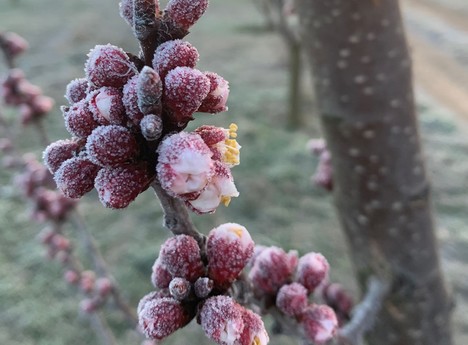
Canada - Devastating late spring frost kills large swaths of fruit crops[:ru]Cana
01.06.2021 918 views
Some Ottawa area farmers say there will be no bouncing back from a recent frost that has wiped out large portions of their crops.
Ann Marie Rochon and her husband own Rochon Garden in the city's rural southeast end, where they grow a variety of produce, including strawberries which are their "biggest sellers."
Rochon said they were expecting a little frost between Thursday and Monday, even though the forecast only predicted a low of four degrees. They used an irrigating technique on their nearly 6.5 hectares of strawberry fields for at least four nights to try and protect the crop.
When her husband went to check on the plants Monday morning, much of their other produce remained "unscathed" but about 80 per cent of their strawberry crop had blackened flowers, a sign they were frostbitten.
"We had anticipated this, but not to this scale," said Rochon.
"It was devastating. It really, it hurt a lot ... To have that 80 per cent decimated in, you know, a few nights, that really hits."
Because of the damage, Rochon said she won't be able to open the farm for public strawberry picking, a loss she estimates to be hundreds of thousands of dollars.
Vineyard also hit
"We knew there was a danger," said winemaker Richard Deslandes of Green Gables Vines Winery, a two-hectare winery in Oxford Station, Ont., south of Ottawa.
He said grapes are meant to survive spring frosts, but with recent summer-like temperatures, the crop bloomed earlier than usual, making it susceptible to damage.
"That's part of the business, right? You get some great years and you get some not so great years," he said.
While there are some things the winery could have done to protect the crop, Deslandes said it's a small operation with limited staff and buying equipment to protect the grapes would be a huge financial investment.
Deslandes said he's thankful the winery is a side project but the frost has still cost the business tens of thousands of dollars in lost profits. It also means his team will have to buy grapes from the Niagara region to make up for lost supply.
Source - https://www.cbc.ca
EVENTS

ScaleAgData Stakeholder Engagement Event
22.10.2024The ScaleAgData project is pleased to invite you to our second stakeholder event. Building on the discussions and connections formed during our first webinar, this event will focus on fostering collaboration among stakeholders, providing updates on our project’s progress, and outlining future opportunities for engagement.
RISK EVENTS

Moldova - May frosts caused heavy damage to fruit orchards
10.05.2026The first frosty nights of May have significantly worsened estimates of damage to Moldova's fruit sector from spring frosts. According to initial assessments by fruit market operators, between a quarter and a third of the country's total orchard area was seriously affected.
25.10.2026

Dominican Republic - Tornado and rain cause crop damage in Valverde
A gust of wind described by producers and agricultural authorities as a small tornado caused considerable damage to banana and plantain plantations in Valverde province, where heavy rains on Wednesday afternoon affected hundreds of acres of crops and threaten the income of farmers in the area.
25.10.2026
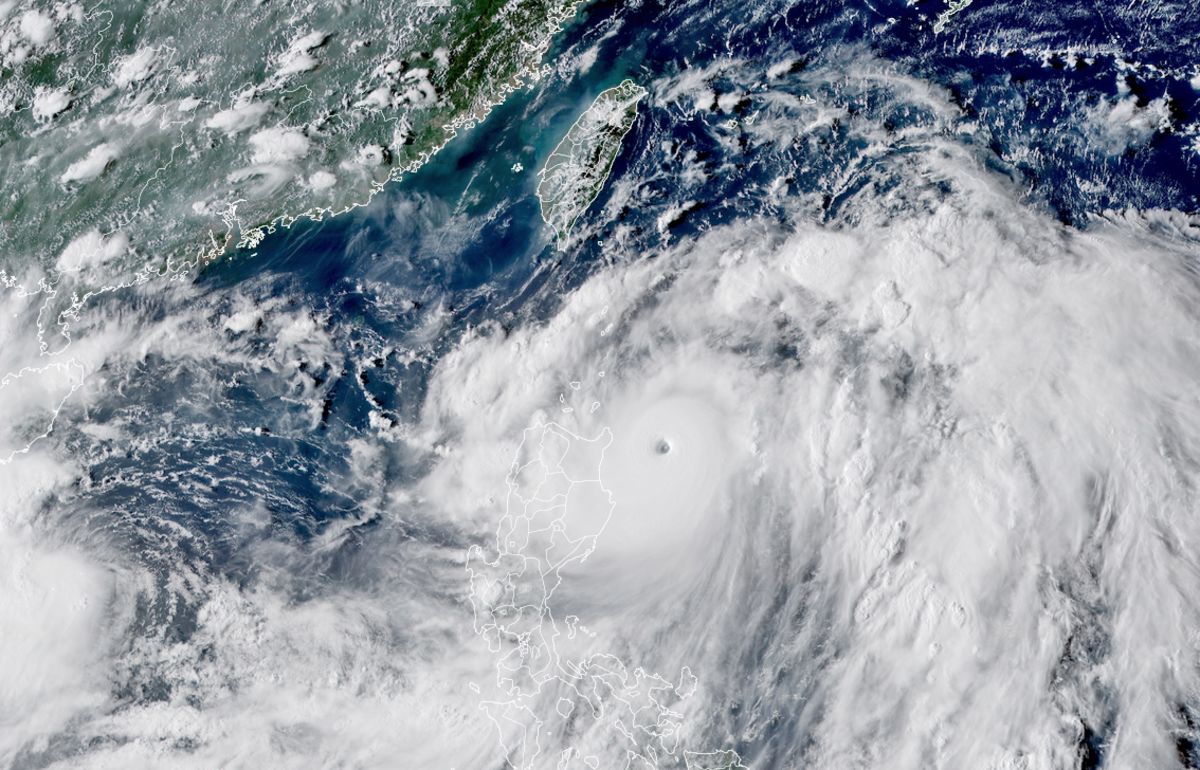
Taiwan - Typhoon Champi causes NT$133 million in agricultural losses
Yunlin accounts for 82% of estimated damage, with garlic hit hardest.
25.10.2026
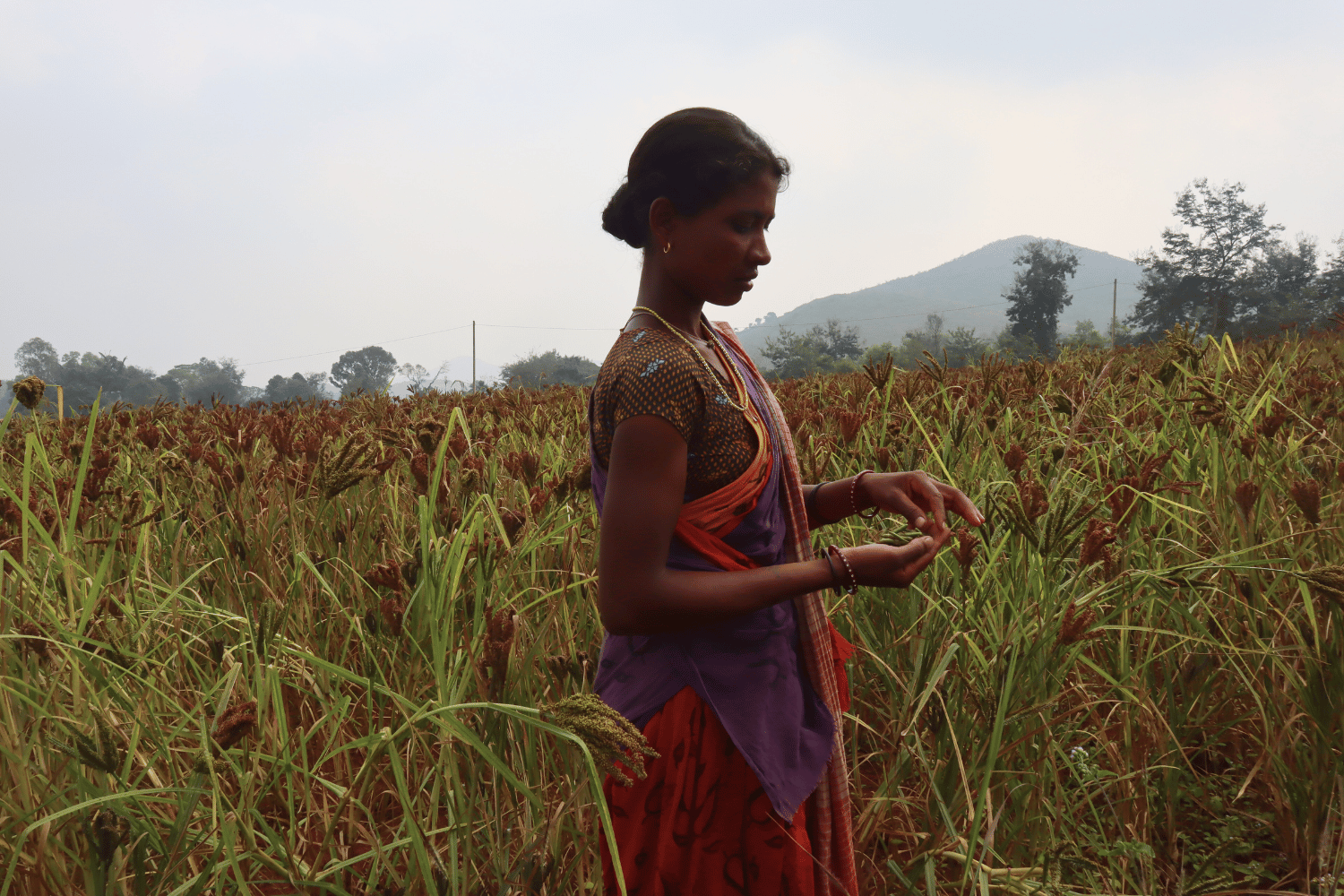
Financial safety nets and smart farming are key to climate resilience for farmers in India’s drylands
Financial inclusion, crop insurance, and public work programs are bridging the resilience gap for marginal farmers in India’s drylands, proving that institutional support matters more than farm size.
25.10.2026
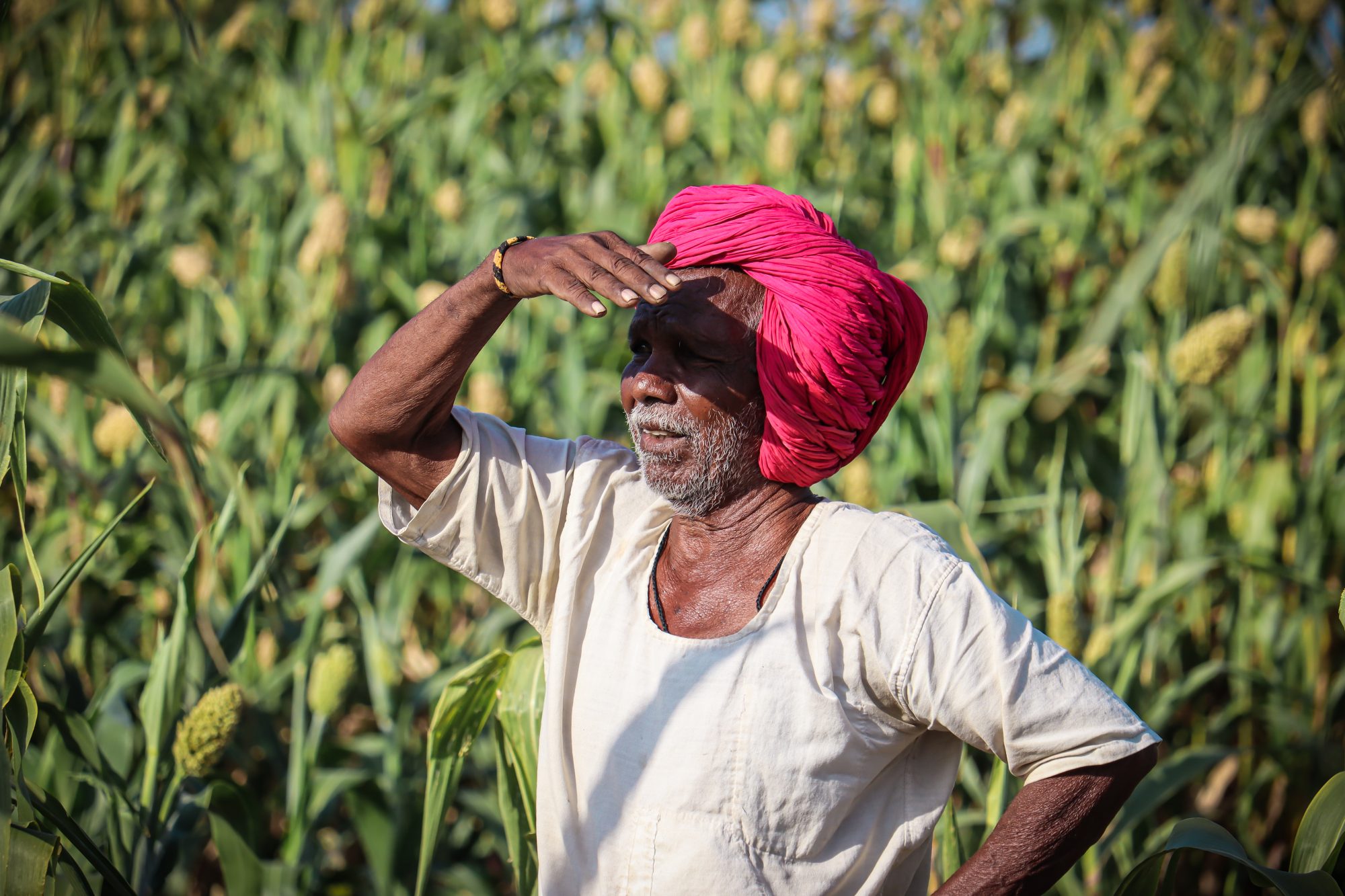
India - MP Irrigation Project to Benefit 72,000 Farmers
Madhya Pradesh has launched a ₹2,387-crore irrigation project for 260 villages in Dhar and Jhabua, targeting 57,422 hectares and 72,000 farmers.
25.10.2026
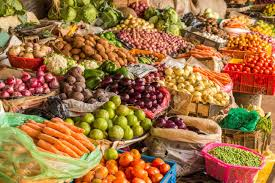
Southeast Asian haze cuts vegetable supplies and raises prices in Singapore
Prolonged haze across Southeast Asia is affecting vegetable imports into Singapore, with wholesalers reporting reduced supplies, smaller crops, and higher prices. Reduced sunlight is limiting photosynthesis and slowing crop growth.
25.10.2026

Camellia warns of trading loss as costs rise and crop prices weaken
Camellia expects a trading loss of £3 million to £5 million for 2026, reversing last year’s £1 million trading profit as rising costs and weaker avocado and macadamia prices squeeze the agricultural group.
22.10.2026
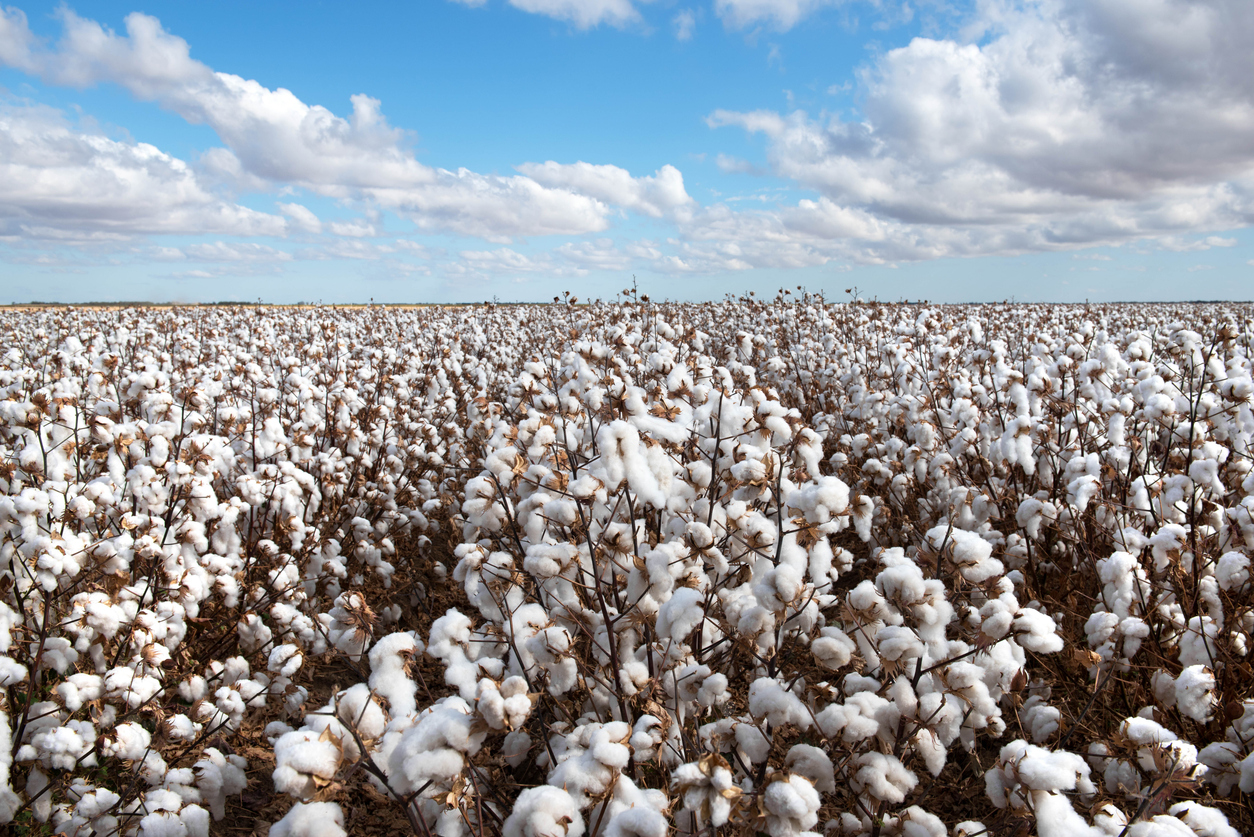
USA - Cotton Producers Face New ARC PLC Decision Deadline
The special provision giving producers the higher of ARC or PLC for 2025 will not continue next year.
22.10.2026
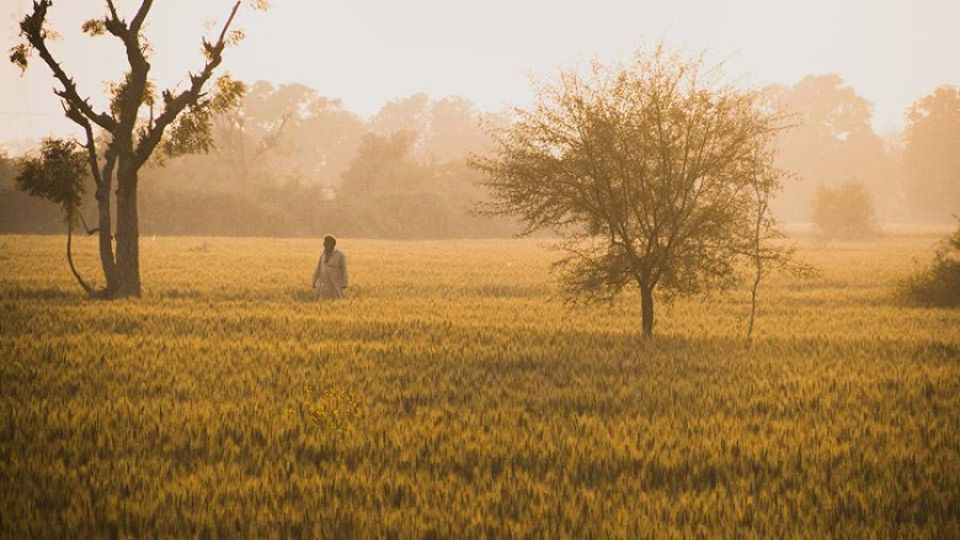
Pakistan - Punjab unveils £300,000 climate-resilient agriculture project for Cholistan and Thal
The Government of Punjab announced a 300,000-pound pilot project to establish climate-resilient agriculture across arid desert regions. The 12-month targeted initiative specifically focuses on farming communities operating within the vulnerable Cholistan and Thal desert ecosystems.
