

Canada - Dorian damage worse than first thought in Nova Scotia's famed Annapolis Valley
13.09.2019 618 views
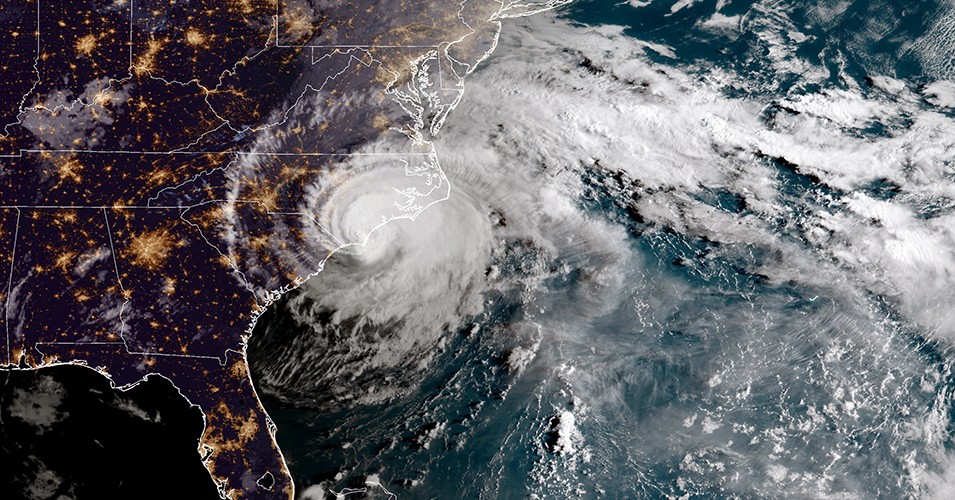
Closer inspections of the ripening apple crop in Nova Scotia's fertile Annapolis Valley have revealed the damage caused by post-tropical storm Dorian was worse than first thought.
"We've lost a major part of our crop here, and some will be downgraded as well," said Larry Lutz, an apple grower and president of the Nova Scotia Fruit Growers' Association.
Last weekend, Dorian's hurricane-force winds snapped thousands of trees and pulled tonnes of fruit to the ground across the valley. The 120-kilometre strip of land between two low-slung mountains is renowned for a warm microclimate that supports the province's most productive farms and vineyards.
At the Lutz Family Farm in Rockland, up to 40 per cent of the gross value of this season's apple crop has been lost, Lutz said.
And the timing couldn't have been worse for the province's highest-value apples: the wildly popular Honeycrisp variety.
"They don't hang on the tree all that well — they have a short, brittle stem," said Lutz. "When the wind whipped them around, we probably lost at least 25 per cent .... Anything that happens to Honeycrisp has a huge impact on us."
The decision to shift to the Honeycrisp variety in the late 1990s rejuvenated an industry that is now seen as a viable option for younger farmers and their families.
As for Lutz's SweeTango apples, the plan was to begin picking them last Monday. Now, more than half are on the ground, rotting.
"They just shattered off the trees," he said. The more traditional McIntosh and Cortland apples fared better, thanks to their more flexible stems, but the wind also took a toll on them.
"Some of the apples are smaller, but they're prone to friction marks, especially the light-skinned varieties," said Lutz.
At Lisa Jenereaux's mixed farm near Melvern Square, up to 50 per cent of the Honeycrisp apples have been lost.
"We were just days away from starting to pick (other apples)," said in an interview. "This was one of the biggest crops, potentially, that we were ever going to have."
And it wasn't until a few days after the storm that Jenereaux realized several rows of trees, supported by a sturdy trellis system, were dying because they had been snapped off near the roots.
"We lost a couple acres of trees and trellis that just blew over, snapping off every tree going down the row," said Jenereaux, president of the International Fruit Tree Association and co-owner of Spurr Brothers Farms Ltd.
The loss of 4,000 trees will hurt the farm for at least the next four years because it takes that long to get new trees into production.
"You've lost a lot when you lose a tree — that's the hardest loss" she said, adding that crop insurance will help cover some of the damage.
Dorian also knocked out power to the farm on the weekend. The busy operation, which harvests 40 hectares of orchards and 300 hectares of vegetables and grain crops, wasn't reconnected until Thursday.
Jenereaux said Dorian's arrival on the weekend was particularly unwelcome because most orchards in the valley were devastated by severe frost in June 2018 — the worst seen in several decades.
"It's been challenging on all fronts," she said.
Provincial Agriculture Minister Keith Colwell said it was too soon to talk about compensation, though he noted the damage to orchards was significant.
"From the photos I've seen, it's massive," he said, adding that the apple industry tends to have a high level of crop insurance. "The orchards typically haven't seen this kind of damage in a very long time."
Source - https://www.airdrietoday.com
EVENTS

ScaleAgData Stakeholder Engagement Event
22.10.2024The ScaleAgData project is pleased to invite you to our second stakeholder event. Building on the discussions and connections formed during our first webinar, this event will focus on fostering collaboration among stakeholders, providing updates on our project’s progress, and outlining future opportunities for engagement.
RISK EVENTS

Moldova - May frosts caused heavy damage to fruit orchards
10.05.2026The first frosty nights of May have significantly worsened estimates of damage to Moldova's fruit sector from spring frosts. According to initial assessments by fruit market operators, between a quarter and a third of the country's total orchard area was seriously affected.
27.10.2026
USA - Potato breeding research targets reduced handling damage and crop losses
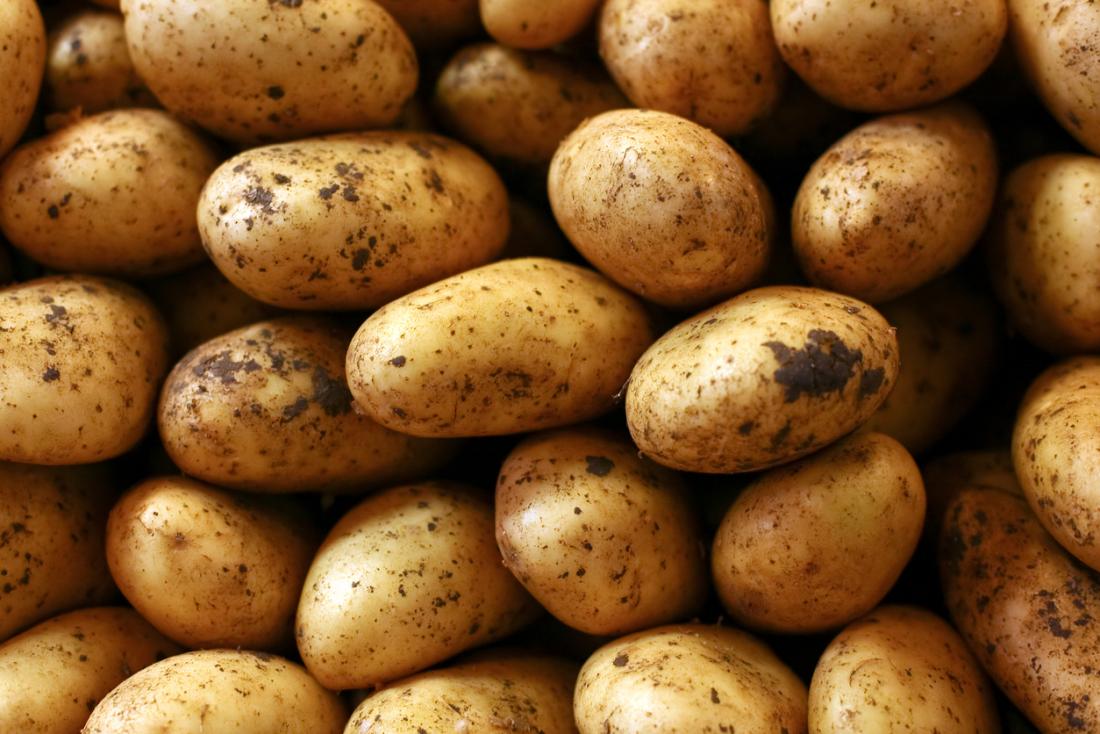
Potato breeding research is examining how tuber characteristics influence damage during harvesting, storage, grading, and packing. The objective is to increase marketable yields while maintaining crop quality and meeting market specifications.
27.10.2026
India - Gujarat Drought Relief Triggers Farmer Backlash Over ₹8,500 Aid
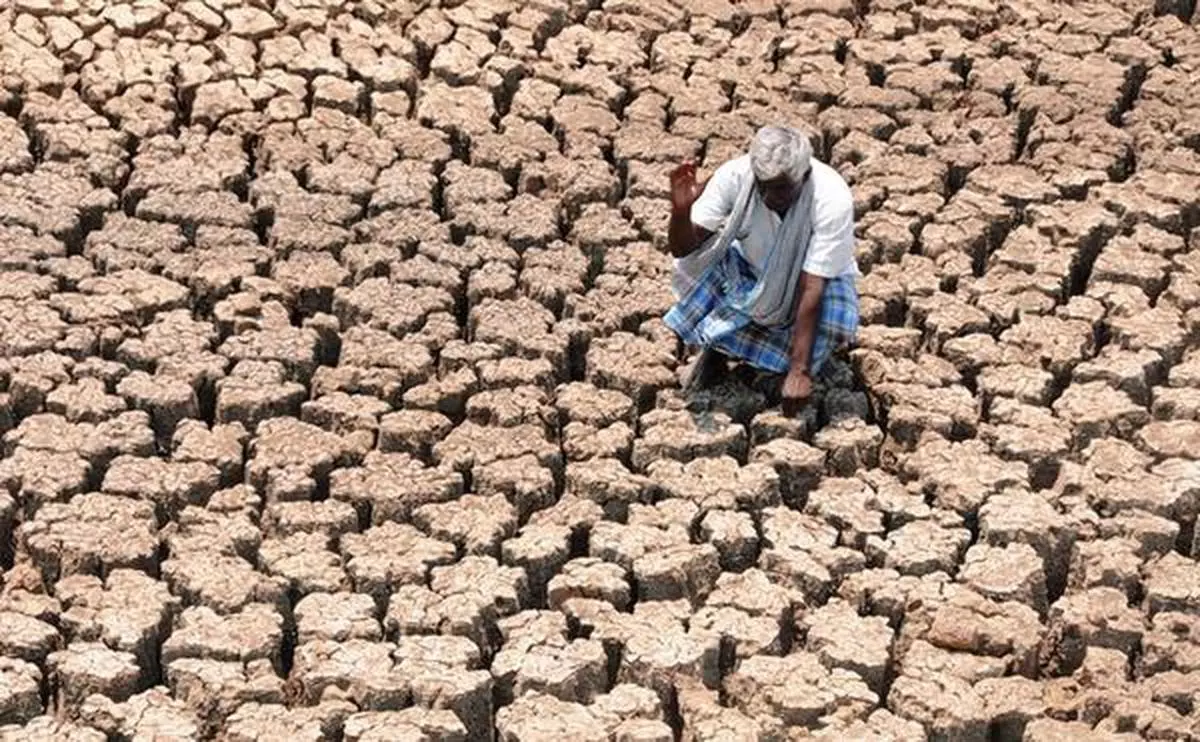
Gujarat’s drought relief package has triggered opposition from farmer leaders in Dwarka, who say the proposed assistance of ₹8,500 per hectare is inadequate and have announced a possible agitation from November 12 if the government does not revise the eligibility and assistance norms.
27.10.2026
USA - Fall Covers for Spring Savings incentive program returns
The Illinois Department of Agriculture is launching the eighth year of its Fall Covers for Spring Savings Program.
27.10.2026
India-Ghana Agricultural Pact targets tomato production, crop research and post-harvest losses
Five-year ICAR–CSIR-CRI agreement puts vegetable research, tuber processing, cold-chain technology and commercialisation at the centre of India-Africa agricultural cooperation.
27.10.2026

India - Tandur Gram Crop Withers Amid Water and Power Shortages
Tandur gram received the Geographical Indication (GI) tag in December 2022, recognising its distinctive identity and quality. However, farmers who cultivate the crop are now struggling to save their produce amid unfavourable conditions.
27.10.2026
India - Odisha Issues Show-Cause Notice to 6 ADMs Over PMFBY Data Lapses
The Cooperation Department of Odisha has issued show-cause notices to the Additional District Magistrates (ADMs) and PMFBY Nodal Officers of six districts for severe negligence in uploading Crop Cutting Experiment (CCE) data under the Pradhan Mantri Fasal Bima Yojana (PMFBY).
26.10.2026
Malaysia studies expanding crop insurance to other agricultural sectors
The government is assessing steps to expand the crop insurance scheme as the agricultural sector faces increasingly significant risks from natural disasters and extreme weather. A comprehensive study is needed before the scheme can be extended beyond rice crops, including to examine how premiums should be paid and losses assessed.
26.10.2026
Crop losses from recurring droughts ‘shrinking Poland’s economy and impacting businesses’
A new report has found that lower crop yields significantly affect industries beyond agriculture, including trade and transport.
