India - Farmers reeling under Nivar impact are in for more trouble

30.11.2020 451 views
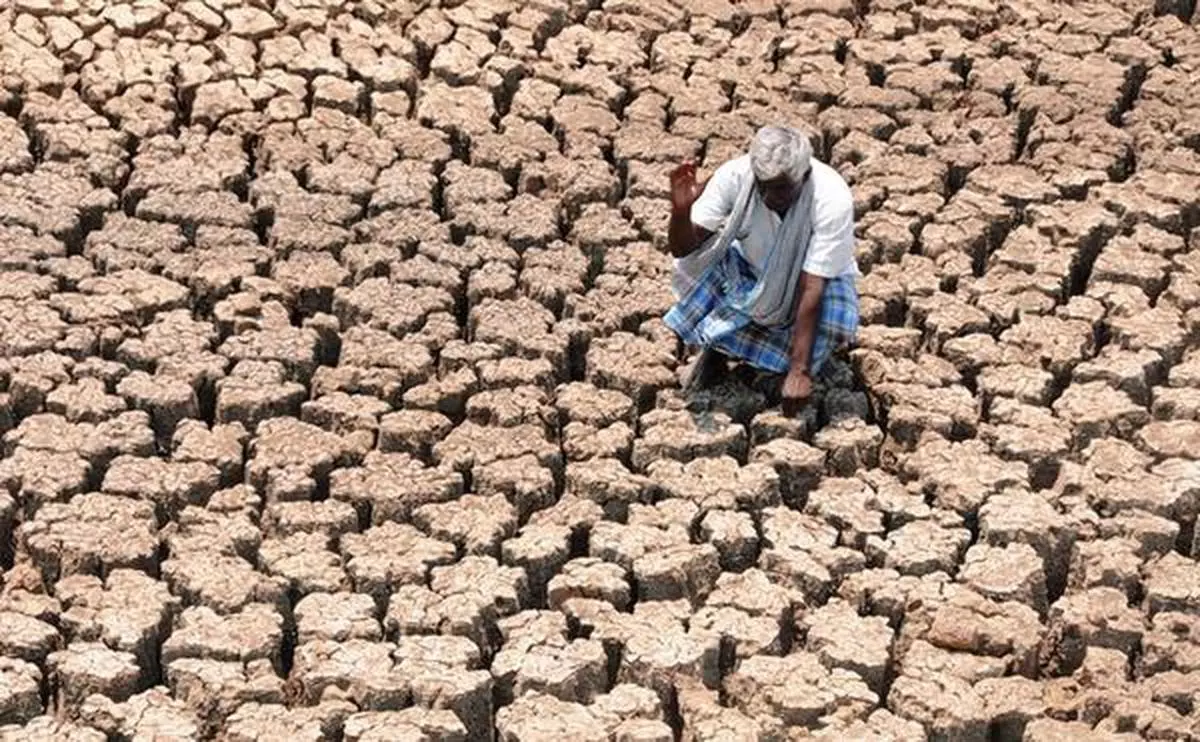
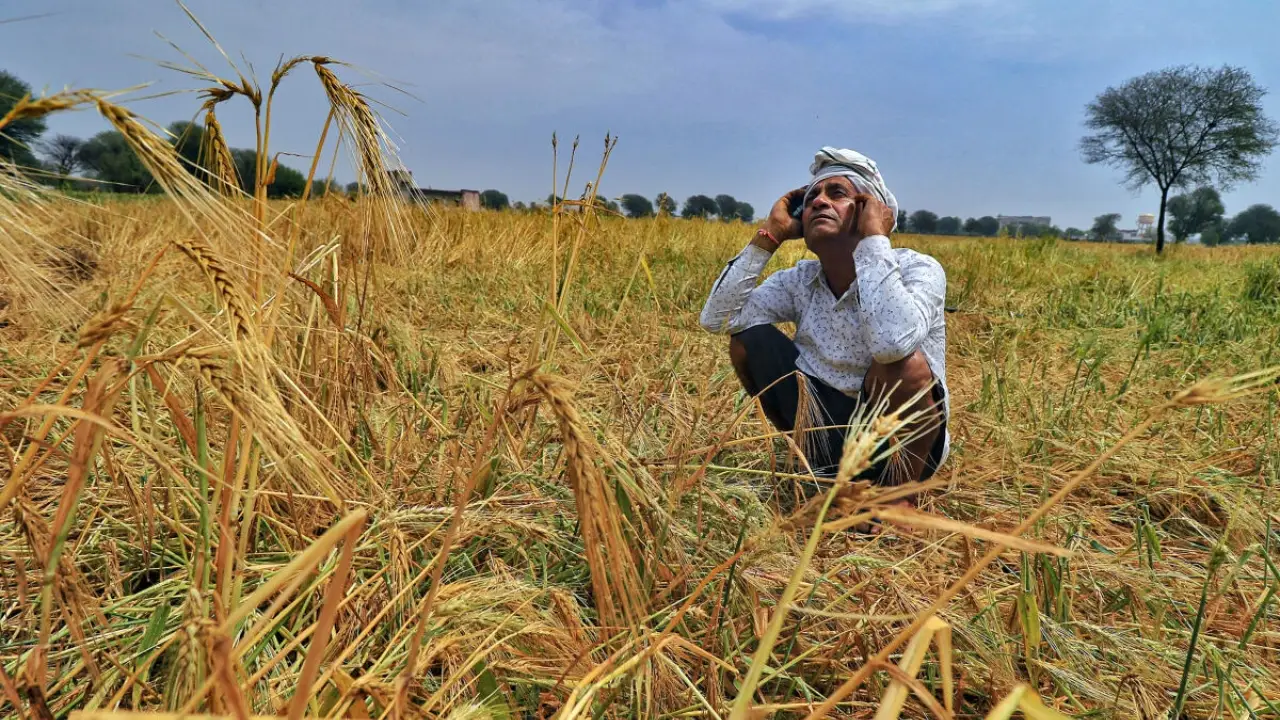
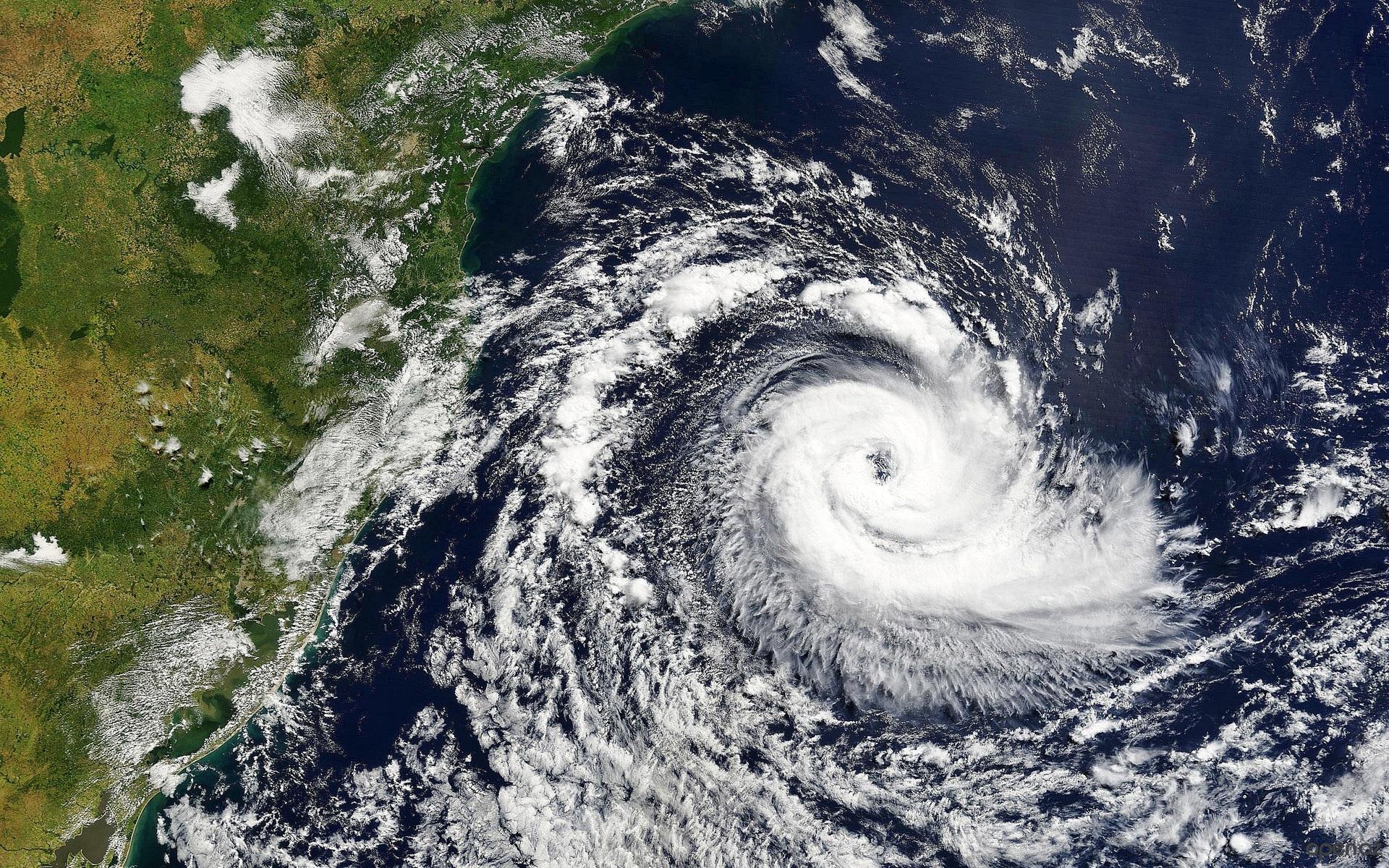
Cyclone Nivar has caused extensive damage to the standing crops in 11 of the 13 districts in the State. According to preliminary estimates available with the Department of Agriculture, crops weighing 5,35,475 tonnes in 2,14,420 hectares have been damaged, inflicting a loss of ₹1,064.83 crore on the farmers. But the bad news is not yet over for the farmers. Reports indicating yet another cyclonic storm in succession may compound their woes further. “After Nivar, another cyclonic circulation is said to be brewing in the Bay of Bengal, which may cause further damage to the crops,” said Arun Kumar, Commissioner, Department of Agriculture. Several places in the State witnessed torrential rains of more than 200 mm, resulting in eight deaths so far and loss of property in vast stretches. Damage to crops

Mr. Kumar said that ready-to-harvest paddy crop was damaged in vast stretches.

“We can minimise the damage if there are no more rains as water will recede in the next few days. But the threat of another cyclone may further mount the burden of losses on the farmers,” he said, explaining that a detailed enumeration of crop loss would be possible only after the rains stopped. Wherever there is more than 30% damage, the farmers would be eligible for input subsidy as per the National or State Disaster Relief Fund (NDRF, SDRF) norms.

Mr. Arun Kumar said that 90% of the damaged crop comprised paddy, while black gram and red gram, besides some extent of cotton cultivation, also bore the brunt of Cyclone Nivar.

‘Guntur farmers worst-hit’ “Farmers of Guntur district have taken the biggest hit. They have started sowing late for the kharif and the crop has now come for harvest. They would have gone for harvesting in the next few days,” he said. Now that a major part of the crop got lodged in rainwater, the farmers might have to wait for sunshine for the crop to dry and postpone harvesting till the second week of December, he observed.

The farmers, meanwhile, were keeping their fingers crossed, hoping for an end to their distress.

Source - https://www.thehindu.com


15.12.2025

India - Delayed crop loss survey keeps Cauvery delta farmers in limbo

Nearly 90,000 hectares of samba and thalady crops are submerged, raising fears for the next cultivation cycle.

15.12.2025

Romanian farmers to get financing support with €25 million EIB loan to Agricover Credit

Romanian farmers will be eligible for extra financing as a result of a €25 million loan that Agricover Credit IFN SA is receiving from the European Investment Bank (EIB). 

15.12.2025

UAE launches AI ecosystem to boost global agricultural resilience

The United Arab Emirates has launched an AI-powered agricultural ecosystem, partnering with global institutions to help farmers adapt to climate change and food security challenges.

15.12.2025

Bulgaria Opens €278M CAP Grant Calls for Farm Investments in Vulnerable Sectors

CAP Investment Support Calls Open in Bulgaria

15.12.2025

India - Maize Farmers in Bihar’s East Champaran Hit by Crop Diseases After Floods and Drought

Farmers in eastern Bihar say fungal and bacterial infections are damaging young maize plants, raising fears of yield losses after a season already disrupted by floods and drought. 

15.12.2025

Farmers’ Revolt in Greece Intensifies Amid State Repression

Greek farmers have escalated nationwide protests in December 2025, deploying thousands of tractors to block major highways, borders, ports, and even airports like Heraklion in Crete. 

14.12.2025

USA - USDA launches $700 million pilot to expand regenerative agriculture

The U.S. Department of Agriculture on Wednesday unveiled a $700 million pilot program to help farmers adopt regenerative agriculture practices aimed at improving soil health, water quality and long-term farm productivity while strengthening the nation’s food supply.

14.12.2025

South Africa - Hail and flooding demand critical crop insurance safety net

A single storm can wipe out a season's work. With climate change creating new hail hotspots, as seen across four South African provinces recently, the threat is less predictable than ever.