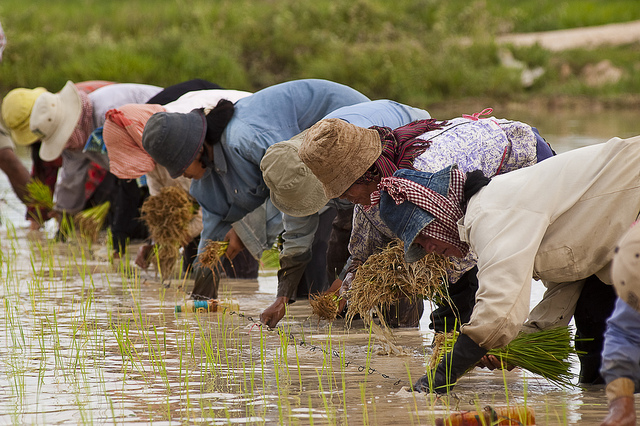
Italy - Damage count starts in Apulia - cherries and watermelons knocked out

21.05.2019 755 views
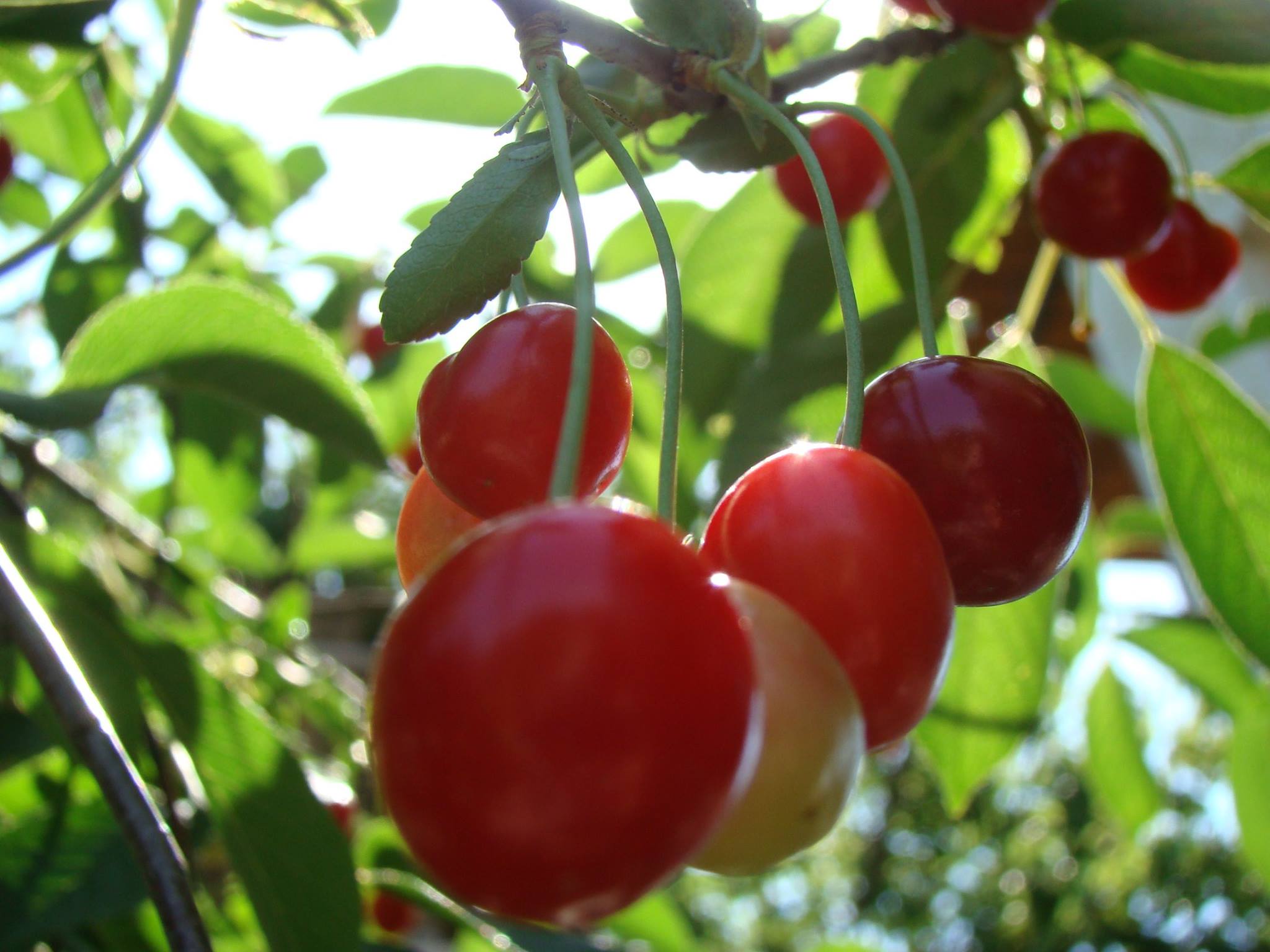
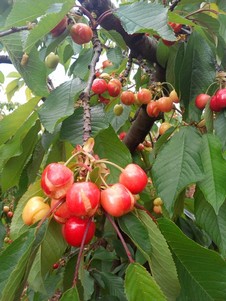
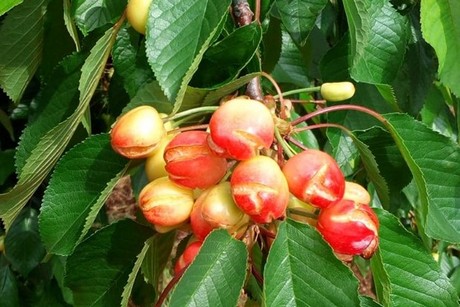
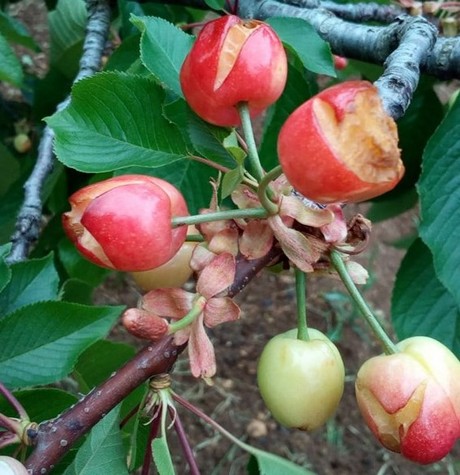
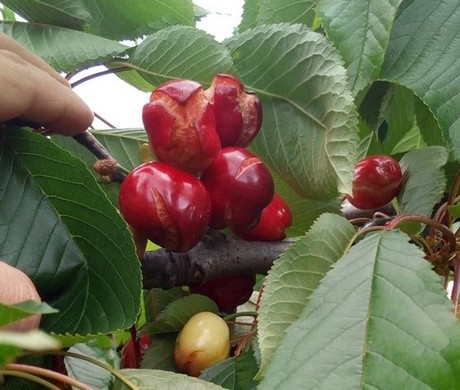
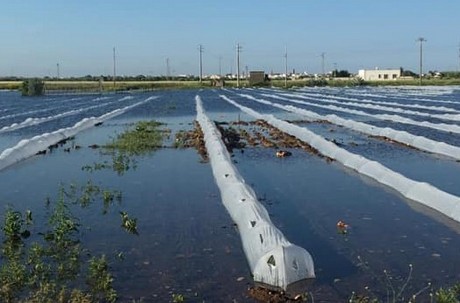
Rainstorms, water bombs and hailstorms: there was no break in the bad weather hitting fields in the Italian region of Apulia. And the forecasts for the coming days still talk about rain."At the moment the situation is not the best, says Gianluca Giorgio, a young agricultural entrepreneur. Rain continues and there is also strong wind. For the next few days rain is expected again. My fields are mostly located in Acquaviva delle Fonti, but I have other ones in the Agro di Gioia del Colle and Santeramo, all in the province of Bari. The cultivated crops are cherries, apricots, peaches and plums." "The damage, at least in our area, was not caused by hail, but by excessive and endless rains," continues Gianluca. "The worst were recorded on Tuesday (night / morning) and caused the greatest damage, mainly to Bigarreau cherries in full ripeness, with a 90-100% lost, while Thursday's rain also seriously affected the Giorgia variety, of which a good 50% was lost."
On other crops, the entrepreneur does not report serious damage, because the fruits are still growing. "Almost non-existent damage on apricots, peaches and plums, but irrelevant in comparison with what happened to the cherries. On Monday morning (read today May 20th, 2019) I await inspections by officials of the Apulia region in my fields. My municipality has asked for a state of natural disaster." "In this area, all the farmers are in the same boat, with more or less serious damage. All due to excessive rainfall, caused by climate change. Working and investing in our lands is increasingly hard and has become a poker game," concludes Gianluca. According to Savino Muraglia, president of the association Coldiretti Puglia, in the province of Lecce watermelons paid the highest price because of the wave of bad weather that has raged in the last week. "It is a real collapse for watermelons - adds the president of Coldiretti Lecce, Gianni Cantele - with flooded fields and destroyed plants. In addition to watermelons, melon seedlings went up in smoke and vegetables became rotten." Source - https://www.freshplaza.com/
15.12.2025

India - Delayed crop loss survey keeps Cauvery delta farmers in limbo

Nearly 90,000 hectares of samba and thalady crops are submerged, raising fears for the next cultivation cycle.

15.12.2025

Romanian farmers to get financing support with €25 million EIB loan to Agricover Credit

Romanian farmers will be eligible for extra financing as a result of a €25 million loan that Agricover Credit IFN SA is receiving from the European Investment Bank (EIB). 

15.12.2025

UAE launches AI ecosystem to boost global agricultural resilience

The United Arab Emirates has launched an AI-powered agricultural ecosystem, partnering with global institutions to help farmers adapt to climate change and food security challenges.

15.12.2025

Bulgaria Opens €278M CAP Grant Calls for Farm Investments in Vulnerable Sectors

CAP Investment Support Calls Open in Bulgaria

15.12.2025

India - Maize Farmers in Bihar’s East Champaran Hit by Crop Diseases After Floods and Drought

Farmers in eastern Bihar say fungal and bacterial infections are damaging young maize plants, raising fears of yield losses after a season already disrupted by floods and drought. 

15.12.2025

Farmers’ Revolt in Greece Intensifies Amid State Repression

Greek farmers have escalated nationwide protests in December 2025, deploying thousands of tractors to block major highways, borders, ports, and even airports like Heraklion in Crete. 

14.12.2025

USA - USDA launches $700 million pilot to expand regenerative agriculture

The U.S. Department of Agriculture on Wednesday unveiled a $700 million pilot program to help farmers adopt regenerative agriculture practices aimed at improving soil health, water quality and long-term farm productivity while strengthening the nation’s food supply.

14.12.2025

South Africa - Hail and flooding demand critical crop insurance safety net

A single storm can wipe out a season's work. With climate change creating new hail hotspots, as seen across four South African provinces recently, the threat is less predictable than ever.