

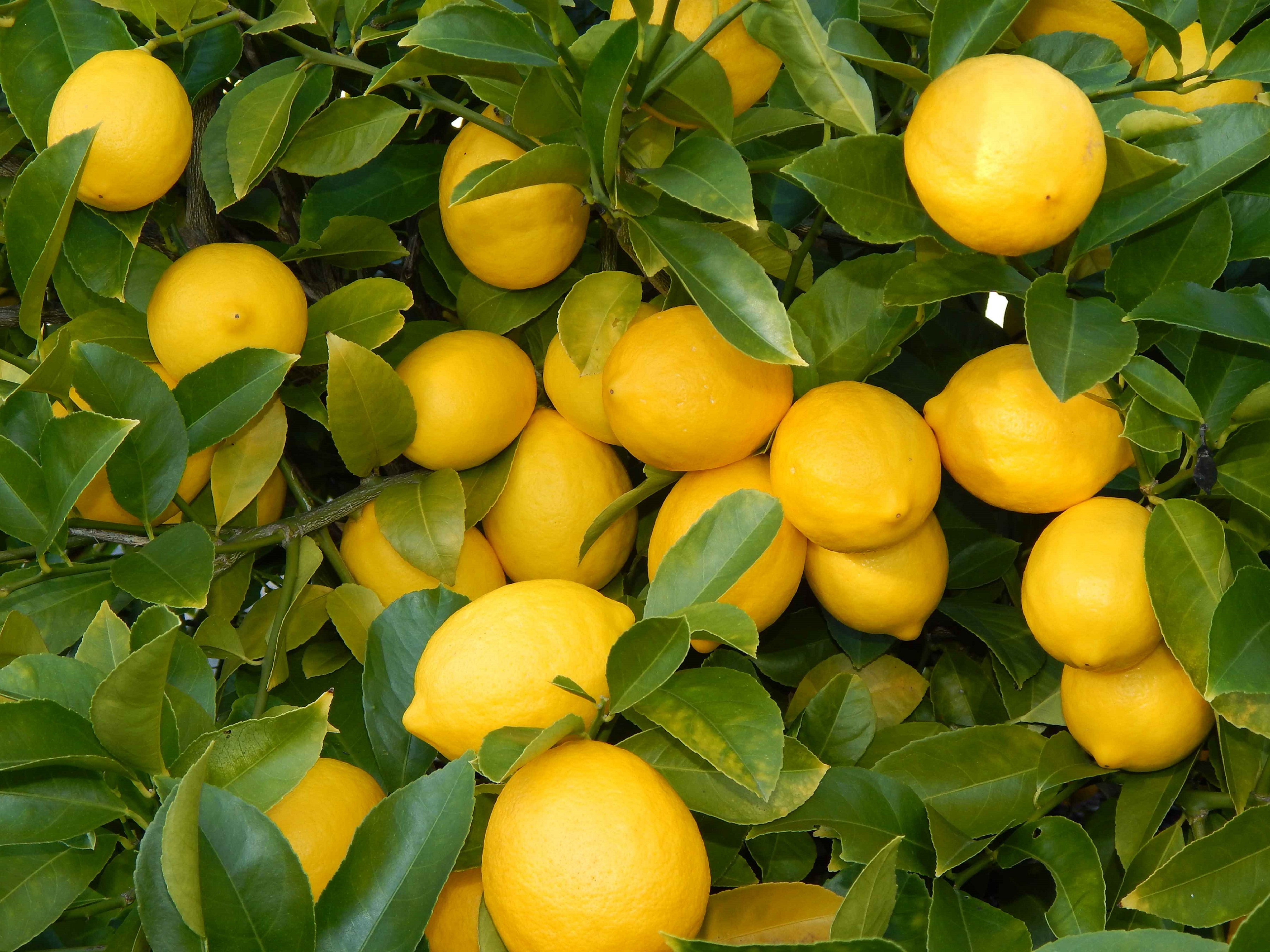
Italy - Lemon production drops by 40%
07.04.2020 798 views
Just like for all other segments, the lemon trend is rather different than usual this year. However, in this case, there are factors that can be traced back to a series of variables that do not apply to other productions. To better understand this, we talked to Francesco Tarallo, a producer from Syracuse.
"Production is 40% lower this year due to the weather in February 2020. The strong winds caused heavy defoliation, which was harsher in seaside areas as the seawater carried by the wind worsened plant conditions."
"With vegetative regrowth in April, in fact, there were more shoot buds than flower buds. After all, the area is affected by the malsecco disease, which has been heavily damaging production for years. To contain or, rather, to mitigate the disease, producers are forced to perform invasive cuts that reduce foliage further reducing production capacity (if the plant survives at all)."
An eye to the market and price formation
"Demand increased considerably, especially in this period, and has led to higher prices also caused by the increase in transport costs. Due to the Covid-19 emergency, in fact, it has become difficult to find return loads for trucks transporting fruit to the north of the country, so costs are entirely borne by companies in the south. Production prices hover around €0.80-0.90/kg. Another factor was the waste generated by citrus blast and black pit, which develops in particular weather conditions."
"In the Mediterranean area, our competitors are mainly Spain, Sicily and Turkey, with the former supplying high-quality produce. We must say that, this year, Spain also faced a few difficulties so we were not affected as much. Turkey is growing a lot with interesting varieties and is increasing the volumes destined mainly to Germany, where a lot of its nationals prefers the Turkish product."
"We are a bit behind when it comes to product presentation and there are no big news when it comes to packaging. There is a lot of talk about innovative solutions and sormabags, which would reduce the use of plastic by 40%, seem to be the best alternative to meet the sustainability levels requested by the Sicilian lemon sector."
"Another problem affecting the sector and the Syracuse area in particular is traceability checks, which are still insufficient. The correctness of label contents is essential, as labels should not just report precise information about the origin of a product, but also report the edibility of the peel. This would strengthen the value of a product in the interests of an entire territory but also to the benefit of final consumers, who have the right to have clear information about the product they wish to purchase."
Source - https://www.freshplaza.com
EVENTS

ScaleAgData Stakeholder Engagement Event
22.10.2024The ScaleAgData project is pleased to invite you to our second stakeholder event. Building on the discussions and connections formed during our first webinar, this event will focus on fostering collaboration among stakeholders, providing updates on our project’s progress, and outlining future opportunities for engagement.
RISK EVENTS

Moldova - May frosts caused heavy damage to fruit orchards
10.05.2026The first frosty nights of May have significantly worsened estimates of damage to Moldova's fruit sector from spring frosts. According to initial assessments by fruit market operators, between a quarter and a third of the country's total orchard area was seriously affected.
27.10.2026
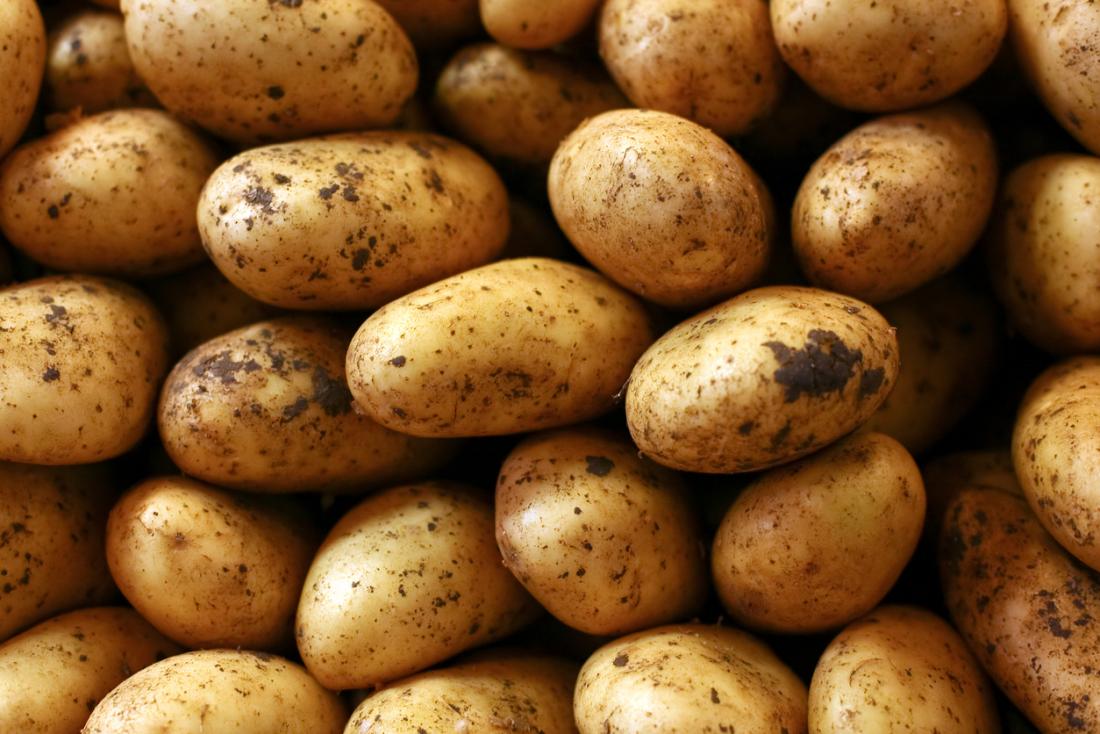
USA - Potato breeding research targets reduced handling damage and crop losses
Potato breeding research is examining how tuber characteristics influence damage during harvesting, storage, grading, and packing. The objective is to increase marketable yields while maintaining crop quality and meeting market specifications.
27.10.2026
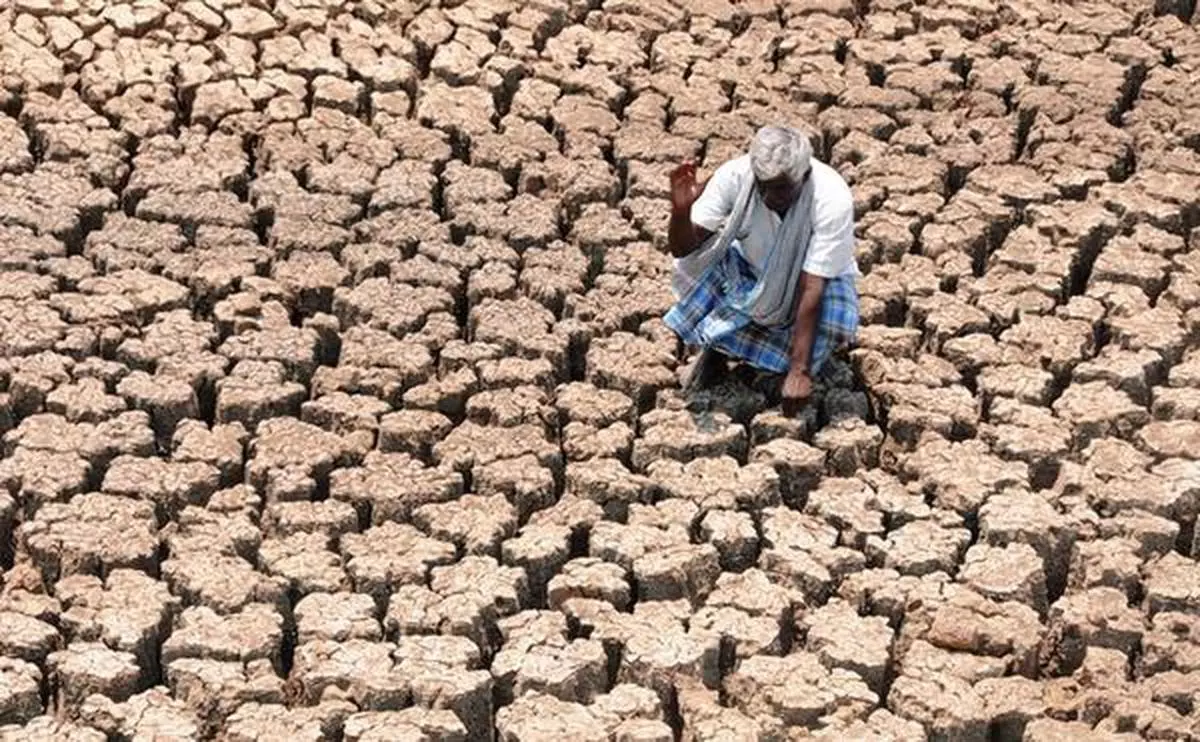
India - Gujarat Drought Relief Triggers Farmer Backlash Over ₹8,500 Aid
Gujarat’s drought relief package has triggered opposition from farmer leaders in Dwarka, who say the proposed assistance of ₹8,500 per hectare is inadequate and have announced a possible agitation from November 12 if the government does not revise the eligibility and assistance norms.
27.10.2026

USA - Fall Covers for Spring Savings incentive program returns
The Illinois Department of Agriculture is launching the eighth year of its Fall Covers for Spring Savings Program.
27.10.2026
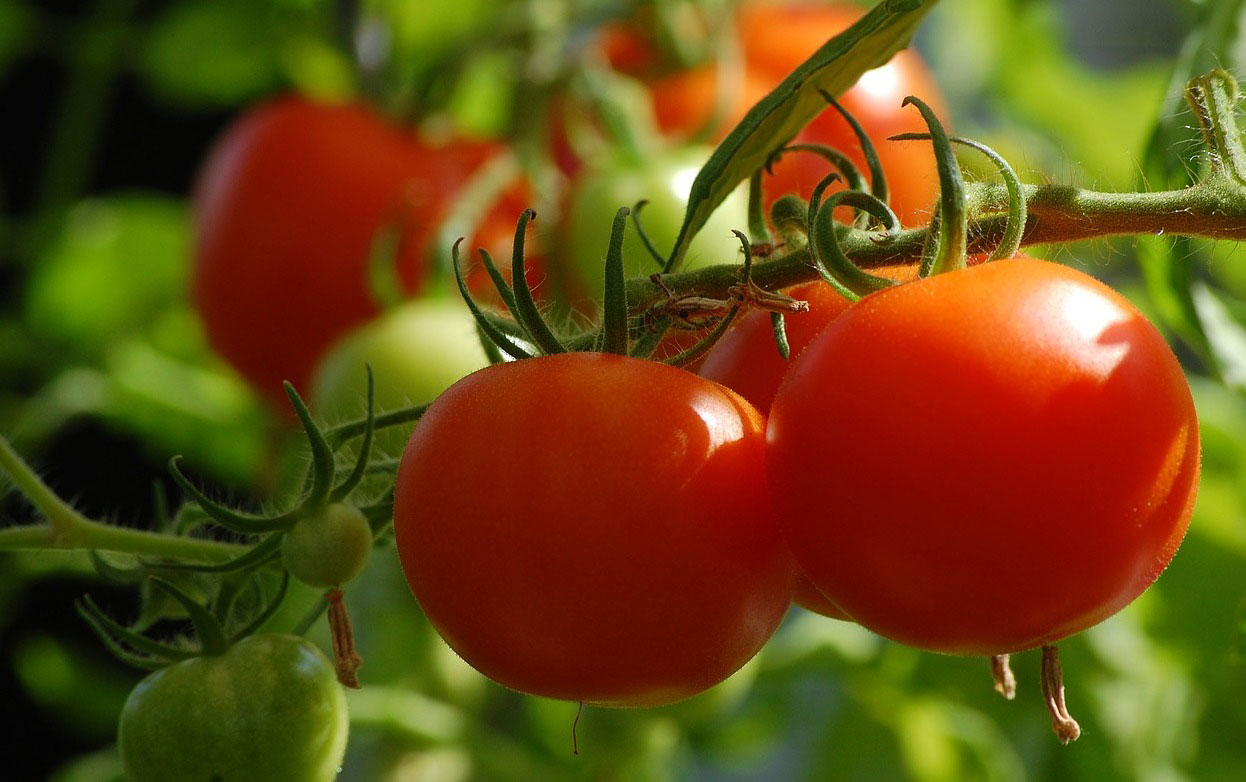
India-Ghana Agricultural Pact targets tomato production, crop research and post-harvest losses
Five-year ICAR–CSIR-CRI agreement puts vegetable research, tuber processing, cold-chain technology and commercialisation at the centre of India-Africa agricultural cooperation.
27.10.2026

India - Tandur Gram Crop Withers Amid Water and Power Shortages
Tandur gram received the Geographical Indication (GI) tag in December 2022, recognising its distinctive identity and quality. However, farmers who cultivate the crop are now struggling to save their produce amid unfavourable conditions.
27.10.2026
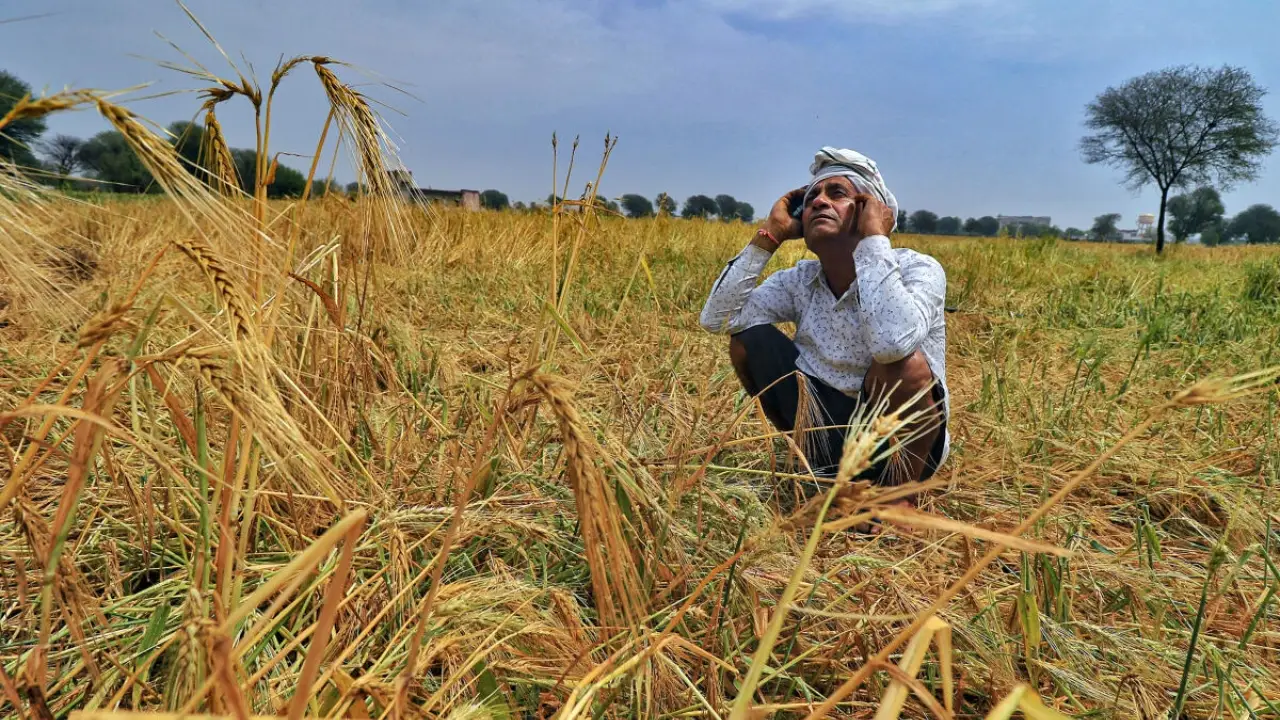
India - Odisha Issues Show-Cause Notice to 6 ADMs Over PMFBY Data Lapses
The Cooperation Department of Odisha has issued show-cause notices to the Additional District Magistrates (ADMs) and PMFBY Nodal Officers of six districts for severe negligence in uploading Crop Cutting Experiment (CCE) data under the Pradhan Mantri Fasal Bima Yojana (PMFBY).
26.10.2026
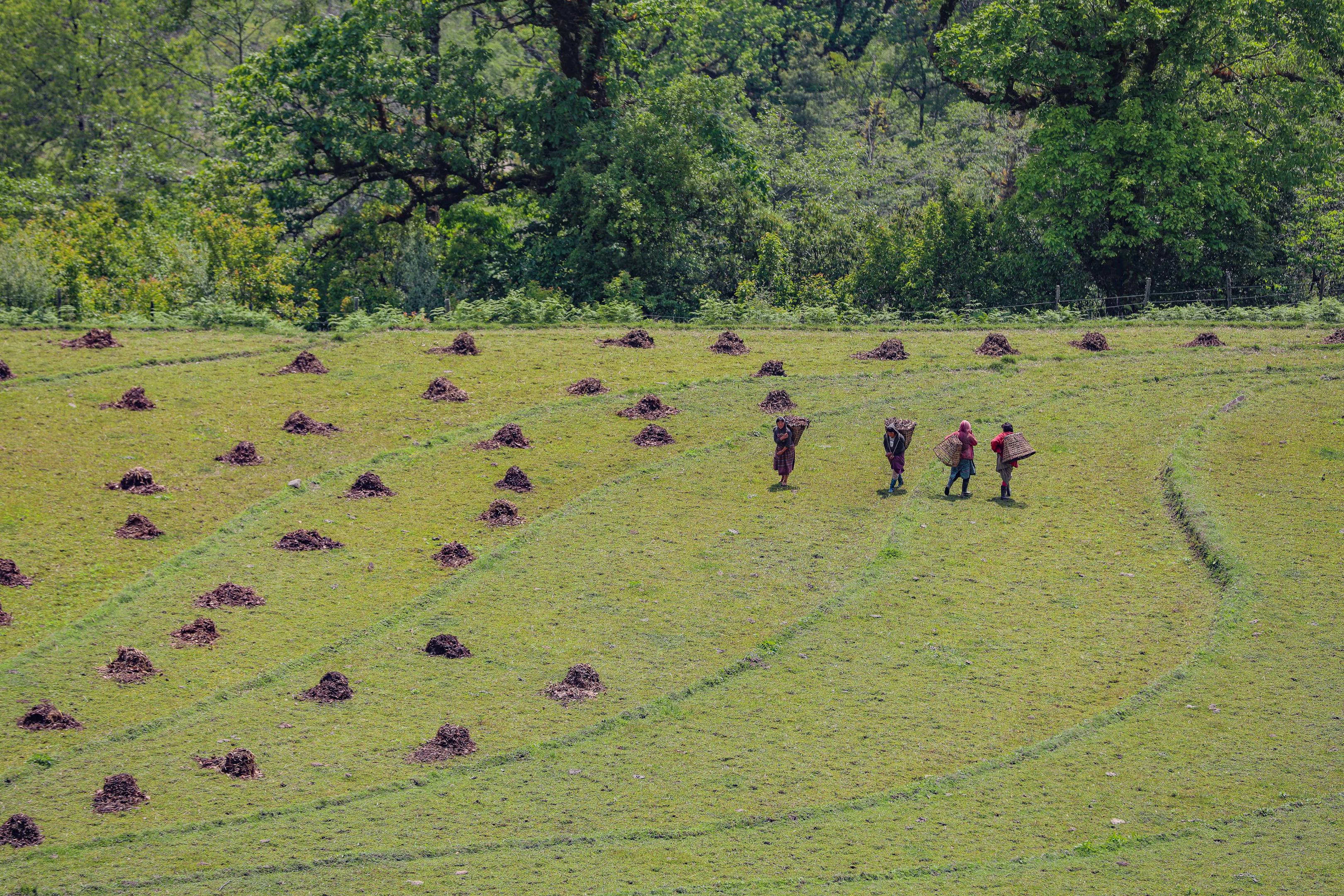
Malaysia studies expanding crop insurance to other agricultural sectors
The government is assessing steps to expand the crop insurance scheme as the agricultural sector faces increasingly significant risks from natural disasters and extreme weather. A comprehensive study is needed before the scheme can be extended beyond rice crops, including to examine how premiums should be paid and losses assessed.
26.10.2026
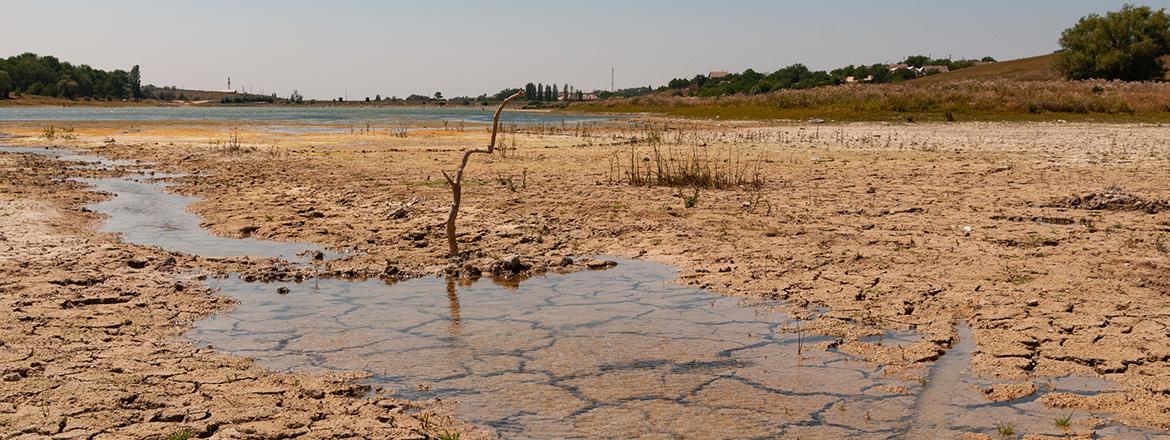
Crop losses from recurring droughts ‘shrinking Poland’s economy and impacting businesses’
A new report has found that lower crop yields significantly affect industries beyond agriculture, including trade and transport.
