New Zealand - Fresh vegetables face contamination risk from floodwaters
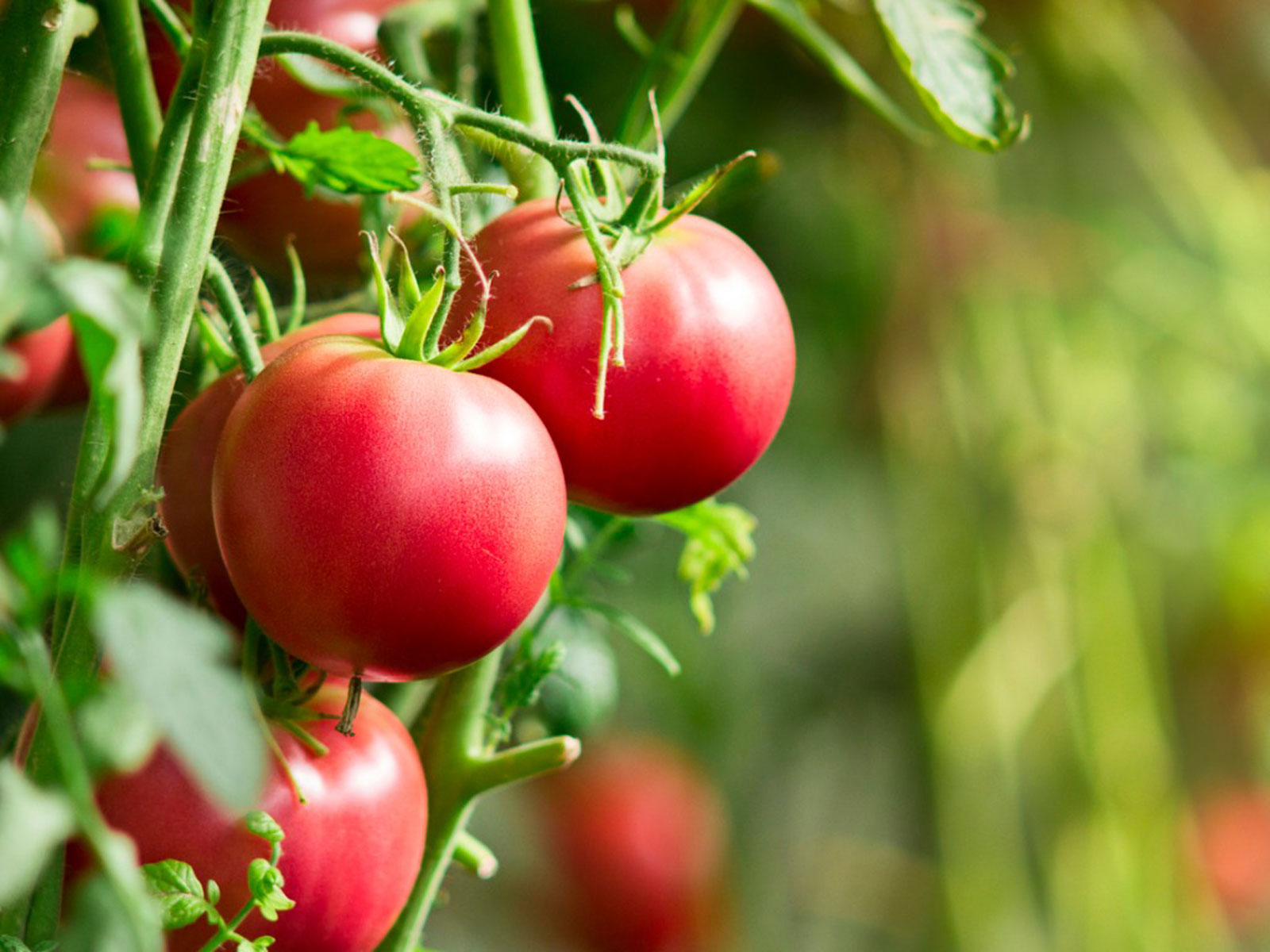
United Fresh New Zealand advises consumers to be prepared for fresh vegetable shortages in the coming weeks as floodwaters throughout the upper North Island impact food safety.
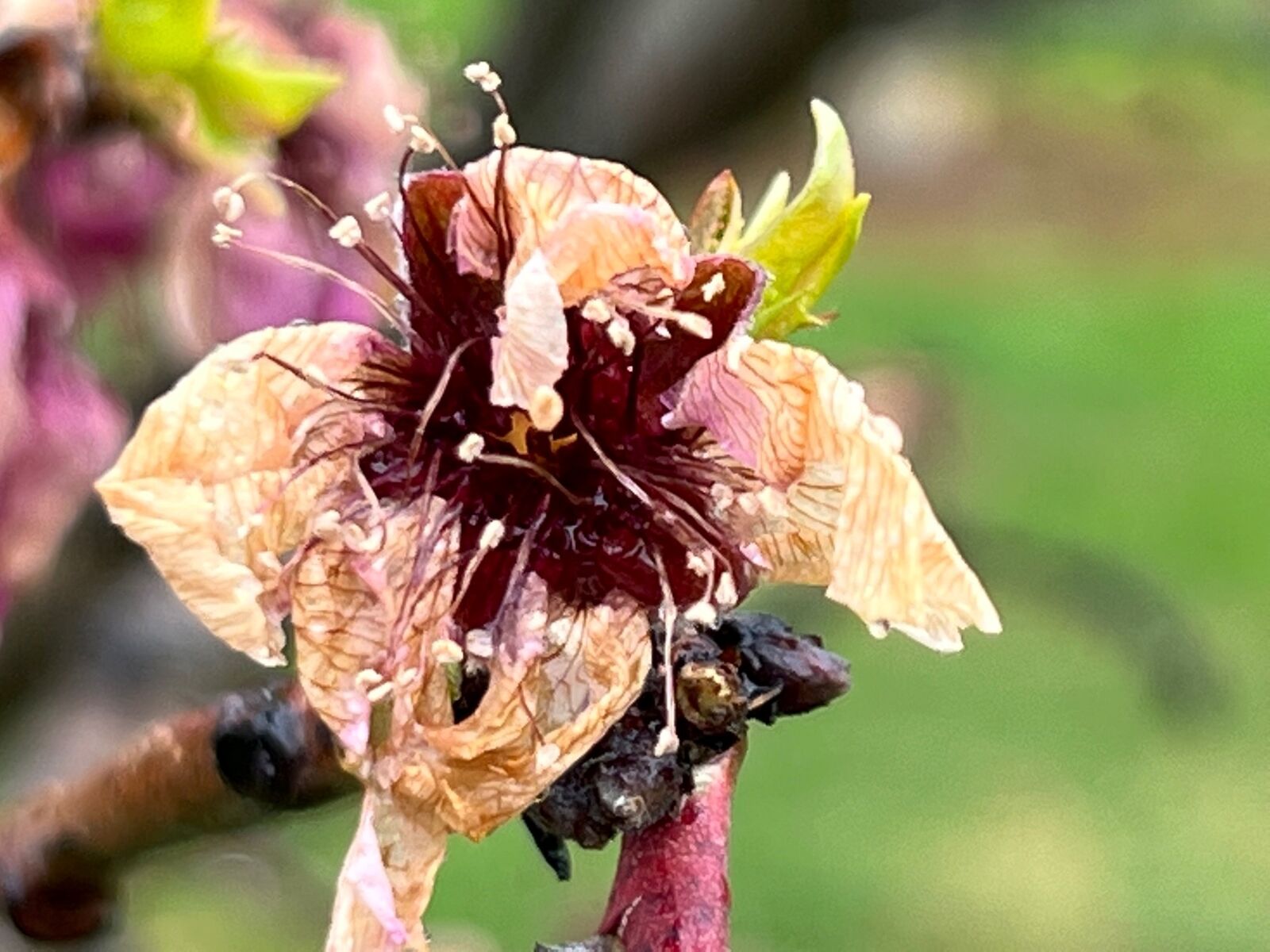
The abnormal temperatures of the past few months caused by climate change favored early sprouting and blossoming in many areas of the peninsula. With the sudden drop in temperatures of the past few days, however, frost will almost certainly occur.
Due to prolonged rains in Vietnam that continued into January, Thomas Walberg predicts a rather poor harvest of cashews in the Southeast Asian country. "The size and quality of the product will certainly be affected.
Scientists from the University of Minnesota's GEMS Informatics Center, and CABI's Dr. Roger Day, Global Advisor, Plant Health, have highlighted how almost the entire African maize crop is grown in areas with climates that support seasonal infestations of thepest.
Walnut farmers are tearing out older trees and less desirable varieties as the price for the nut has plummeted well below the cost of production, causing some growers to rethink walnuts and look for alternative crops.
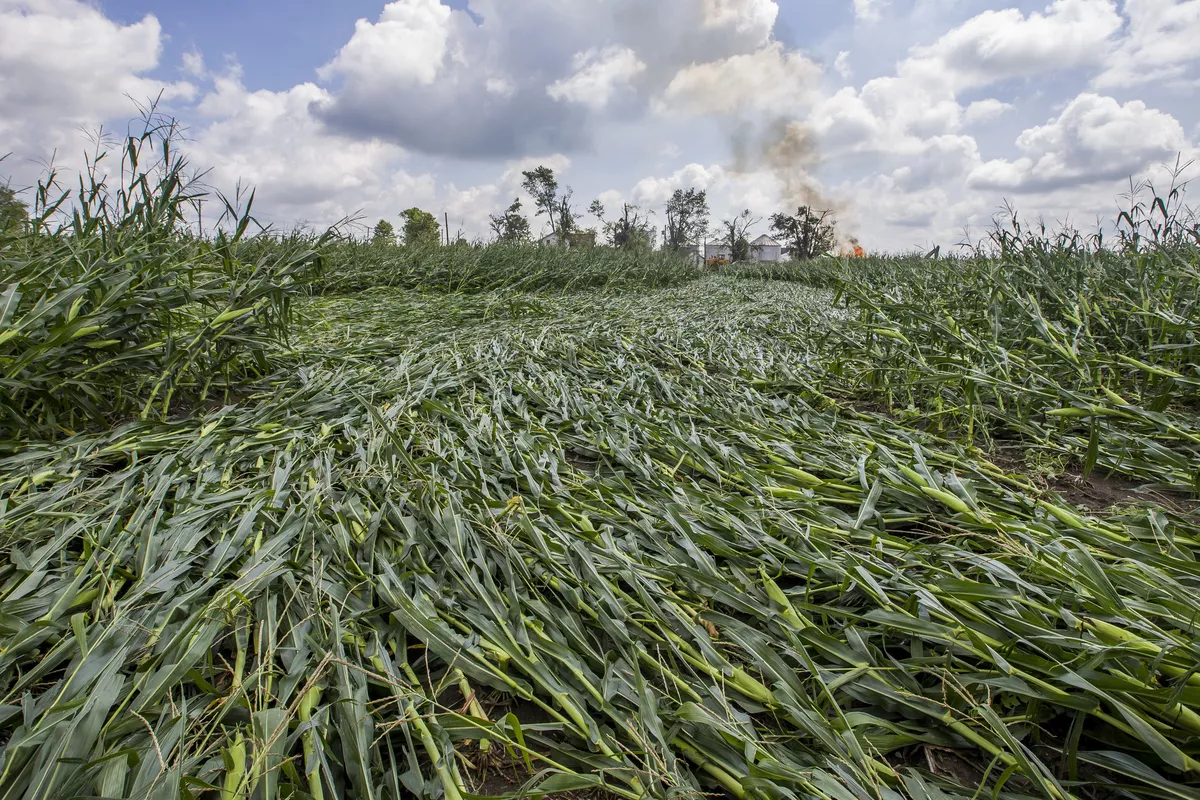
Entire crops have been destroyed after flooding on farms in the upper North Island rural insurers FMG says.Head of claims Nicki Mackay said assessors were evaluated damage in Northland, Auckland, Waikato, and Bay of Plenty, but would not get a complete picture of losses yet as more wet weather was forecast.
In three of the past four years, growers in the Kashmir Valley — which produces 75% of India’s apples — have witnessed major early snowfalls. In the late autumns of 2018, 2019 and 2021, early snows destroyed orchards across the valley.
The excessive rainfall and atmospheric rivers seem to have stopped in California, at least for the moment. They started in early December 2022 and continued until January 27, 2023.
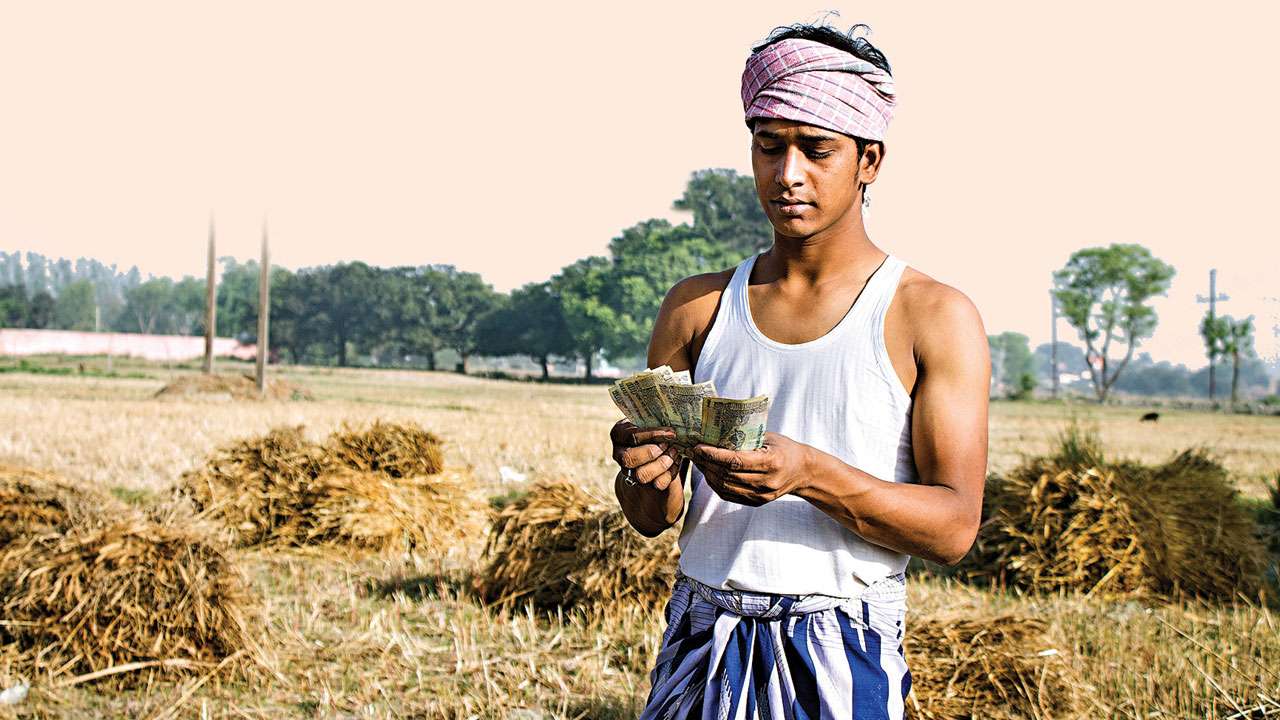
The cotton farmers across Palamuru region are in a lurch as they are not able to get the minimum support price for their produce as the market prices are dwindling downwards leading to heavy losses to the farmers as they are not able to get back their investment on the crop.
Unseasonl warm weather across large swathes of Europe in late December and through most of January has reduced snow cover and roused European grain crops from their winter dormancy, leaving them highly susceptible to any sudden and extreme drop in temperatures.
Carrying withered crop in their hands, a group of farmers from Perilovanpatti submitted petition during the weekly grievances redressal meet held at the Collectorate on Monday.
In the wake of the inclement weather affecting Rabi crop in the state, the Rajasthan government on Monday assured the Legislative Assembly a special ‘Girdawari’ (crop assessment) to assess the damage caused due to hailstorm, frost and cold wave.
2022 marks the fifth year since 2017 that the insurance industry had to disburse over $100 billion to cover the costs of annual natural catastrophe losses, new data reveals - highlighting the worldwide need to speed up and scale climate resilience efforts.
The threat posed by pathogens to global wheat crops is increasing as a result of the effects of climate change, researchers at the GEMS Informatics Centre (GEMS) of the University of Minnesota and non-profit organisation 2Blades Foundation (2Blades) have jointly warned in a new study (published in “Frontiers in Plant Sciences”).
The well-known Desaru Fruit Farm in Malaysia has suffered losses of about RM600,000 (€132,000) after 90 per cent of its orchard was flooded. Desaru Fruit Farm director Alice Tong Ah Chin said water guava, banana, bidara (jujube) and pomelo were among the fruits that were badly damaged when the orchard was flooded on Tuesday.
The Secretary of Agriculture of the Union of Small Farmers (UPA), Antonio Moreno, estimated that the repeated frosts of the last days in large cultivation areas of the Region of Murcia, where the thermometers have fallen to negative values, had affected more than 40% of the flowering of the extra-early fruit in this region.