

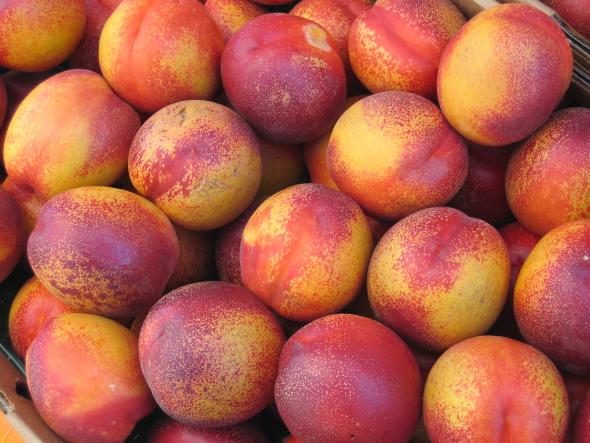
Spain and Italy struggle with stone fruit season due to weather and labor issues
19.05.2020 751 views
Tridge, a global sourcing platform and market intelligence hub for food buyers and suppliers, have reported that the Spanish nectarines and Italian apricots are experiencing difficulties as a result of the Covid-19 pandemic.
20% decrease in Spanish nectarine yield
The harvest season for Spanish nectarines and peaches has started in the regions of Murcia, Catalonia, and Aragon, and is expected to finish late May. Spain shows a consistent export season from March to October, with the peak period between May and September.
However, the yield for the Spanish nectarine market is projected to be 508 million kg, which is a 20% decrease in volume compared to last year. Suppliers are expecting a further decrease in harvest volume due to labor shortages from Covid-19. While Spain has not implemented any major restrictions, it is estimated that up to 40% of the workforce will be impacted as migrant workers from Morocco, Belarus, and Ukraine are not allowed to enter the country.
Spain is the biggest exporter of nectarines and peaches, with its main export markets including Germany, France, Italy, and the UK. With export volume totaling 829.4K tons in 2019, the demand for the fruits has increased by 23% this year. Yet, increased demand and labor shortages have seen the wholesale price of nectarines surge by up to 43%, which could soften the blow of the smaller harvest. For example, the white nectarine has increased from EUR 1.50 to EUR 2.13, while the yellow nectarine has increased from EUR 1.50 to EUR 2.15.
Frost hampers Italian apricot production
Italy is the second-biggest exporter of apricots, reaching an export volume of 56.3K tons in 2019. The expected production for 2020, however, has been hampered by frosts that occurred in late March and early April, with production in Northern Italy affected the most. The Northern Emilia Romagna region has seen the biggest estimated production decrease of almost 90% compared to last year.
The total Italian production volume for 2020 is expected to be 136K tons, a 56% decrease from approximately 307K tons in 2019. While suppliers have seen increases in demand from Central and Northern regions, there has been very little demand from the South. Apricot producers are also left with more obstacles to overcome as a decreased number of workers has left the farms with a shortage of labour to harvest the fruits.
Hoshik Shin, founder and CEO at Tridge, said: “While there are many external factors that can determine the success of a harvest season, normally the primary influencer is the weather. Unfortunately, some harvest seasons have been negatively impacted due to Covid-19, meaning that labor shortages are contributing to decreases in harvest levels. This means that low prices cannot be easily maintained”.
Source - https://www.freshplaza.com
EVENTS

ScaleAgData Stakeholder Engagement Event
22.10.2024The ScaleAgData project is pleased to invite you to our second stakeholder event. Building on the discussions and connections formed during our first webinar, this event will focus on fostering collaboration among stakeholders, providing updates on our project’s progress, and outlining future opportunities for engagement.
RISK EVENTS

Moldova - May frosts caused heavy damage to fruit orchards
10.05.2026The first frosty nights of May have significantly worsened estimates of damage to Moldova's fruit sector from spring frosts. According to initial assessments by fruit market operators, between a quarter and a third of the country's total orchard area was seriously affected.
22.10.2026

USA - Cotton Producers Face New ARC PLC Decision Deadline
The special provision giving producers the higher of ARC or PLC for 2025 will not continue next year.
22.10.2026

Pakistan - Punjab unveils £300,000 climate-resilient agriculture project for Cholistan and Thal
The Government of Punjab announced a 300,000-pound pilot project to establish climate-resilient agriculture across arid desert regions. The 12-month targeted initiative specifically focuses on farming communities operating within the vulnerable Cholistan and Thal desert ecosystems.
22.10.2026
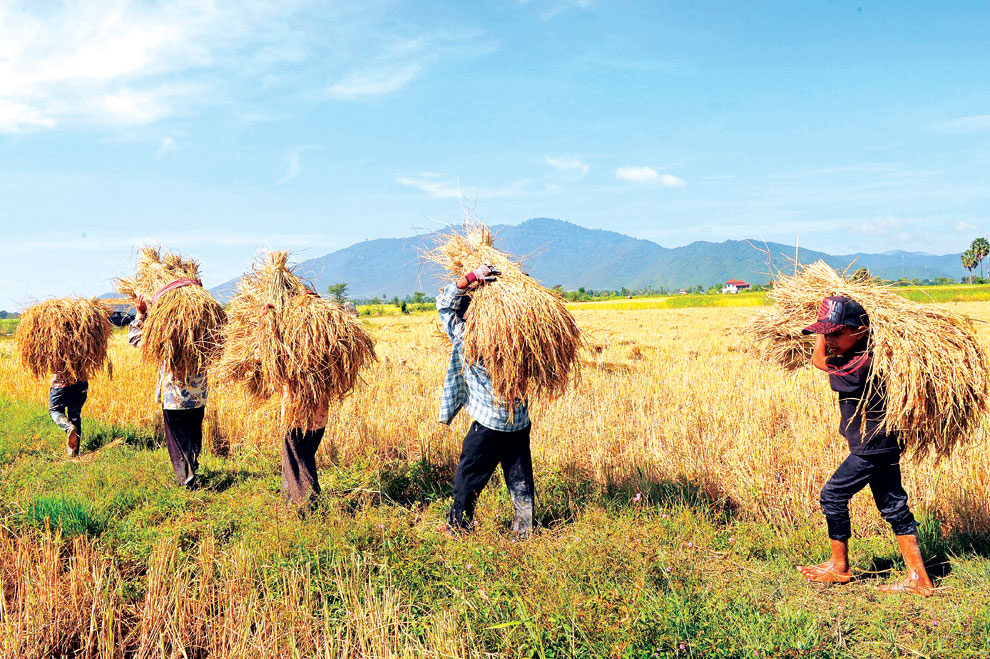
Cambodia looks into insurance scheme for agricultural cooperatives
Cambodia's Ministry of Agriculture, Forestry and Fisheries (MAFF) is looking into a disaster-related insurance scheme designed for modern agricultural cooperatives.
22.10.2026

USA - Dec. 1 deadline set for 2027 pasture and forage insurance
Northeast farmers have until Dec. 1 to secure Pasture, Rangeland and Forage insurance coverage for the 2027 crop year, according to Crop Growers.
22.10.2026
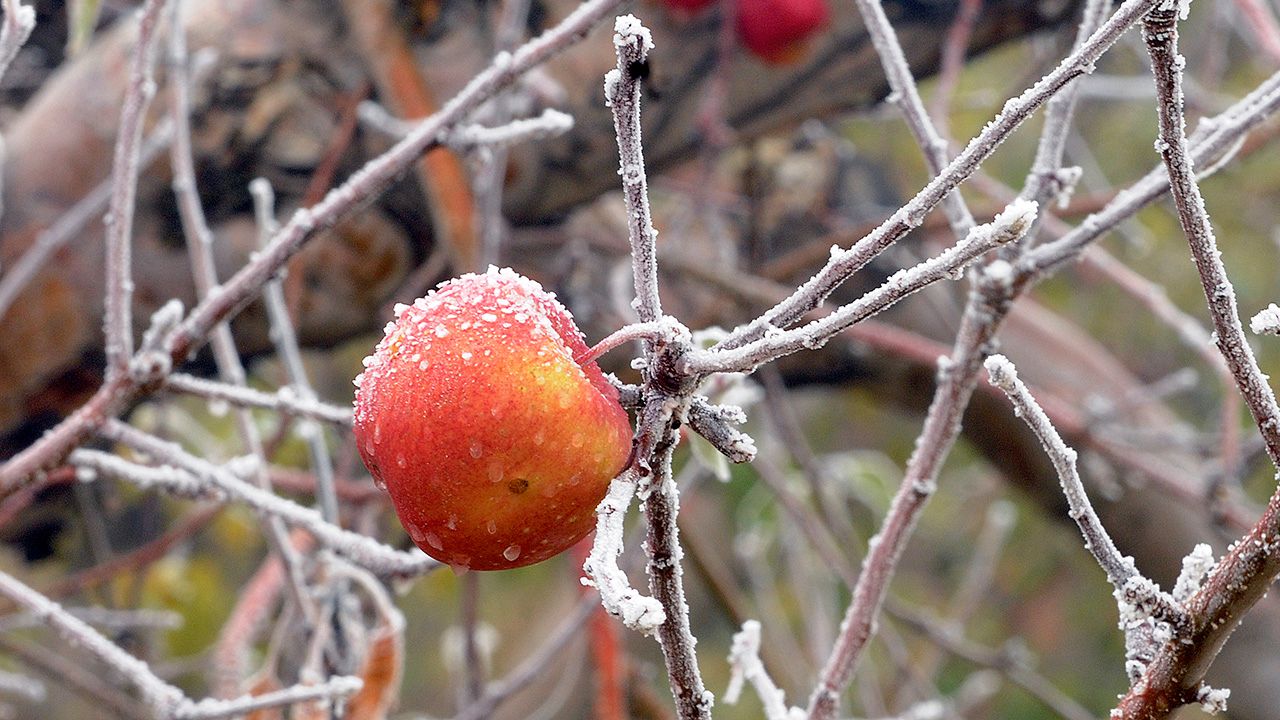
Spring frost hits Polish apple varieties unevenly
Spring frosts have affected Polish apple varieties differently this season, with some performing better than initially expected and others facing substantial losses.
22.10.2026

Spain - Flooded fields in Valencia and Alicante and 130 hectares of greenhouses affected in Almería
The arrival of storm Adam on the Mediterranean coast has brought heavy rainfall that has hit the Valencia region hardest, particularly the coastlines of the provinces of Valencia and Alicante, though the inclement weather has also hit other regions including Andalusia, Catalonia, and the Balearic Islands.
21.10.2026
India - Government launches Pashudhan Bima Portal to streamline livestock insurance, claims and monitoring
The Government today launched Pashudhan Bima Portal in New Delhi. The Portal will provide a single, integrated digital platform for livestock insurance, enabling streamlined policy issuance, claim processing, monitoring and reporting in case of animals insured under the Livestock Insurance Scheme of the Department of Animal Husbandry and Dairying.
21.10.2026

Malaysia - Perak Perhilitan monitoring elephant herd after crop destruction complaints
The Perak Department of Wildlife and National Parks (Perhilitan) has received six official complaints this year from oil palm smallholders in Kampung Perlop 1, Sungai Siput, over wild elephants destroying crops and plantation infrastructure.
