

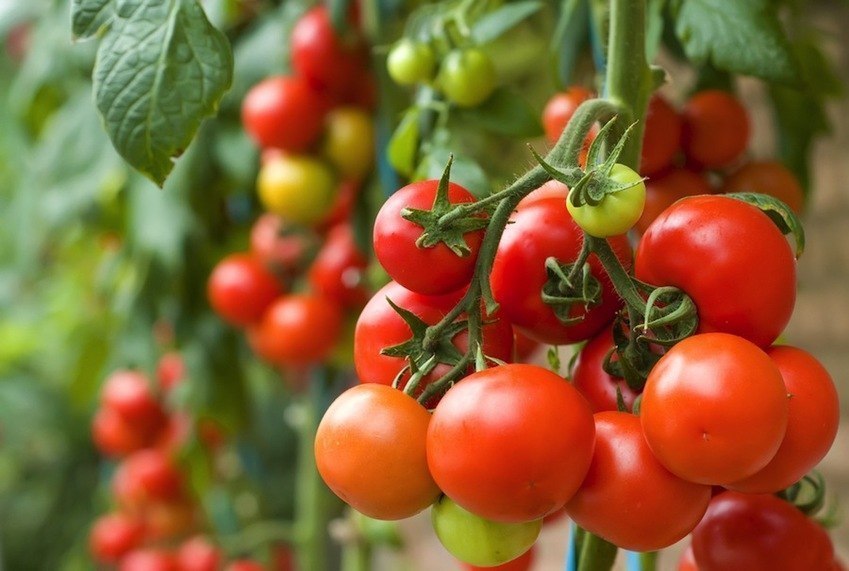
Spain - Tomato brown rugose fruit virus detected
03.12.2019 746 views
The last country where the Tomato brown rugose fruit virus (ToBRFV) has been detected is Spain. Rafael Sánchez Trujillo, head of the Plant Health Service of the Government of Andalusia, has spoken about the detection of the virus in a greenhouse in Almeria during the Semilla Innova congress, which has been held in Almería. The Government of Andalusia cannot yet confirm the detection, as it is waiting for Brussels' response after providing a report about the virus' progress to the European Commission. Since this virus has a quarantine status, it is mandatory to report it to the EU.
For now, the Almeria greenhouse is isolated and all contaminated plantations have been treated according to the protocols established for this situation. "All the risks have been minimized to ensure that neighboring farms are protected," says Rafael, comparing the handling of the situation with that of the Xylella fastidiosa outbreak a few years ago, which was eradicated.
Innocuous for humans and animals
The virus is harmless to humans and animals, but can cause serious damage to crops. In addition, it is very contagious and can be transmitted easily. Since it was first identified, the virus has been detected in Germany, California, Mexico, Italy, Greece, China, Israel, Jordan and the United Kingdom.
It is also spreading in the Netherlands. In total, it has been detected in 10 greenhouses: 6 in the Westland region and 4 outside it. In addition, there are serious suspicions of the presence of this virus in another 7 greenhouses.
Although there is no official confirmation from government agencies, it is also claimed that there are contaminated greenhouses in the United States and Canada, although strict hygiene measures have helped producers eradicate the virus.
Hygiene
Since there is no vaccine or resistant varieties to fight ToBRFV, the virus has to be eradicated by thorough cleaning of greenhouses. "Biosecurity is our main defense and prevention is key." This is the general thinking and the reason that many greenhouses are currently closed to visitors.
Since many Spanish producers cultivate in the soil, the virus is expected to be very dangerous for the country. A similar situation has occurred in Italy, where it is said that the virus won't stop spreading.
ToBRFV belongs to the group of tobamoviruses, formed by about 30 variants. The crops most affected by ToBRFV are tomatoes and peppers. In tomatoes, it causes chlorosis, mosaic and mottling with narrowing of the leaves. Occasionally, necrotic spots appear on the stem, chalice and leaf stalks. Yellow or brown spots can appear on the fruits, as well as a roughness that makes it impossible to put them on the market. The fruits can also suffer malformations and irregularities in the ripening.
Source - https://www.freshplaza.com
EVENTS

ScaleAgData Stakeholder Engagement Event
22.10.2024The ScaleAgData project is pleased to invite you to our second stakeholder event. Building on the discussions and connections formed during our first webinar, this event will focus on fostering collaboration among stakeholders, providing updates on our project’s progress, and outlining future opportunities for engagement.
RISK EVENTS

Moldova - May frosts caused heavy damage to fruit orchards
10.05.2026The first frosty nights of May have significantly worsened estimates of damage to Moldova's fruit sector from spring frosts. According to initial assessments by fruit market operators, between a quarter and a third of the country's total orchard area was seriously affected.
26.10.2026
Malaysia studies expanding crop insurance to other agricultural sectors
The government is assessing steps to expand the crop insurance scheme as the agricultural sector faces increasingly significant risks from natural disasters and extreme weather. A comprehensive study is needed before the scheme can be extended beyond rice crops, including to examine how premiums should be paid and losses assessed.
26.10.2026
Crop losses from recurring droughts ‘shrinking Poland’s economy and impacting businesses’
A new report has found that lower crop yields significantly affect industries beyond agriculture, including trade and transport.
26.10.2026

Australia - Starving flying foxes target banana, berry farms on NSW Mid North Coast
Tens of thousands of bananas will not make it onto supermarket shelves as flying foxes decimate crops on the NSW Mid North Coast.
26.10.2026
USA - RMA Reminds Producers of Important Crop Insurance Deadlines
The U.S. Department of Agriculture (USDA) reminds agricultural producers that the final date to apply for or make changes to their existing crop insurance coverage is quickly approaching for winter planted crops, perennials, shellfish and Pasture, Rangeland, Forage (PRF). Sales closing dates vary by crop and location, but the next major deadlines are Nov. 20, Nov. 30, Dec. 1 and Jan. 31.
26.10.2026
Moroccan produce sector welcomes plan for regional distribution companies
Morocco's fresh produce industry, through FIFEL, has welcomed the government's plan to create fresh produce marketing companies. Last Friday, Minister of Economy and Finance Fouzi Lekjaa told the House of Representatives' Finance and Economic Development Committee that the government intends to set up six regional companies for aggregation and marketing in the country's main agricultural basins, under the Generation Green 2020-2030 strategy.
26.10.2026
UK - Man arrested after £28,000 paid out for allegedly stolen sheep
Police are investigating suspected fraudulent insurance claims involving more than 650 allegedly stolen sheep, with £28,220 already paid out and a further £64,800 claim blocked.
25.10.2026

Dominican Republic - Tornado and rain cause crop damage in Valverde
A gust of wind described by producers and agricultural authorities as a small tornado caused considerable damage to banana and plantain plantations in Valverde province, where heavy rains on Wednesday afternoon affected hundreds of acres of crops and threaten the income of farmers in the area.
25.10.2026
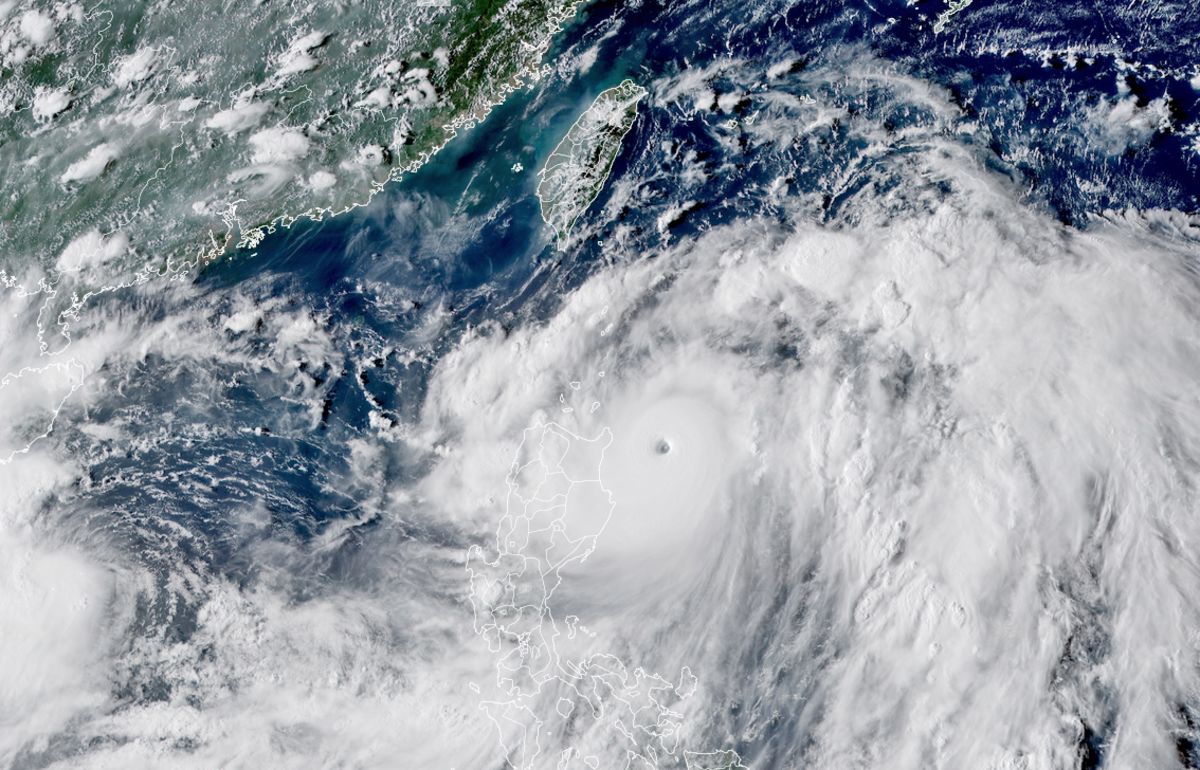
Taiwan - Typhoon Champi causes NT$133 million in agricultural losses
Yunlin accounts for 82% of estimated damage, with garlic hit hardest.
