

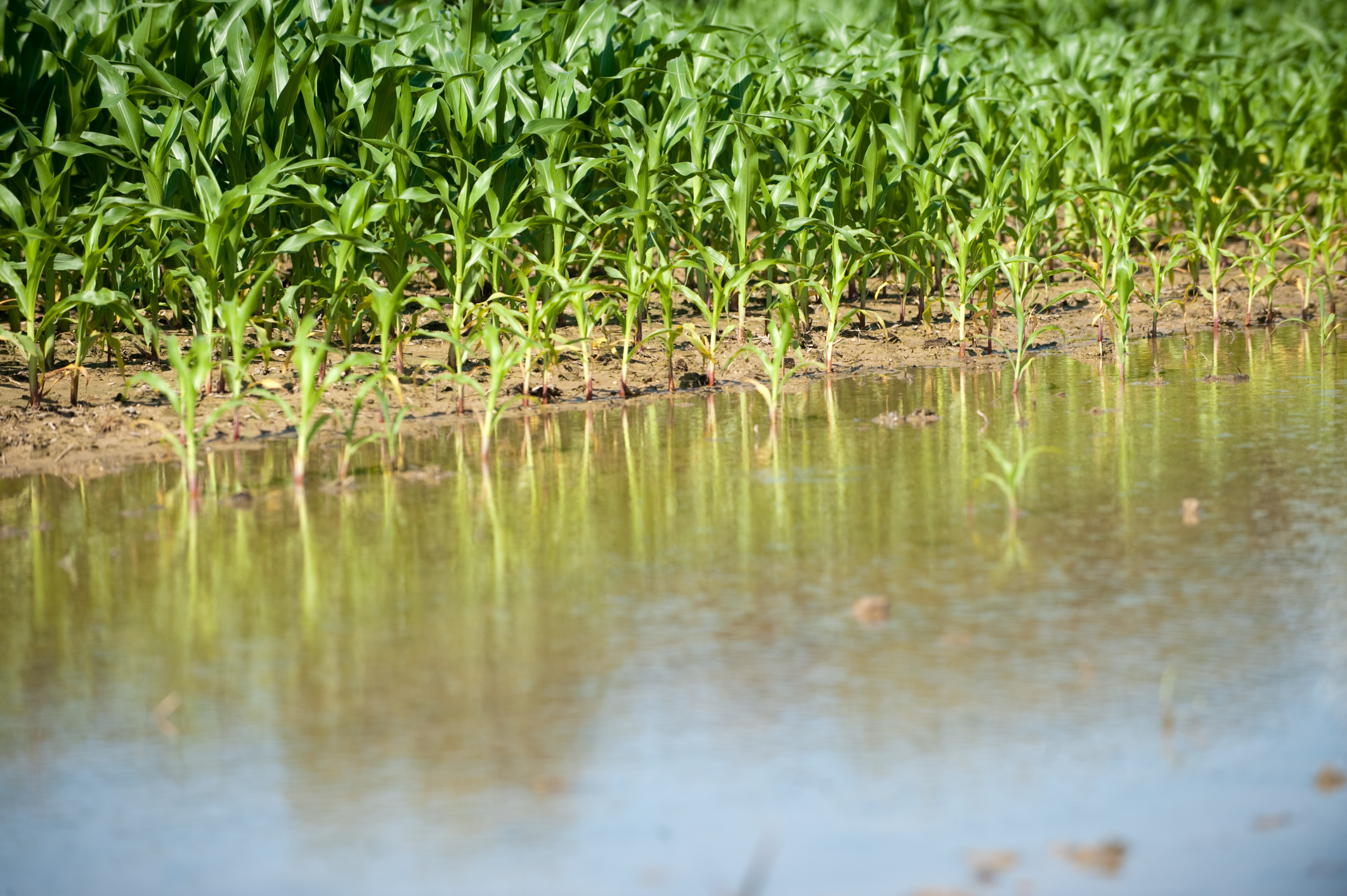
USA - Haley says she won't seek direct aid for destroyed crops
08.12.2015 598 views
Farmers packed the Statehouse on Monday to beg Gov. Nikki Haley to ask Congress for money to offset their estimated $376 million in losses from last month's historic flooding.
But the Republican governor is unwavering in her refusal.
Farmers should have federally subsidized crop insurance, and under-insured farmers shouldn't be bailed out, her office said.
Last week, Haley asked the state's congressional delegation for $140 million to help homeowners, many of whom had no flood insurance. Her letter did not include any direct aid for farmers. Instead, she asked the U.S. Department of Agriculture to expedite insurance payments to farmers.
"The governor does not believe we should treat farmers differently than any other business owner in South Carolina," said her spokeswoman Chaney Adams.
Her stance puts her at odds with GOP Agriculture Commissioner Hugh Weathers and Republican legislators. A Senate panel studying the storm's cost voted unanimously before the farmers' news conference to send Haley a letter urging her to change her mind. At the event, several Republican House members took the podium to ask her to sign the request.
Even for those with insurance, payments won't come close to covering farmers' costs, Weathers said.
"If every farm in South Carolina had picked the best crop insurance options available, the insurance proceeds still would not cover the basic cost of putting that acre of corn, cotton, soybeans in the ground," Weathers told the Senate panel.
Losses didn't stop with the initial flooding. While the Oct. 2-5 storm that dumped 2 feet of rain on parts of the state did the bulk of the damage, the continued rainfall worsened the problem, as crops rotted in the fields, Weathers said.
The estimated losses include $330 million worth of crops destroyed or damaged in the field at harvest time and $46 million in winter crops that can't be planted in the muck, Weathers said.
While Haley's advocacy wouldn't automatically cause Congress to put the money in the federal budget, a request won't be seriously considered without her backing, Weathers said.
"Please request the funds and help save our communities," said fourth-generation farmer Jeremy Cannon of Turbeville, who was among hundreds of farmers who crowded outside Haley's office. "There is no revenue. We need your help, and we need it fast."
State Farm Bureau President Harry Ott, elected to the job Saturday, said farms are different than other small businesses.
"We spend money 11 months out of the year so we can harvest one month of the year," said Ott, a St. Matthews farmer and the state House's former Democratic leader. "Unfortunately, this year the flood occurred right at harvest season."
Farm loans are coming due Dec. 31, and the banks will start sending out unpaid notices in January, he said.
"Without this federal assistance, there will be family farms foreclosed on, and generational farmers will find themselves with their property sold on the steps of the courthouse," Ott said.
Most of the state's 25,000 farmers were affected, he said.
Like other businesses, farmers can apply for emergency, low-interest loans from the federal government. But they must prove they can't get credit from a bank, while also showing they have the cash flow to pay for a loan. Many farmers already are deep in debt on fields where equipment literally can't "stand up," Weathers said. "It would sink in the mud."
Rep. Mac Toole, R-West Columbia, said farmers have had the worst possible year, with devastating floods following the summer's drought. Farmers are being forced to spend more money to harvest fewer acres of crops of diminishing worth, he said.
"If ever farmers needed assistance, this is the situation," he said.
Source - http://www.chron.com
EVENTS

ScaleAgData Stakeholder Engagement Event
22.10.2024The ScaleAgData project is pleased to invite you to our second stakeholder event. Building on the discussions and connections formed during our first webinar, this event will focus on fostering collaboration among stakeholders, providing updates on our project’s progress, and outlining future opportunities for engagement.
RISK EVENTS

Moldova - May frosts caused heavy damage to fruit orchards
10.05.2026The first frosty nights of May have significantly worsened estimates of damage to Moldova's fruit sector from spring frosts. According to initial assessments by fruit market operators, between a quarter and a third of the country's total orchard area was seriously affected.
26.10.2026
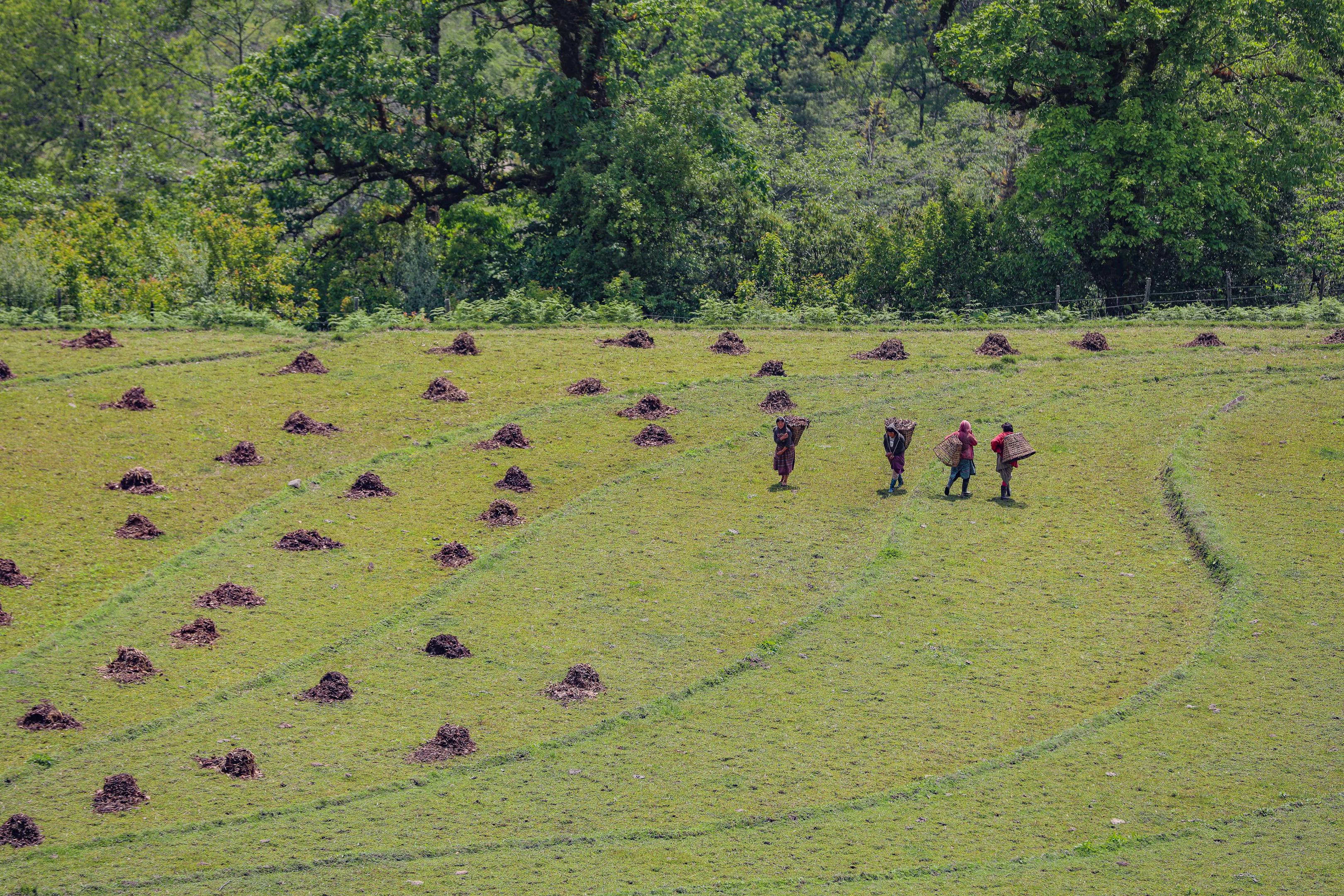
Malaysia studies expanding crop insurance to other agricultural sectors
The government is assessing steps to expand the crop insurance scheme as the agricultural sector faces increasingly significant risks from natural disasters and extreme weather. A comprehensive study is needed before the scheme can be extended beyond rice crops, including to examine how premiums should be paid and losses assessed.
26.10.2026
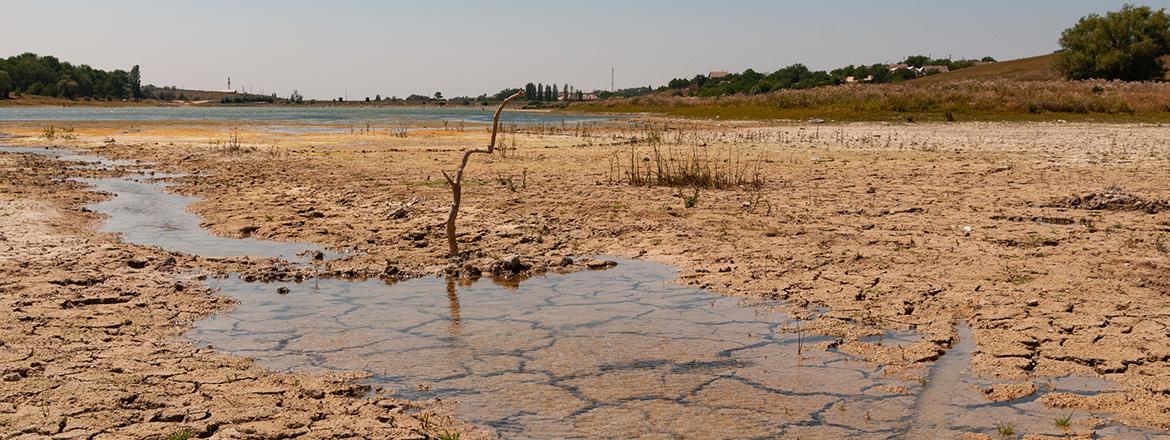
Crop losses from recurring droughts ‘shrinking Poland’s economy and impacting businesses’
A new report has found that lower crop yields significantly affect industries beyond agriculture, including trade and transport.
26.10.2026

Australia - Starving flying foxes target banana, berry farms on NSW Mid North Coast
Tens of thousands of bananas will not make it onto supermarket shelves as flying foxes decimate crops on the NSW Mid North Coast.
26.10.2026
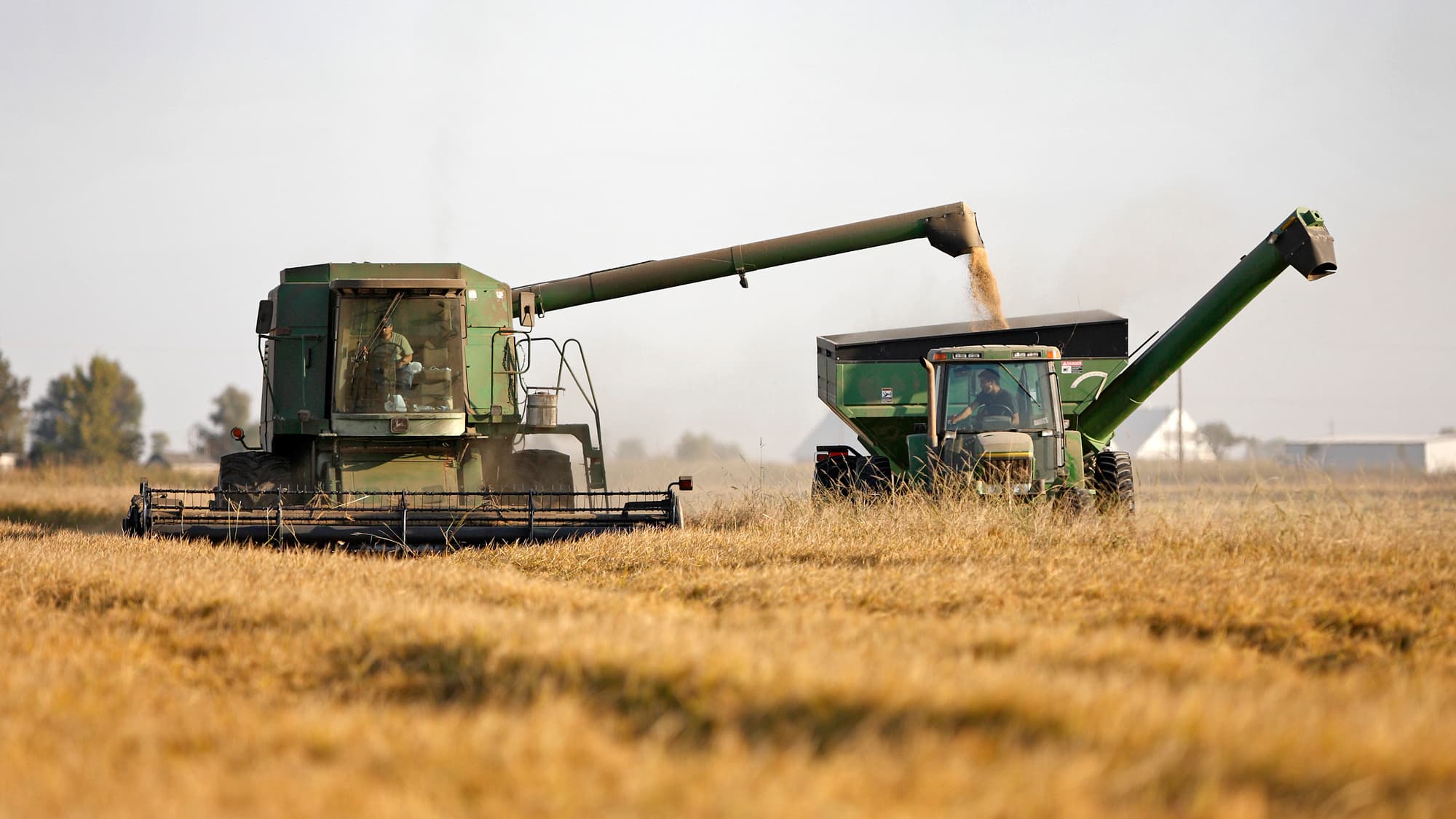
USA - RMA Reminds Producers of Important Crop Insurance Deadlines
The U.S. Department of Agriculture (USDA) reminds agricultural producers that the final date to apply for or make changes to their existing crop insurance coverage is quickly approaching for winter planted crops, perennials, shellfish and Pasture, Rangeland, Forage (PRF). Sales closing dates vary by crop and location, but the next major deadlines are Nov. 20, Nov. 30, Dec. 1 and Jan. 31.
26.10.2026
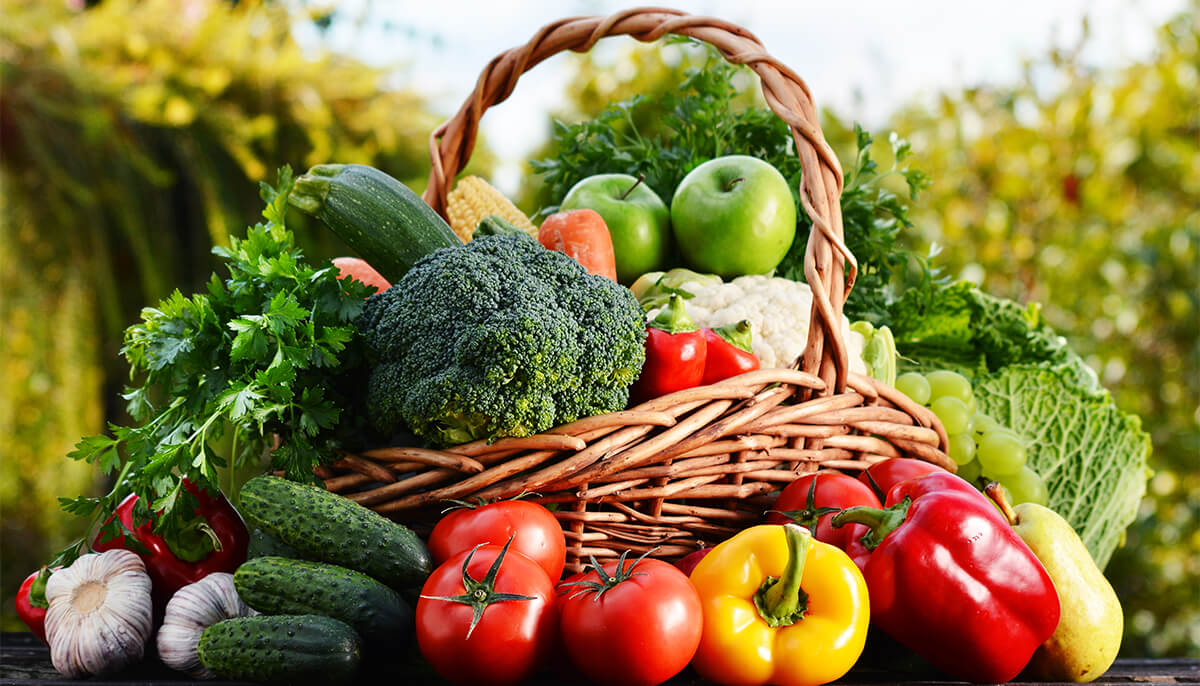
Moroccan produce sector welcomes plan for regional distribution companies
Morocco's fresh produce industry, through FIFEL, has welcomed the government's plan to create fresh produce marketing companies. Last Friday, Minister of Economy and Finance Fouzi Lekjaa told the House of Representatives' Finance and Economic Development Committee that the government intends to set up six regional companies for aggregation and marketing in the country's main agricultural basins, under the Generation Green 2020-2030 strategy.
26.10.2026
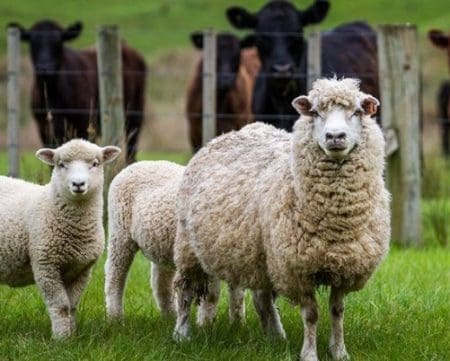
UK - Man arrested after £28,000 paid out for allegedly stolen sheep
Police are investigating suspected fraudulent insurance claims involving more than 650 allegedly stolen sheep, with £28,220 already paid out and a further £64,800 claim blocked.
25.10.2026

Dominican Republic - Tornado and rain cause crop damage in Valverde
A gust of wind described by producers and agricultural authorities as a small tornado caused considerable damage to banana and plantain plantations in Valverde province, where heavy rains on Wednesday afternoon affected hundreds of acres of crops and threaten the income of farmers in the area.
25.10.2026
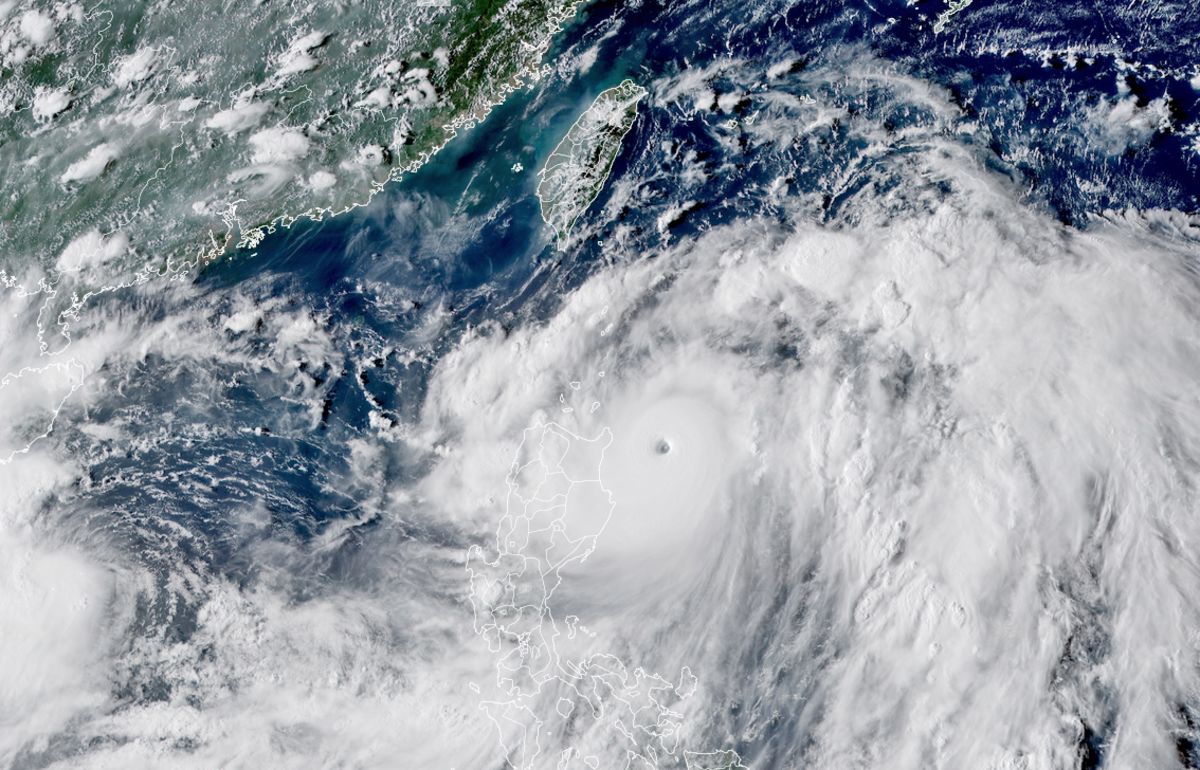
Taiwan - Typhoon Champi causes NT$133 million in agricultural losses
Yunlin accounts for 82% of estimated damage, with garlic hit hardest.
