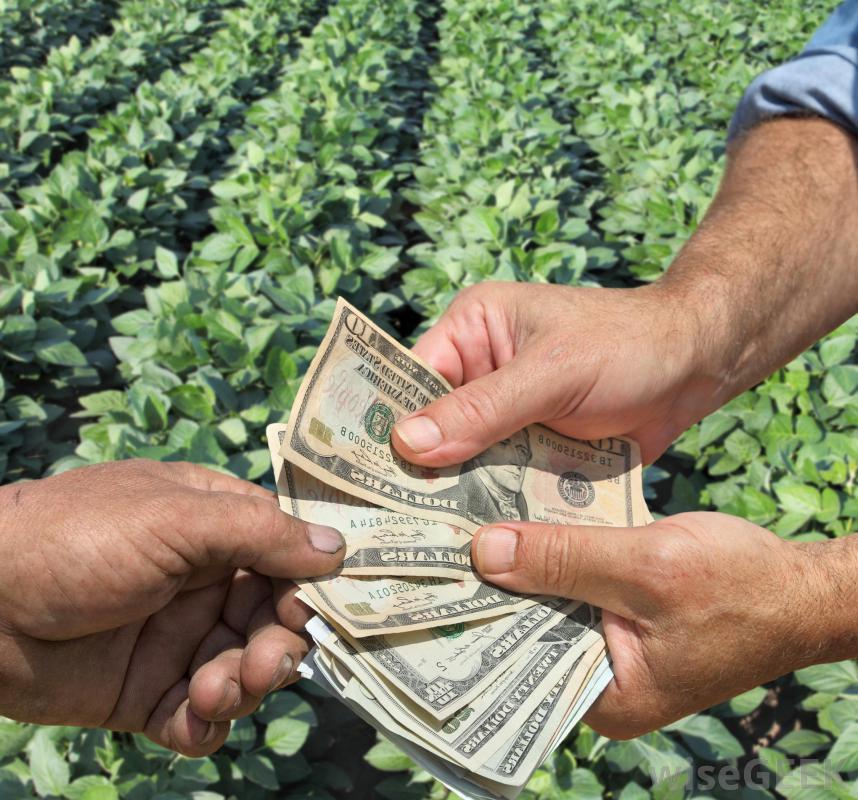
The U.S. Department of Agriculture says more than $1 billion in payments will be released over the next several weeks starting June 15 for agricultural producers with approved applications for the Quality Loss Adjustment Program and for producers who have already received payments through the Wildfire and Hurricane Indemnity Program Plus (WHIP+).
Those U.S. Department of Agriculture programs provide disaster assistance to producers who suffered losses to 2018 and 2019 natural disasters. Sen. John Hoeven, R-N.D., said producers previously received only 50% of their 2019 payment. With the additional WHIP+ payments, producers will receive 90% of 2019 indemnities.
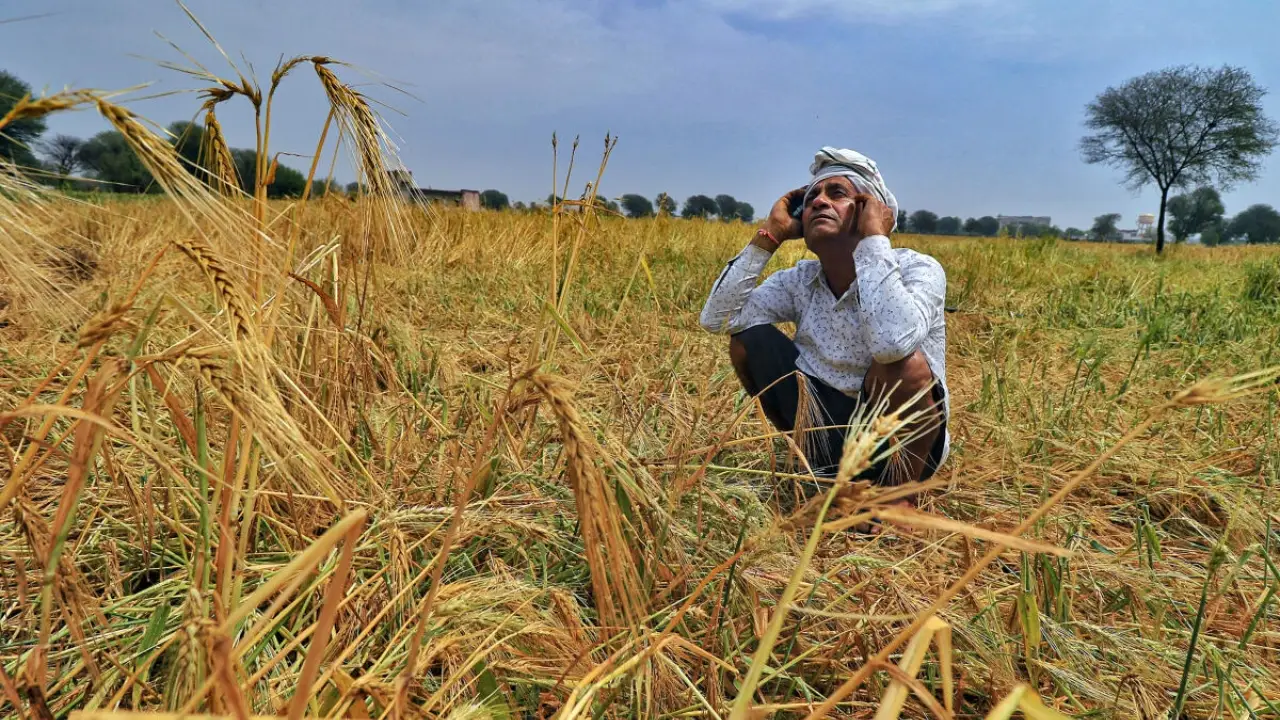
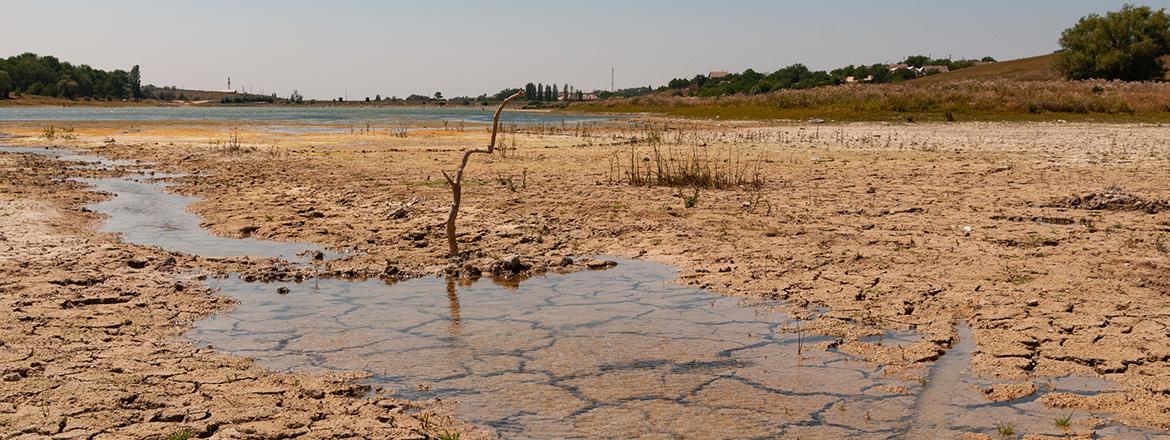
Producers weathered significant natural disasters in 2018 and 2019.
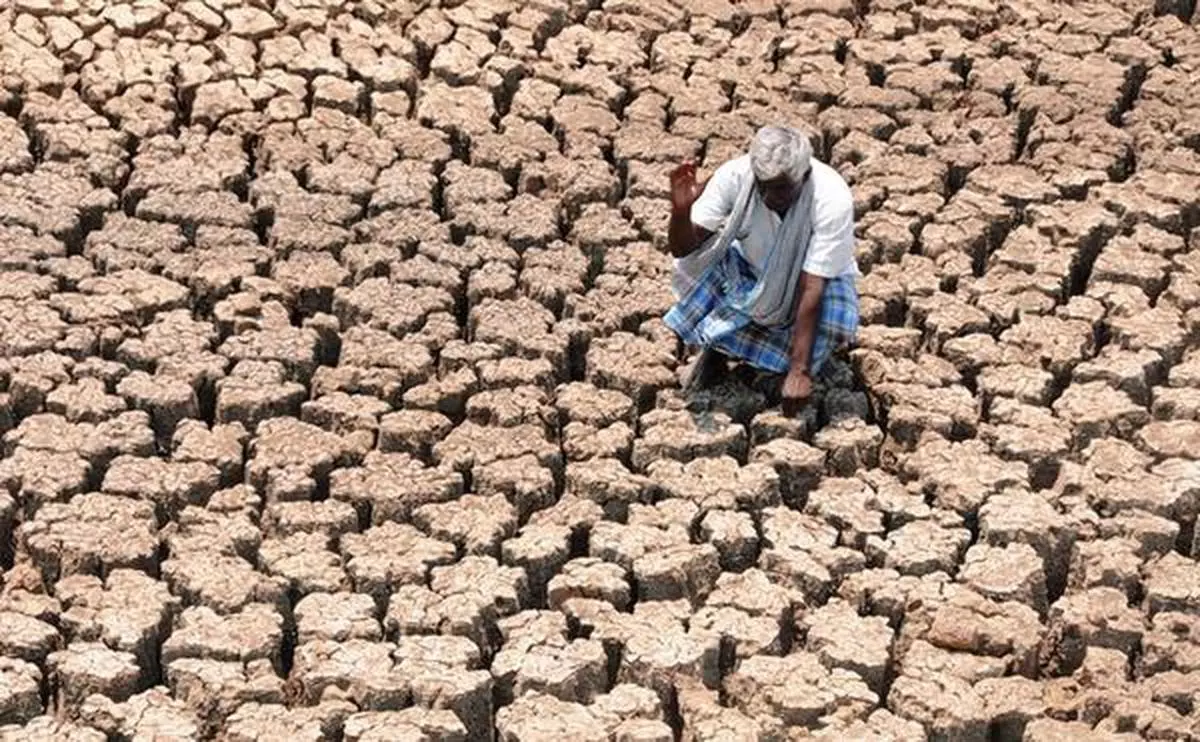
“From massive floods to winter storms, and from extreme drought to excess moisture, natural disaster events in 2018 and 2019 were exceptionally catastrophic for agricultural producers nationwide — many suffered the impacts of multiple events in not just one but both years,” said FSA Administrator Zach Ducheneaux. “FSA staff worked tirelessly for many months to develop and implement comprehensive disaster programs that meet the varying and unique needs of a large cross-section of U.S. production agriculture. QLA and the second round of WHIP+ assistance will provide much-needed assistance to help producers offset significant financial loss.”
“We worked hard to secure funding for Quality Loss and WHIP+ programs to help farmers and ranchers in North Dakota who were hit with severe challenges in 2018 and 2019,” Hoeven said in a statemnet. “We’ll work with USDA to ensure that these remaining payments are sent out quickly. With our producers facing another severe drought, it’s vital that we do all we can to support them.”
QLA Payments
QLA provides assistance to crop and forage producers who suffered a quality loss due to qualifying natural disasters occurring in 2018 or 2019. FSA will begin issuing payments to producers on June 15. FSA accepted applications from Jan. 6 to April 9, 2021. Based on these QLA applications, producers will receive 100% of the calculated assistance under QLA.
For each crop year, 2018, 2019 and 2020, the maximum amount that a person or legal entity may receive, directly or indirectly, is $125,000. Payments made to a joint operation (including a general partnership or joint venture) will not exceed $125,000, multiplied by the number of persons and legal entities that comprise the ownership of the joint operation. A person or legal entity is ineligible for QLA payment if the person’s or legal entity’s average Adjusted Gross Income exceeds $900,000, unless at least 75% is derived from farming, ranching or forestry-related activities.
Second WHIP+ Payments
WHIP+ provides payments to producers to offset production losses due to hurricanes, wildfires, and other qualifying natural disasters that occurred in 2018 and 2019. WHIP+ covered losses of crops, trees, bushes and vines that occurred as a result of those disaster events.
Producers who applied for and have received their first WHIP+ payment can expect to receive the second payment beginning in mid-June for eligible crop losses. Due to budget constraints, producers received an initial WHIP+ payment for 2019 crop losses equal to 50% of the calculated payment. This second payment will be equal to 40% of the calculated payment for a total 90% WHIP+ program payment. This second round of WHIP+ payments are expected to exceed $700 million. A third round of payments may be issued if sufficient funds become available. Producers with 2018 crop losses have already been compensated at 100%.
Future Insurance Coverage Requirements
All producers receiving QLA Program and WHIP+ payments are required to purchase federal crop insurance or Noninsured Crop Disaster Assistance Program coverage for the next two available crop years at the 60% coverage level or higher. If eligible, QLA participants may meet the insurance purchase requirement by purchasing Whole-Farm Revenue Protection coverage offered through USDA’s Risk Management Agency.
Source - https://www.agweek.com