Already fighting a long, losing battle for survival, saffron trade in Kashmir has probably suffered the most damaging blow from the recent floods. The loss to the ‘golden crop’ is over Rs 700 crore, according sources in the saffron industry. Kashmir is one the major producers of the spice item globally.
Shamas Irfan, a resident of Pampore town in south Kashmir, 13 km from Srinagar, said the damage to the crop is nearly forty percent, and all the saffron bulbs stored in low-lying areas have been inundated. Apart from Pampore town the crop is also grown in Budgam and Kishtwar districts, all of which are badly hit by the floods.
“There would be a scarcity of saffron bulbs (used to grow saffron) in coming years as water has seeped in. When water gets inside the bulb it is completely destroyed,” Irfan told Firstpost.
“If saffron prices skyrocket in India in the coming months don’t be surprised,” Mushtaq Ahmad Ganie, 35, a saffron farmer said. “Apart from destroying our homes, the insistent rains and subsequent floods have damaged our livelihood too. The loss to farmers would be Rs 700 crore,” Ganie said.
Saffron production in Kashmir was already witnessing a steep decline, raising fears of unemployment among thousands of farmers dependent on the annual produce for their living. Kashmiri saffron was once famous for its finest quality, colour and flavor throughout the world. But counterfeiting by middlemen in recent years, farmers say, has dented its credibility even as the demand for Kashmiri saffron increased.
Firaz Ahmad, a saffron farmer, said he was exploring the possibility of selling his agricultural land due to declining production and rising costs involved in processing the crop. Ahmad, 39, who lives in Lethpora, overlooking vast neatly trimmed saffron fields and sells his produce in a tiny shop, on Srinagar-Jammu National Highway which connects Kashmir with rest of India, said deteriorating soil health, poor irrigation system, shrinking of land, and neglect by the governments is reason for decline in saffron production.
“It is disheartening,” Firaz said in Pampore, eleven kilometers from Srinagar the summer capital of the Kashmir region, “to even think of selling the land, where our ancestors have grown saffron, but continues loss makes one rethink.”
Saffron farmers in Kashmir still use traditional method of processing, after plucking the flowers, its stigmas are separated by family labour, and then sun dried. Agricultural officers say the annual consumption of saffron in India is estimated at nearly 20 tons a year, the rising demand is meet by countries like Iran, Spain and China.
“Nearly 4,000 kg of saffron produced in Kashmir get exported,” Shakeel Ahamd, a member of traders’ federation, said. “Locals consume only a fraction of the produce,” he added.
Union Minister of Agriculture Radha Mohan Singh, had recently said that the production of prized spice has decreased, but said government would pump Rs. 400.11 crore to revive the saffron industry in Kashmir. “The production of saffron, which used to be 3.13 kg per hectares, has come down to 2.47 kg per-hectares in the last few years,” Singh said on August 23, while laying foundation stone of Rs 24.54 crore Saffron Park Project at Dussu, Pampore, part of Rs 3.76 billion National Saffron Mission launched in 2010, to boost saffron production in Kashmir.
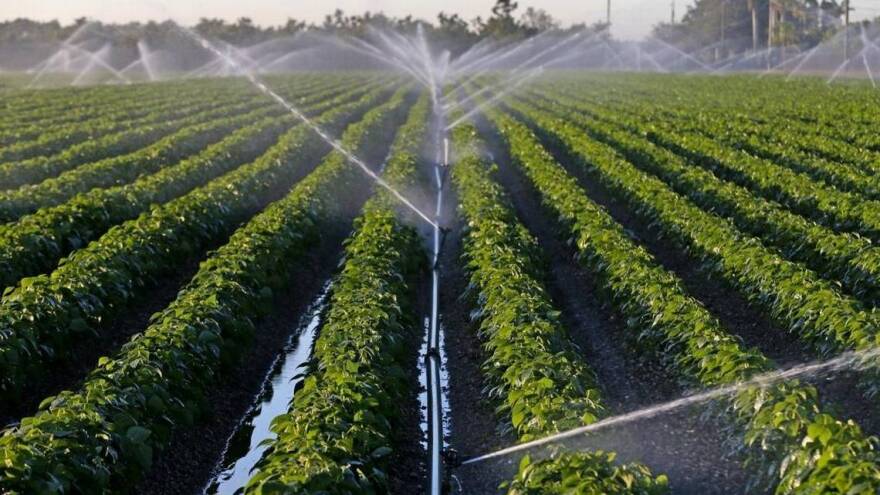
The Rs 3.76 billion programme was to cover drip irrigation, research, mechanisation, processing and marketing support to ease the crisis. Singh, however said, he was disappointed to know that land under the saffron cultivation has declined from about 5707 hectares in 1996 to just 3875 hectares in 2010-11.
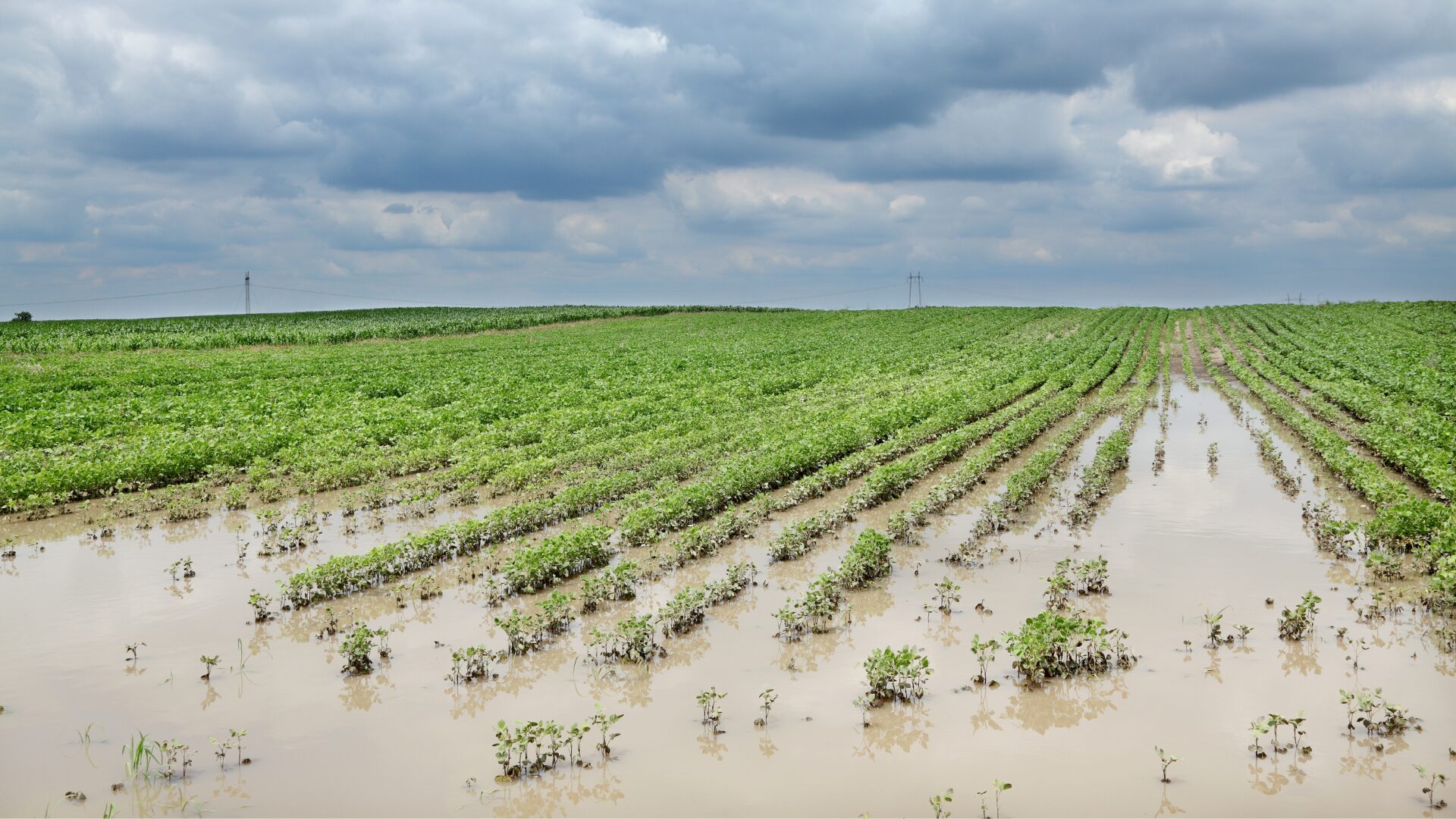
However, it’s not the saffron crop alone that has taken the brunt of the floods. The department of agriculture accepts extensive damage to other crops across the valley. The floods have also affected agricultural land as large chunks of land have been washed away. In many areas a large quantity of silt has got deposited on farm fields, an initial survey by the department says.
According to an Assocham report the worst hit in the floods have been apple crop. “The floods have caused a damage of Rs 1,000 crore to the apple crop in Kashmir, threatening a collapse of the horticulture industry in the state,” a report prepared by Assocham says.
Source - http://www.firstpost.com/