Moldovan May frosts caused heavy damage to fruit orchards

07.05.2026 446 views

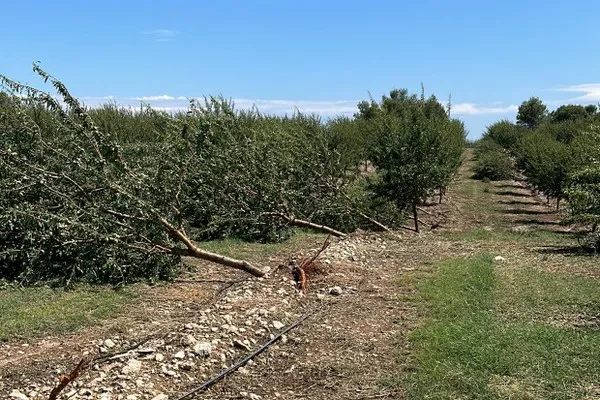
The first frosty nights of May have significantly worsened estimates of damage to Moldova's fruit sector from spring frosts. According to initial assessments by fruit market operators, between a quarter and a third of the country's total orchard area was seriously affected.

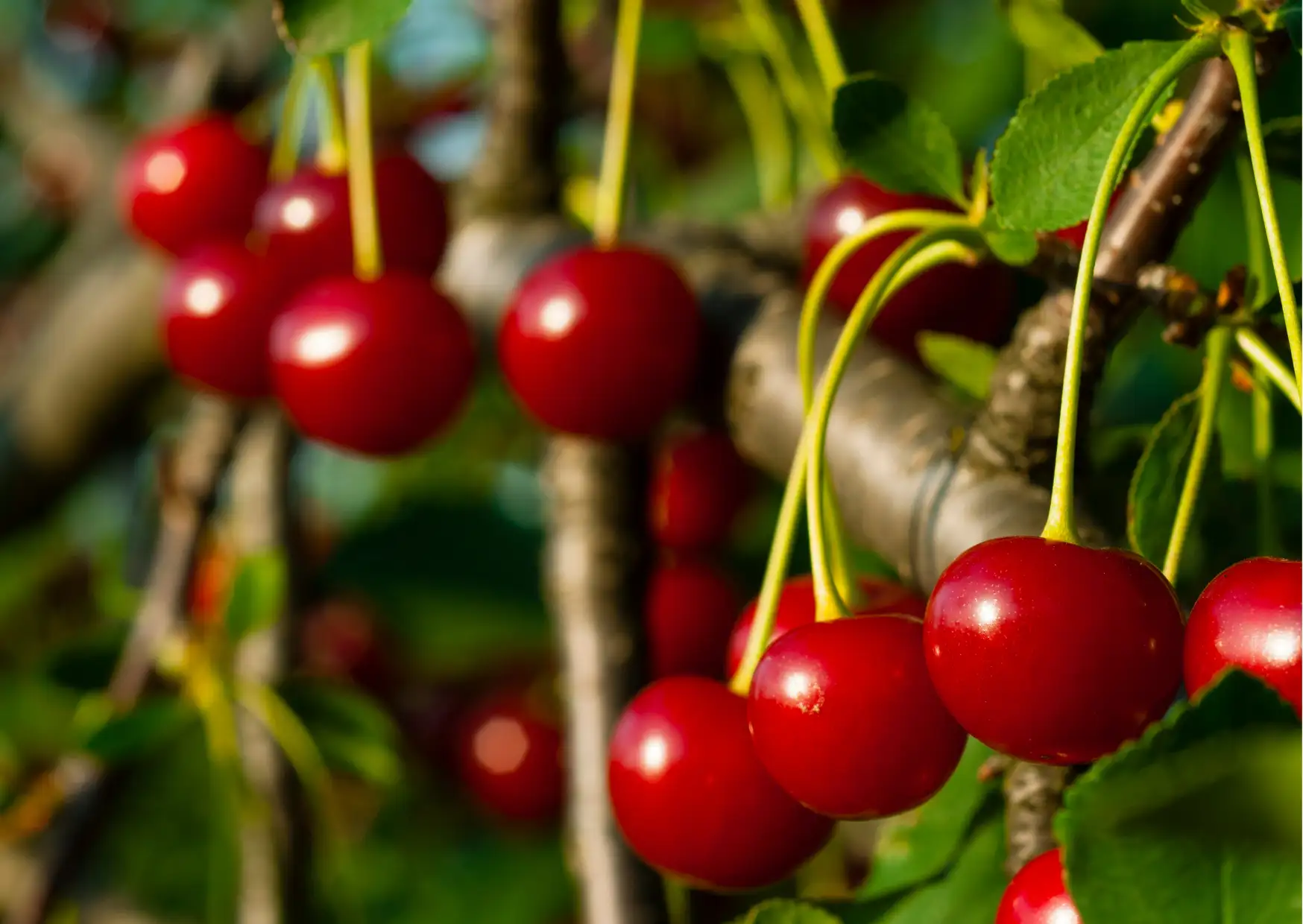
The biggest losses were reported in peach, sour cherry and sweet cherry orchards. In some orchards, growers reported the complete loss of the crop. Damage to generative organs was also recorded in plum, walnut and even apple plantations.

Northern Moldova was affected the most, as expected. However, damaged orchards were also reported in the central and south-eastern parts of the country. The situation was described as relatively better only in some south-western districts.

In most cases, the orchards damaged by the early May frosts were located in low-lying areas. In those locations, night temperatures previously dropped to -2C to -4C, which is highly dangerous for flowering fruit trees.

Representatives of insurance companies said they had been receiving multiple reports from clients during the first half of the day about the destruction of fruit crops. Given the low number of insurance contracts covering spring frost risks, the scale of the damage appears to be widespread.

The full impact is still unclear. As an example, last year's first estimates suggested severe damage to plum orchards after May frosts, but the final plum crop in 2025 turned out to be relatively good. Earlier, fruit industry organisations in Ukraine repeatedly reported losses of at least 50% in stone fruit production.


Source - https://www.freshplaza.com

20.08.2026

Philippines - Farm damage from ‘habagat’ and serial storms hits ₱1.7B

The agricultural damage caused by the recent typhoons has soared to more than P1.7 billion, affecting over 50,000 farmers and fisherfolk, according to the Department of Agriculture (DA).

20.08.2026

India - Tech Guard For Farms: MIT Muzaffarpur Students Develop AI Device To Protect Crops From Nilgai

For years, farmers in Bihar have relied on scarecrows, fencing and constant vigilance to protect their crops from nilgai, wild animals and birds. But these measures often lose their effectiveness as animals gradually learn to ignore them. 

20.08.2026

India - Madhya Pradesh embraces a new technological framework to estimate crop yield losses, but farmers say it misses damage on the ground

For farmer Makhan Singh Mewada, the 2025 kharif season ended long before harvest time. A combination of unseasonal rains and animal attacks destroyed more than a third of the soya bean he had sown on his 2-hectare field in Khamaliya village, located in Madhya Pradesh’s Sehore district.

20.08.2026

Kenya - Meru Farmers Take Vervet Monkey Crisis to Parliament Amid Rising Crop Losses

Farmers from Meru County have taken their grievances to Parliament, seeking government intervention over significant crop losses attributed to vervet monkeys. 

20.08.2026

India - Atchanna urges farmers to enrol in crop insurance before month-end

Agriculture minister K Atchannaidu has urged farmers to enrol in the crop insurance scheme before the month-end deadline, cautioning that El Nino could lead to rainfall deficits and erratic weather, increasing the risk of crop losses. 

20.08.2026

Nepal - More farmers are getting insurance, but crops are still left behind

Nepal issued more than 700,000 agricultural insurance policies in five years, but most cover livestock and fish, not crops.

19.08.2026

U.S. specialty crop growers seek US$5 billion in aid

House Agriculture Committee Chairman Glenn "GT" Thompson, R-Pa., called on Congress on Aug. 18 to direct as much as US$5 billion in additional federal assistance to specialty crop producers. 

19.08.2026

India - Kashmir apples lose their shine as extreme weather causes Rs 300-400 crore crop loss; growers suffer

Kashmir's apple crop has suffered extensive damage due to hailstorms, heavy rain and strong winds, with losses estimated at Rs 300-400 crore. South Kashmir is among the worst-hit regions, raising concerns for thousands of growers.