For years, farmers in Bihar have relied on scarecrows, fencing and constant vigilance to protect their crops from nilgai, wild animals and birds. But these measures often lose their effectiveness as animals gradually learn to ignore them. A group of engineering students in Muzaffarpur now hopes to replace this familiar struggle with a smarter, technology-driven guard.
Students of Muzaffarpur Institute of Technology (MIT) are developing an AI-powered Smart Crop Protection System designed to identify threats, alert farmers and drive animals away before they can damage standing crops. The innovation has been selected for financial assistance totalling Rs 6 lakh under IIT Patna’s pre-incubation programme and the PM-RKVY scheme.
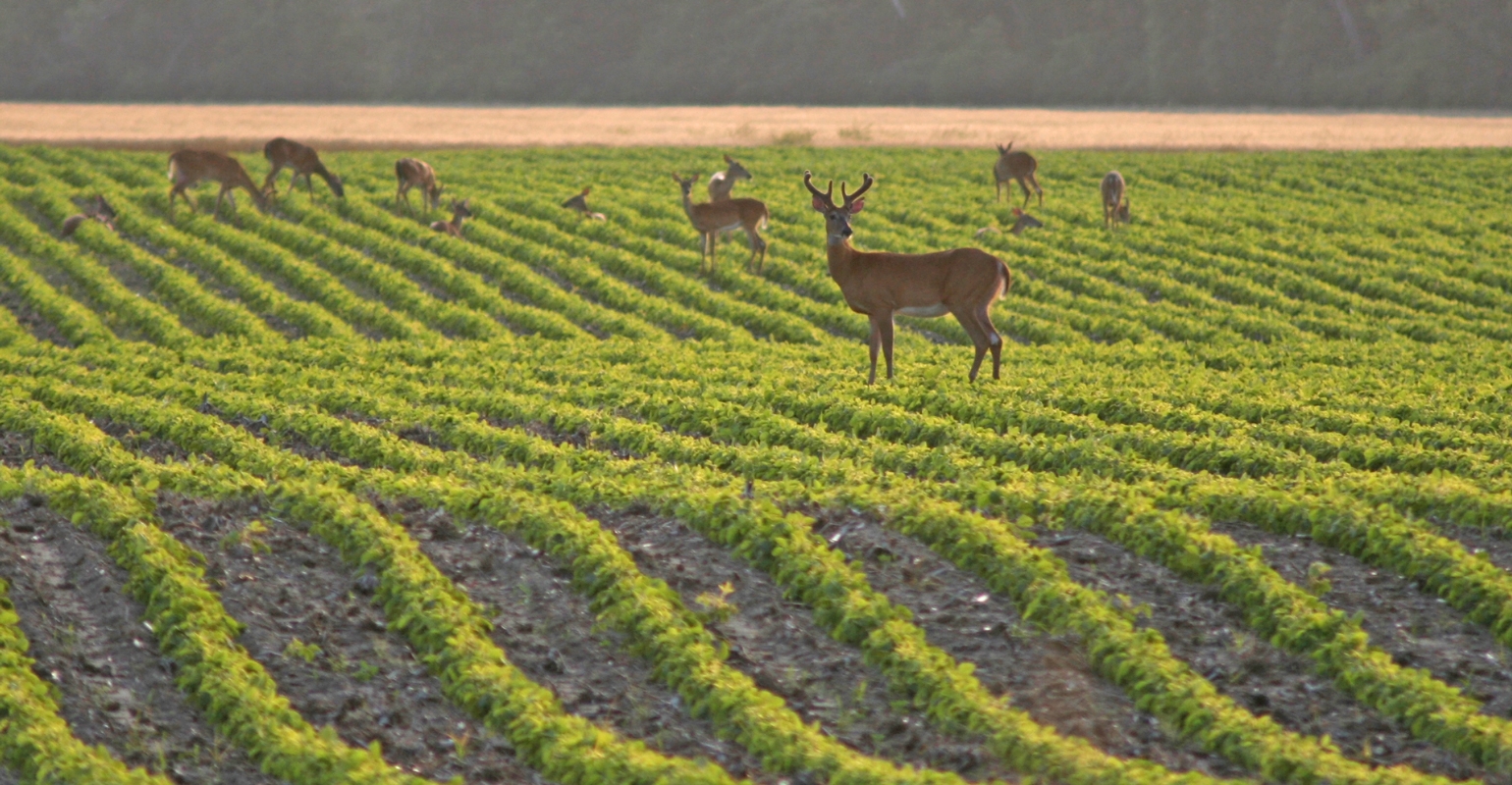
The idea emerged when an electrical engineering student Ronit Kumar witnessed farmers in his village Samastipur worry about frequently lost crops to nilgai and other wild animals, despite using scarecrows and traditional deterrents.
Ronit realised that any fixed method would eventually become predictable. Birds and animals grew accustomed to scarecrows, sounds and other measures that posed no actual threat. This made the team to work on a system that could first identify the intruder and then respond in different ways.
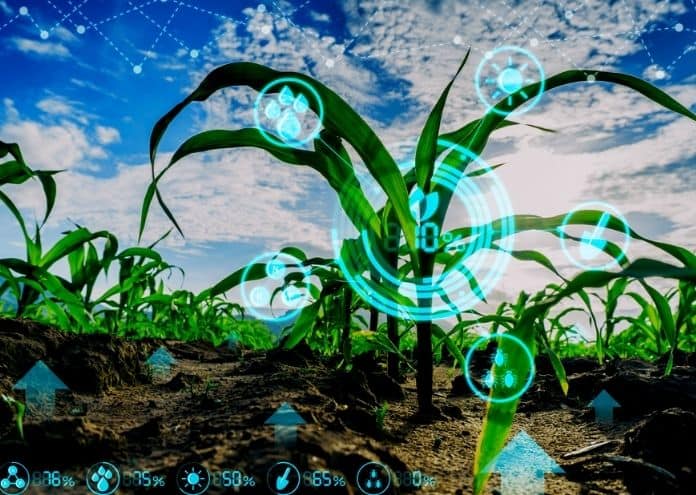
The proposed device combines cameras, sensors and artificial intelligence to monitor fields continuously. "One unit could cover an area within a radius of about 30 to 50 metres. When an animal or bird that could damage the crop enters the camera’s field of view, the AI system will attempt to identify it," the team explained.
Once a possible threat is detected, the system is designed to send a real-time notification to the farmer’s mobile phone, along with the location of the incident. This would allow farmers to monitor fields remotely instead of remaining physically present around the clock.
The device is also being equipped with multiple deterrents so that animals do not become acclimatized to a particular response. Depending on the threat, it could generate ultrasonic sound, activate a green laser or play selected noises through a speaker. To drive away nilgai, for instance, the team plans to use the recorded sounds of predator animals.
“Our new AI crop-protection device is more effective than placing a scarecrow in a field. With the help of AI, it detects animals such as nilgai and birds entering the field and sends an alert, along with the location, to the farmer’s mobile phone. The AI camera provides 360-degree monitoring. The system will generate ultrasonic sound or use a green laser to drive away elements that could damage the crops,” Ronit explained.
The students do not want the device to remain merely an electronic scarecrow. They are developing a wider farm-management platform under the concept of ‘Krishi Drishti’, or agricultural vision. The proposed system would use AI and sensors for crop monitoring, wild-animal detection, fire alerts, smart irrigation and even send signals when a crop may be ready for harvesting.
Fire detection is among the features currently being developed. If a fire breaks out in a field, the system would send a live notification and the location to the farmer. In fields equipped with sprinklers, the students eventually hope to connect the device to the water system so that it can automatically begin spraying water during a fire.
The project has been under development for nearly two years and is now entering the experimental and deployment stage. The students hope to make the device market-ready within six to seven months, although its performance will first have to be tested under actual farming conditions.
"Its effectiveness will depend on how accurately the AI can distinguish between animals, birds and harmless movement under changing light, weather and field conditions. The team will also have to examine false detections and determine how long ultrasonic sounds, lasers and predator calls remain effective against different species," Ronit added.
Keeping the technology affordable is a central part of the plan. The device is expected to cost between Rs 6,000 and Rs 7,000, though the students are trying to reduce the price further. It will weigh around one to two kilograms and is proposed to run on solar power, allowing it to be deployed in remote fields where electricity may not be readily available.
The students say the technology is not intended only for large commercial farms. "The relatively low cost, mobile alerts and solar-powered operation are being incorporated so that small farmers with limited resources can also use it," they said.
The project has been selected for IIT Patna’s 12-month pre-incubation programme, under which it is eligible for a prototype grant of Rs 2 lakh. The programme is expected to help the team refine its initial idea, conduct trials and explore a viable business model.
It has also been selected for Rs 4 lakh in grant-in-aid under SOP-III of the Pradhan Mantri Rashtriya Krishi Vikas Yojana, or PM-RKVY. Together, the two grants provide for financial assistance of Rs 6 lakh.
The students are simultaneously applying a similar AI-and-sensor approach to energy management. Their AI-powered energy optimisation concept divides a room into separate zones and operates lights and fans according to occupancy and need. According to the team, pilot tests have indicated energy savings of 25 to 35 per cent.
MIT Muzaffarpur’s startup support system is helping students take such projects beyond the idea stage. The institute’s startup cell offers laboratory facilities for prototype development, academic mentoring and assistance in developing potential ventures. MIT also has an agreement with IIT Patna’s incubation centre for a regional incubation extension centre.
The team from the electrical and civil engineering departments includes Ronit and Jishu Kumari Sinha, while Assistant Professor Faiz Ahmad and Professor Ankit Kumar Singh of the electrical engineering department are mentoring the project.
“These students have developed the project around a problem that exists at the ground level. Work on it is still in progress, but the project could bring relief to farmers. The AI device will immediately identify animals entering a field, activate measures to drive them away and send a message to the farmer. I congratulate my students on this idea,” Ahmad said.
MIT Principal Dr M K Jha also congratulated the students and their mentors, describing the project as an important achievement in technical education, innovation and entrepreneurship. Its significance, he said, lay in the students’ attempt to identify a real problem in their surroundings and convert it into a technological solution.
The project has secured institutional support and funding, but its real examination will take place far from the laboratory - in fields exposed to rain, heat, darkness, dust and unpredictable animal behaviour.
Source - https://www.etvbharat.com