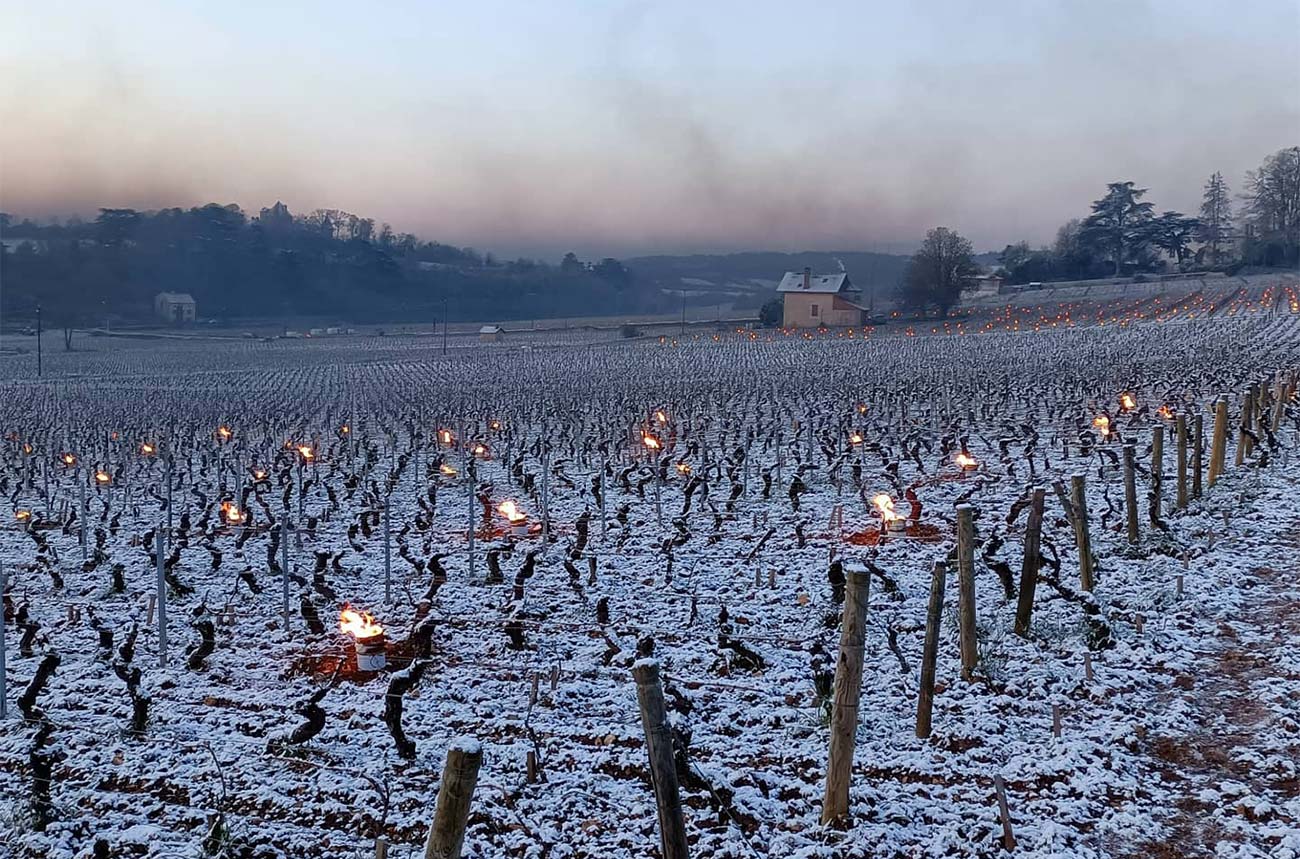
It looked like a winter wonderland, but no one in southern Alberta was in the holiday spirit when snow arrived in early September.
Forecasts called for less than an inch, but Mother Nature delivered six to eight in many areas. At Brandon Gibb’s place near Hillspring, the white stuff started falling around 7:30 a.m. and continued without interruption until midnight, flattening crops in his fields.
“It’s going to put us in pretty tough shape to get them off,” said Gibb, a grain and cattle producer.
“For the average farmer down here, this is going to be very devastating,” added Terry Bonertz, a farmer and agronomist with McRae Holdings Limited.
Only about 13 per cent of Alberta’s total crop had been harvested when snow hit on Sept. 10. Bonertz, who lives in Pincher Creek but travels around the area, estimated producers in the southern half of the province suffered about a 15 per cent yield loss.
Wheat fields were hit the hardest and Gibb’s wheat crop was no exception.
“We’re going to try to pick it up,” he said, adding he will be putting “pickup fingers” on his equipment to try to save what he can. “I’m sure a lot of guys will be swathing and trying to straight cut.”
Although the grade and yield loss will be steep, he’ll try to save as much as possible because crop insurance doesn’t cover losses caused by snow.
There won’t be much No. 1 wheat from Pincher Creek, Cardston and Fort Macleod, said Bonertz. Farmers in the Calgary area were also impacted. Excessive moisture can cause sprouting and discolouration, and it’s expected a lot of the wheat will be downgraded to feed wheat.
An elevator manager told him that it won’t be much better in his area, said Gary Stanford, who farms near Magrath, south of Lethbridge.
“He said that there’s not a lot of it that goes to feed, but there will be a lot of it that goes to Grade 2 or 3,” said Stanford, who is president of the Grain Growers of Canada.
For many growers, that will mean a revenue loss of 30 per cent, and will come on top of the financial hit caused by a severe drop in grain prices this year, he said.
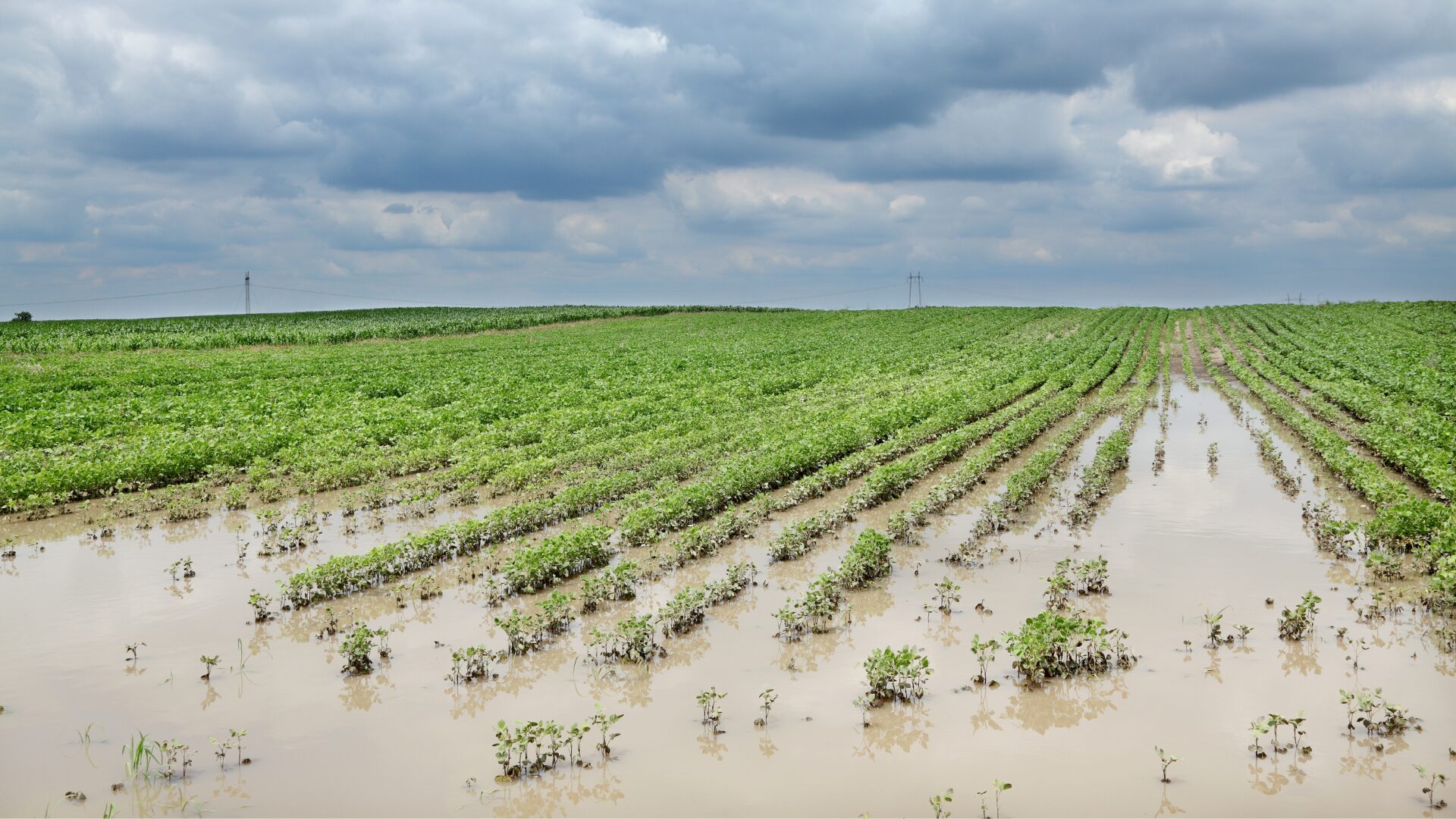
It’s actually a triple whammy for the south, as farmers there suffered from too much moisture for most of the spring and summer.
“We were really wet in August — usually by now we’re on the back end of harvest and we’re just about done,” Gibb said.
“If we’d had a good spring, most of the crops would be off by now,” added Bonertz. “We started off late this year and we just never recovered.”
The province didn’t get as much heat this summer as it normally does, and that combined with the wet spring meant a large number of crops in the province were delayed, said Neil Whatley, crop specialist with Alberta Agriculture and Rural Development.
Gibb said he is hoping for a good strong wind to help dry everything out and anticipated it would take about five to seven days of waiting before he could get back to harvesting.
Below-freezing temperatures over at Bonertz’s place did little to help his situation. On Sept. 11, it hit -8 C, although the heavy snow may have helped to insulate his crops.
He, too, was hoping for a “classic chinook” to dry out the fields.
But even with that, some won’t even try to harvest their downed crop, he said.
“Some will try to bale it into greenfeed bales for livestock feed.”
And the effects of the snow may linger into next spring on some fields.
“Swathing in general is going to be the hard part,” Bonertz said. “Even when this dries, this will affect next year’s crop, because of the trash issue. If we can’t pick all the straw up off the ground, we’re going to have to try to seed through that next spring.”
Source - http://www.albertafarmexpress.ca/