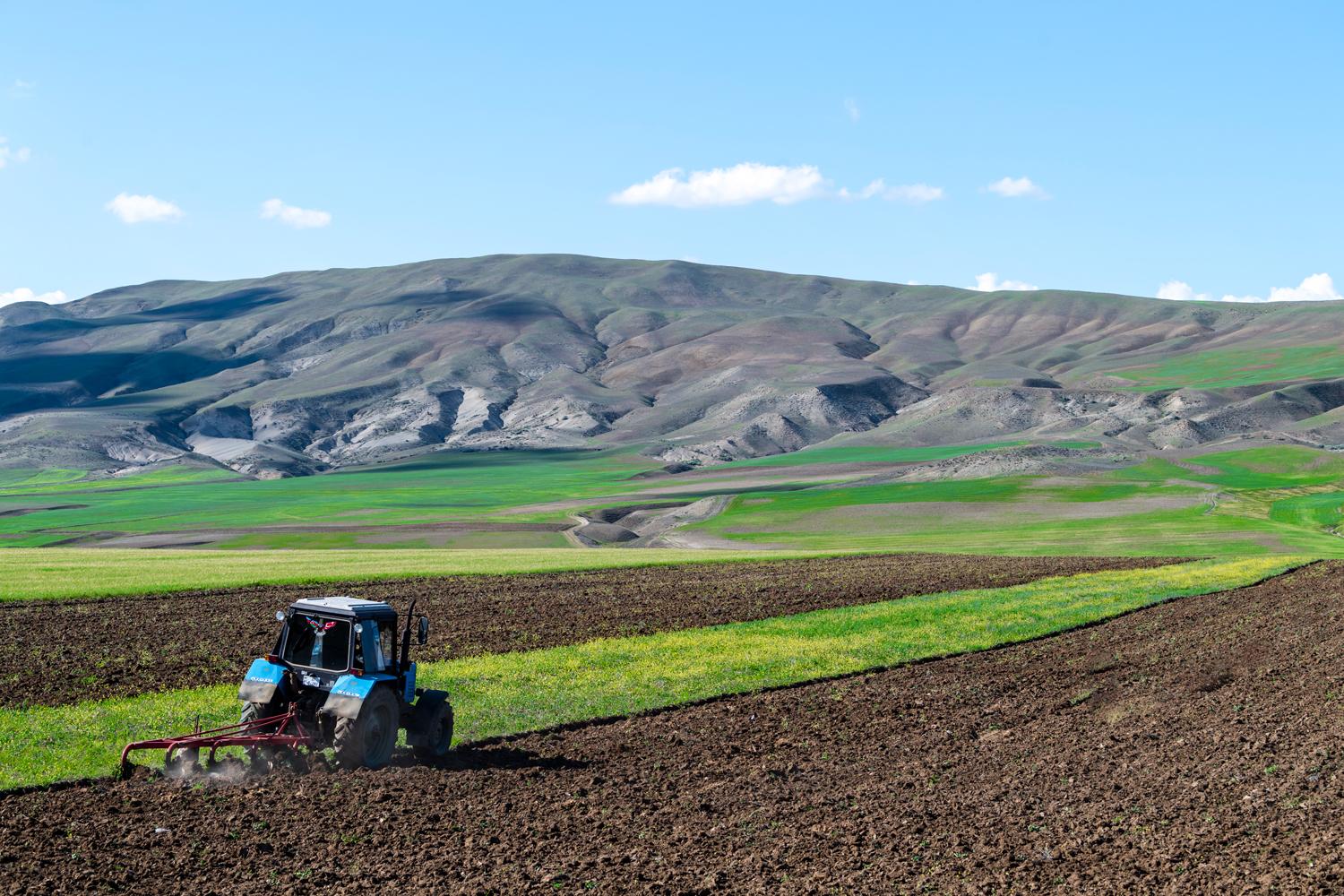
The combination of later-than-normal spring planting and a cooler-than-normal growing season has resulted in a slow start to the fall harvest season in most of the Upper Midwest, as we enter the month of October. A lot of corn and soybeans in southern Minnesota have turned color, and appear to be mature; however, much of this visual appearance was the result of damage following the early frost on Sept. 13 and 14, and not from the natural maturing process of the crop. A limited amount of soybean harvesting has begun in some areas, mainly on some earlier soybean varieties that were planted on a timely basis last spring.
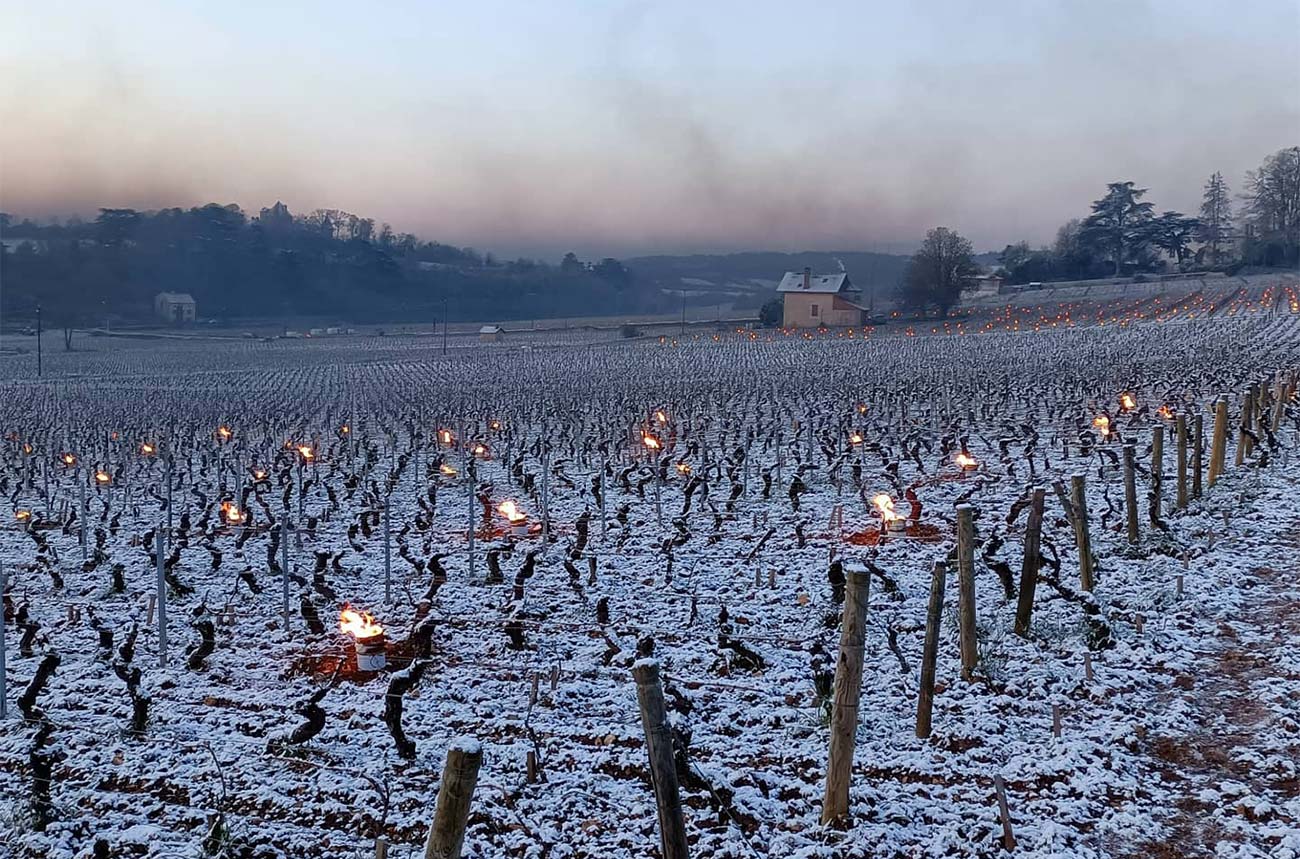
The University of Minnesota Research and Outreach Center at Waseca reported 31° F on the mornings of both Sept. 13 and 14, which was considered a killing frost, and essentially put an end to the 2014 growing season. A killing frost can occur when the temperature reaches 28° F, or if the temperature is 32° F or lower for four consecutive hours. Once a killing frost occurs, there will be no further crop development, meaning that immature crops will not reach full maturity, and will just dry down. The frost damage across southern Minnesota was highly variable, ranging from a complete killing frost to light frost damage in portions of fields. There is even considerable variability in frost damage in the same fields, which can lead to challenges at harvest time.
The U of M Research Center at Waseca recorded a total 2,235 growing degree units (GDUs) from May 1 through September 13, which is well short of the normal 2,470 GDUs by the end of September. The lower than normal GDU accumulation in 2014 means that a large portion of the corn crop had not yet reach maturity in areas that received a killing frost. Corn that is immature generally dries down very uneven, has a lighter test weight and is more difficult to keep in on-farm storage, as compared to corn that naturally reaches physiological maturity, or “black layer”, prior to harvest. The early frost is also likely to cause significant yield reduction on later planted soybeans, due to many of these fields still being quite immature at the time of the frost.
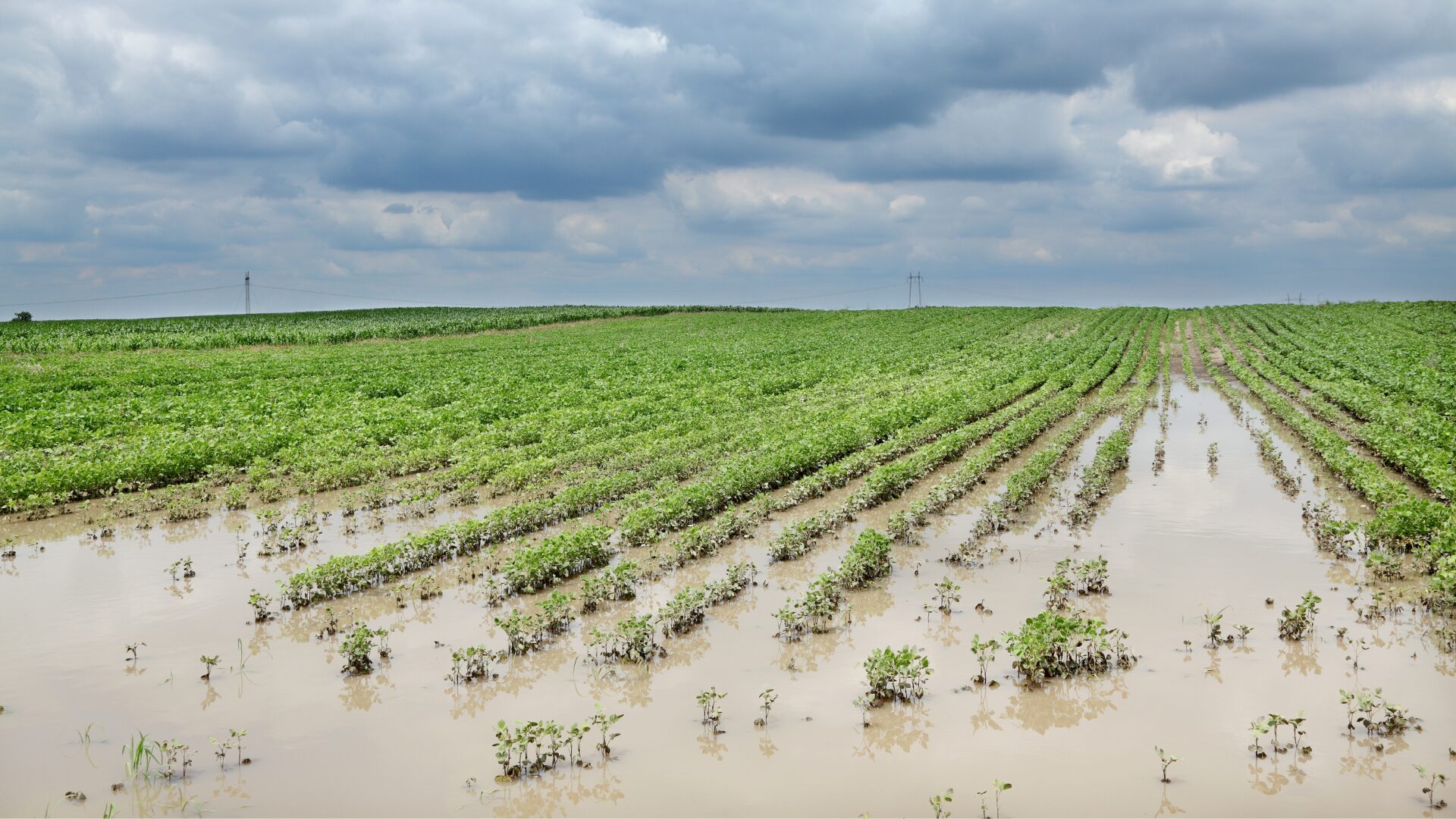
It is a bit early to project corn and soybean yields in the region, as harvest season is just getting underway. Corn and soybean yields across southern and western Minnesota are likely to be highly variable in 2014, depending of the spring planting dates, impacts from the heavy rains and storms in June, and losses incurred from the frost event on September 13 and 14. There is likely to be a lot of yield variation from field-to-field, and even within the same field. Of course, it should be pointed out that whole field yields are determined by dividing total bushels harvested by the total acres in a field that were planted last spring. This means that any drowned out areas of the field, or other acres that are not harvestable, need to be factored in to the final yield calculation. In some cases this will significantly lower the final whole field yields, especially in northern areas of south-central Minnesota, as well as in much of central Minnesota.
Corn harvest has not been initiated in most areas of Minnesota, due to the slowness of this year’s corn crop in reaching physiological maturity, or black-layer. Once the corn reaches maturity, it is at about 30-32% moisture, and then begins to dry down naturally in the field. Ideally, corn needs to be dried down to about 15-16% moisture for safe storage in on-farm grain bins until next spring or summer. It is likely that producers will have to use more supplemental drying for corn in 2014, as compared to recent years, which will add some extra corn drying expense this year. As mentioned earlier, any corn that had not reached physiological maturity at the time of the first killing frost will likely have additional corn drying and storage challenges following this year’s harvest.
Source - http://cornandsoybeandigest.com/