Frost, freeze and wild temperature changes during the 2014 growing season damaged some New Hampshire crops. As a result, the U.S. Department of Agriculture has designated nine of the state’s 10 counties as “primary natural disaster” areas.
The designation means farmers in eligible areas have eight months to apply for low-interest emergency loans from the USDA’s Farm Service Agency to help recoup any losses.
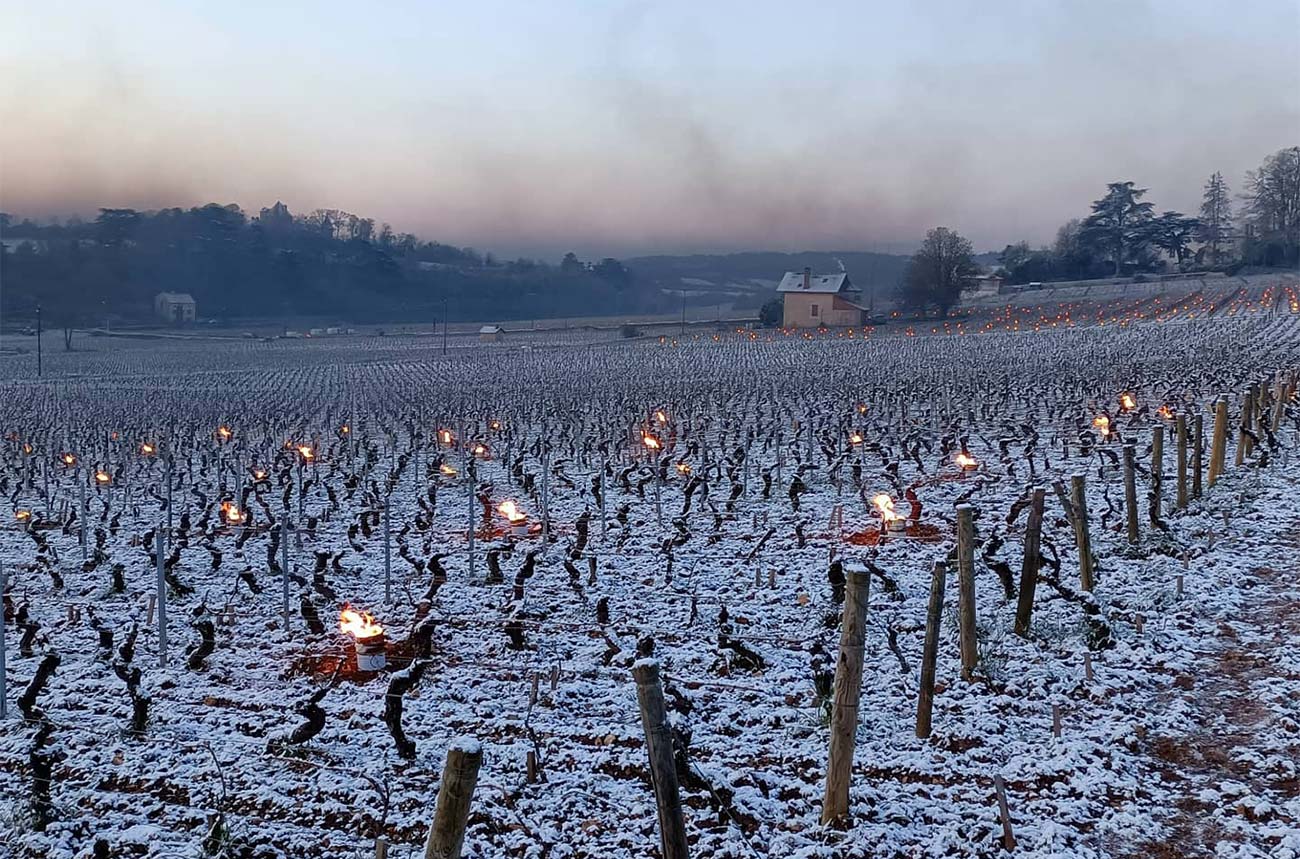
All counties except Coos County were designated disaster areas as a result of “extreme temperature fluctuations, excessive cold, frosts, freezes and hail” between Dec. 1, 2013, and April 2014. The USDA also issued a disaster declaration for six counties for similar weather between May 22 and 25.
The temperature swings affected peaches, pears, blueberries and raspberries, and is a main reason why the USDA National Agricultural Statistics Service forecasts a significant drop in the state’s apple crop. The 2014 forecast, compiled with data provided by New Hampshire farmers, says the state will grow 16 million pounds of apples this year, down from 25½ million pounds in 2012. “It is the second-lowest over the last five years, but it’s very close to the middle,” said Gary Keough, state statistician at the USDA National Agricultural Statistics Service. In 2008, the state grew 35 million pounds of apples for retail sale. “It’s still showing a significant decrease,” Keough said.
Less apples means less revenue for farmers, and Hamilton said he expects some of the state’s farmers to apply for the disaster assistance loans. “There could be a major hit on some farms. Some farmers will take advantage of this,” Hamilton said.
The unpredictable weather rolled through in November, at the end of a warm fall.
“When we start seeing a 50-degree swing in temperatures after it’s warm, we can get some damaging occurring within the plant itself. Not killing it, but damaging it,” Hamilton said. Temperatures between Dec. 17 and 19 dropped as low as minus 20 degrees in some areas, Hamilton said. More cold stretches followed through to the end of April, when daytime and nighttime temperatures were more than 30 degrees apart. During the week of April 28, overnight temperatures dropped as low as 28 degrees, while daytime temperatures were in the mid-60s, he said.
“The ability of some of these trees to withstand the temperature swings starts to go down in the spring, once it gets warmer,” Hamilton said. “It’s warm and then all of a sudden we have a cold event.”
Source - http://www.freshplaza.com/