Small farmers and ranchers in North Dakota once unable to insure their crops will have the option in 2015.
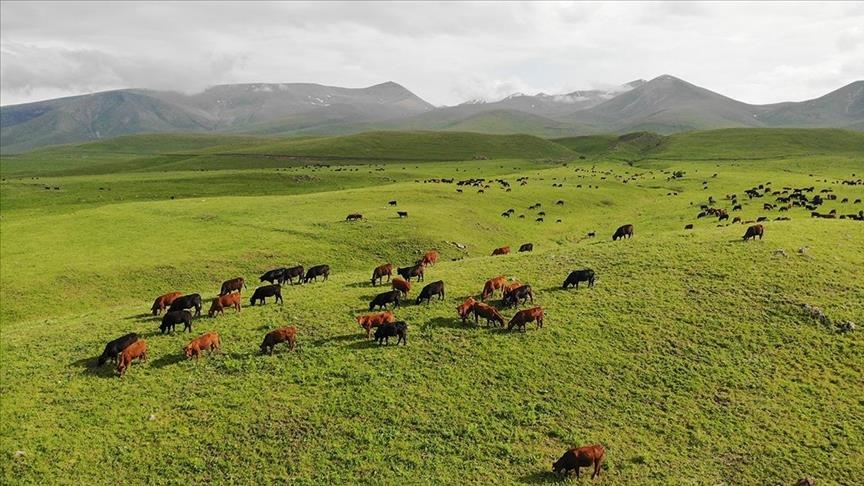
Previously, small organic, specialty crop and vegetable growers, like those who sell their products at farmers markets, may not have grown enough of each crop to qualify for insurance, North Dakota Agriculture Commissioner Doug Goehring said. Under the newly announced Whole-Farm Revenue Protection insurance program, small and mid-size producers will be able to insure all of their crops, including cattle and other livestock, under one policy.
"It gives those people access who didn't have it before," said Goehring, adding that the new program does not follow traditional rules and guidelines.
For one, it works off revenue rather than production, insuring against the farms adjusted growth revenue.
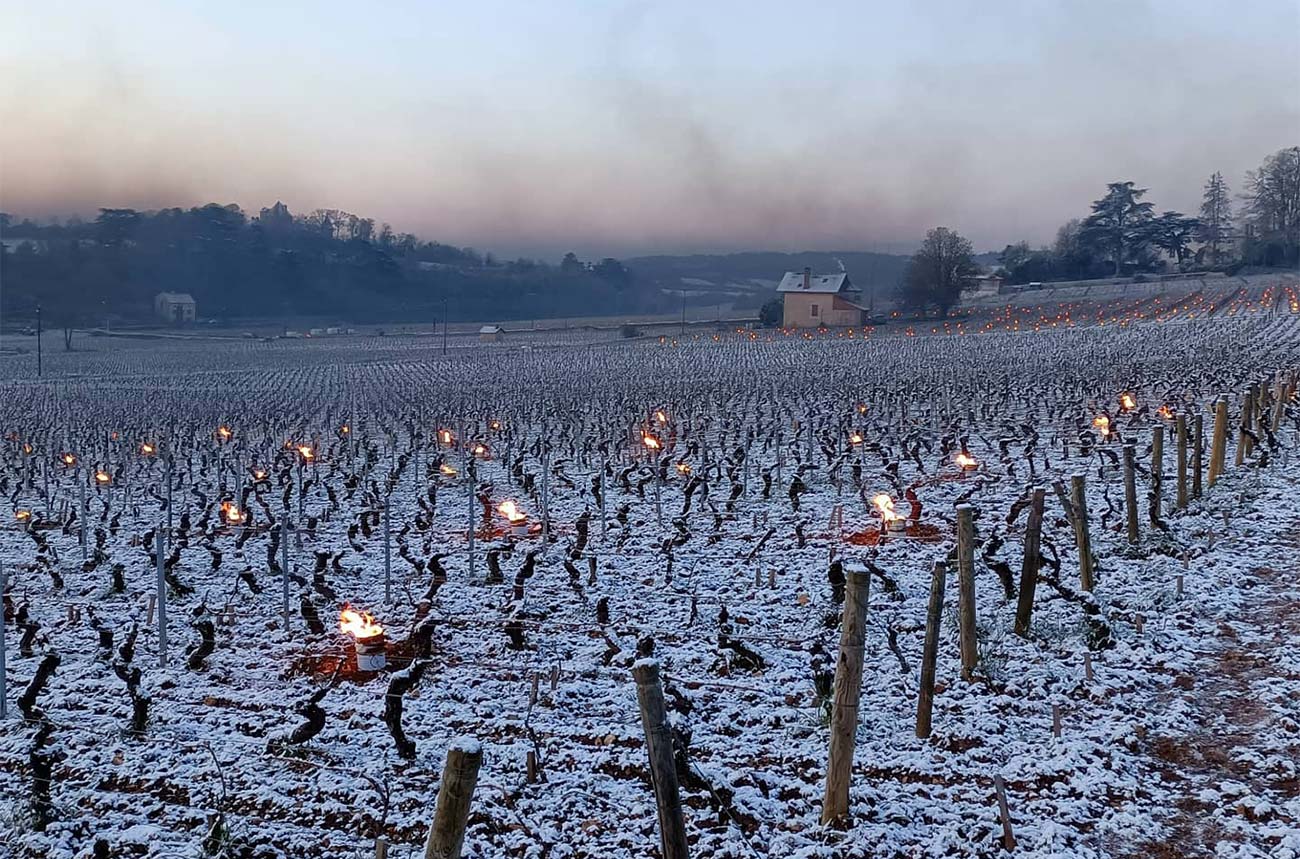
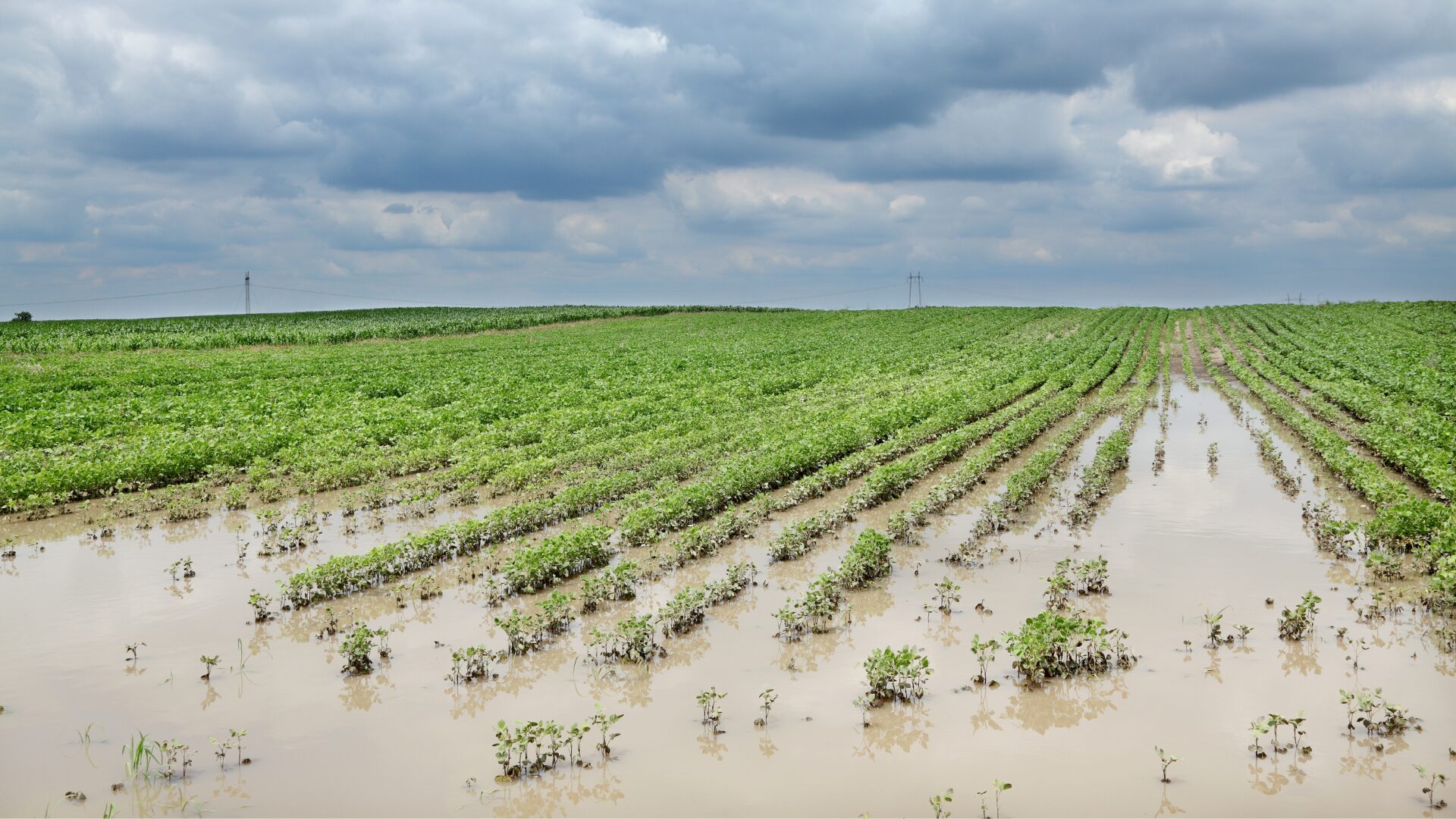
According to the U.S. Department of Agriculture'sRisk Management Agency, the insurance protects against low revenue caused by "natural disasters and market fluctuations during the insurance year." Producers' historical tax information or an annual farm report, whichever is lower, establish the revenue basis for coverage, guaranteeing a set amount of revenue for the insurance period.
If expenses go up unexpectedly and price goes down, causing revenue to deviate from previous levels, it could trigger a claim, Goehring said.
"Which is fair because they did not make the money they were insured for," said Goehring, explaining there are many producers in the state who are going to be in that type of situation this year.
A lot are going to lose money, even if they had fair to good quality yields, due to the drop in prices, he said.
Goehring said many agricultural lenders are nervous because many loans were made in the past couple of years when prices were high.
"We're going to struggle breaking even this year," he said of his own farm.
With the whole-farm coverage, those smaller producers won't face that dilemma.
Goehring said the new program also is different because farmers with a wider diversity of crops will pay less of a premium. Those with more will have a cheaper plan.
On top of premium discounts, the program offers those with at least two types of crops a subsidy, according to the RMA. For example the secondary crop must make up 16.7 percent of the farm's revenue. That percentage varies with the number of crops produced. Livestock and greenhouse plants also are each limited to 35 percent of total farm revenue. If those percentage requirements are met, RMA will subsidize up to 80 percent of the premium, leaving the farmer to pay the remaining 20 percent.
Another benefit is farmers and ranchers will only have to buy one plan, Goehring said. Typically producers must insure each crop separately.
"That gives them the option of promoting crop diversity and helps support the production of a wider variety of healthy foods," RMA administrator Brandon Willis said in a statement.
Finally, farmers will be able to purchase insurance coverage at different levels. Coverage levels could range from 50 to 85 percent. The maximum coverage amount is $8.5 million.
Goehring said the whole farm program is new but the state started asking for a similar program several years ago when organic and vegetable producers expressed interest in coverage. He said this program will also be nice for livestock producers who may not have considered it previously.
The policy will be offered as a pilot program to start for the 2015 insurance year.
"We're going to be one of the states in that pilot program," Goehring said.
Source - http://insurancenewsnet.com/