The Australian crop is likely to suffer further downgrades in terms of quantity and quality following adverse weather in the past fortnight.
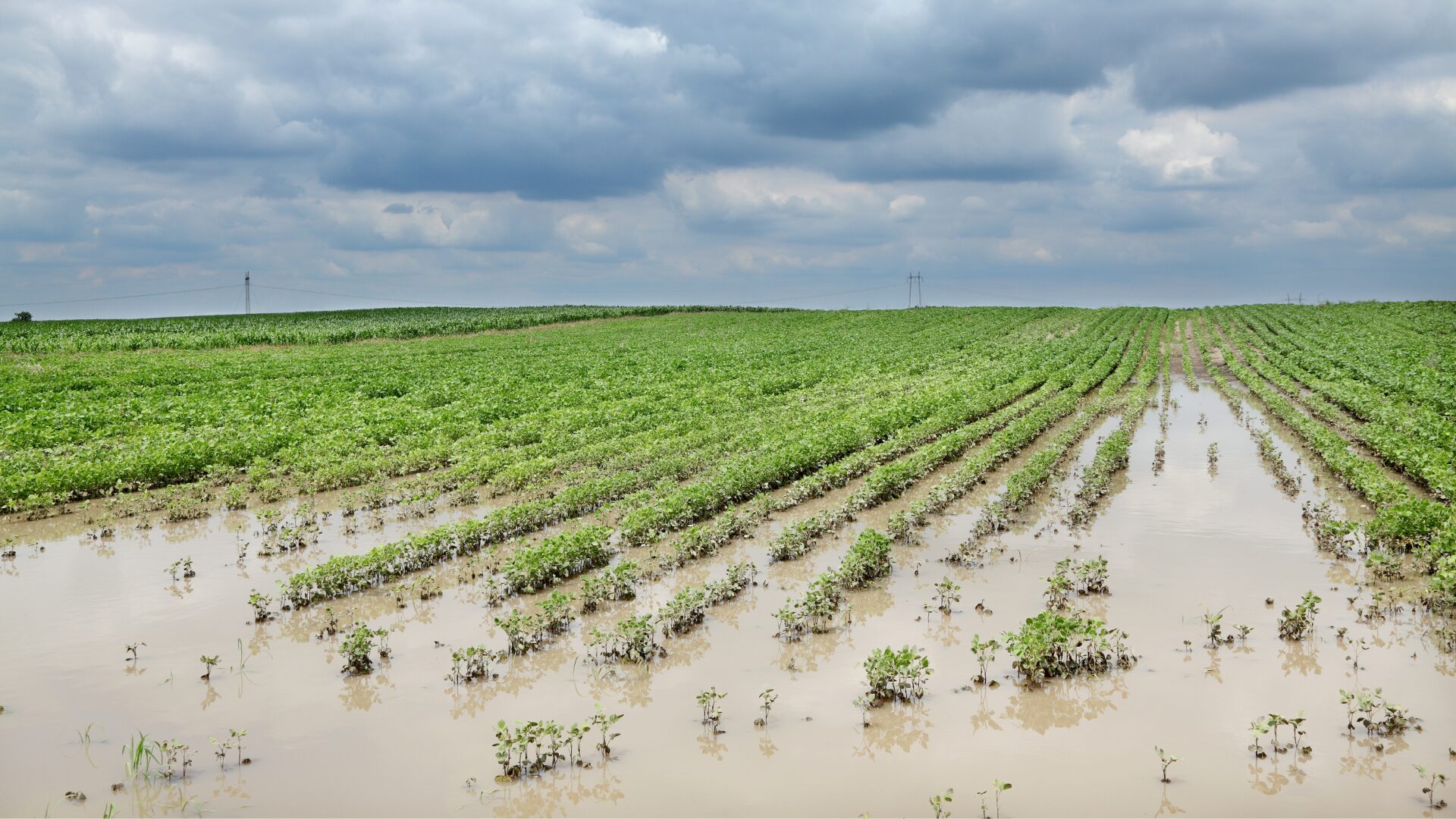
Heavy rain and hail over the southern Western Australian Wheatbelt wreaked havoc earlier in the week, with up to 150 millimetres dumped in some areas.
There will be some production loss in the form of hail damage in a belt through the south central Wheatbelt, but the major issue is yet to fully play out, in terms of downgrading in standing crop.
Meanwhile, Grain Producers Australia (GPA) chairman and Victorian farmer Andrew Weidemann has said yield potential in wheat crops has nearly halved in the past fortnight in his own Wimmera district.
“It wasn’t fantastic beforehand, but the run of hot weather over the last couple of weeks has really sent crops to the wall.
“I would expect a lot of the wheat to be yielding around 0.6-0.8 tonnes to the hectare in this area, although barley will be slightly better.”
In Western Australia, CBH Esperance port zone manager Mick Daw said most wheat crops in the far south may just dodge a bullet in terms of downgrading issues.
“It obviously won’t be fully proven until farmers get back out on the paddocks, but at this stage I think the feeling is that most of the wheat has a tiny bit of green left in it, and shouldn’t be too badly off.”
Mr Daw said barley was the most likely crop to be downgraded, as it was further advanced.
However, he said most of the barley that had been received in the CBH network across the Albany and Esperance port zones before the torrential rain had already been feed quality anyway due to low protein.
Charlie Brown, pool manager at Cargill Australia said the market was still getting its head around the WA situation.
However, he said Cargill employees were surveying the region and his feeling was that the damage would not be as bad on a big picture level as first thought.
“Certainly these hail events can be devastating for individual growers, but we aren’t expecting it will bring production back too much overall.
“These days people see a few spectacular photos on Twitter and they starting thinking things are worse than they actually are.
“Our thoughts are that we are far more likely to see quality, rather than quantity issues, most likely barley from malt to feed.”
Mr Brown said some wheat that was more mature could be downgraded. However, he said he did not envisage the rain would set up a full blown protein market, with a widening spread between hard milling wheats and feed grades.
“Things are pretty tight globally in terms of protein stocks, but remember with the dry on the east coast what wheat there is will likely have higher protein levels.”
In regards to the east coast and South Australian crop, Mr Brown said Cargill was prepared for some wheat crops, especially later developing crops forced to fill the head during dry and hot conditions, to have high screenings levels.
“There’s a bit of a flag around screenings, but we’ll find out more about that when the later crops start coming off.”
It is not just cereal crops under the microscope following the WA rain. Mr Daw said canola was the great unknown at present.
“We have a lot of the crop swathed and lying down, so there could be big crop losses there, we just don’t know.
“It remains to be seen whether direct heading or swathing will prove to be the best in the wet conditions, so that is certainly something we’ll be keeping an eye on.”
He said it was unlikely any canola would germinate or be downgraded as a result of the rain.
In Victoria, Mr Weidemann said early finishing canola crops may yield better in terms of a percentage on average, than cereal crops this year.
Internationally, Mr Brown said the grain market continued to drift sideways.
“We’ve remained range-bound for a while now.
“There’s a fair bit of European and Russian business still being done, and they are around $10-15 cheaper than Australian prices, so something has to give there, but at present, in spite of the odd moment of heavy Australian grower selling, the Australian price remains high in world terms.”
Mr Brown said Australian producers needed to think outside of just comparing themselves against Chicago Board of Trade (CBOT) figures when working out basis.
“We need to look at these European competitors and their prices into markets where we are competing.”
Mr Brown said the falling currency over the past six weeks had been a ‘godsend’.
“The move in currency has added $15/t to grower returns and protected us against falls in Chicago values.”
Source - http://www.theland.com.au/