USA - The end of tobacco subsidies

30.10.2014 223 views

After 76 years, tobacco farmers are no longer going to receive federal payments to maintain their financial stability. The last federal subsidies to tobacco farmers will go out this month.

While the federal movement has subsidized tobacco farmers since 1938, for the last 10 years it has been making payments out of a 10-year $10 billion federal program to wean the nation’s 10,000 tobacco farmers off of subsidies. That program ends at the end of October.

The subsidy program for tobacco initially was to provide price support and crop quota protection year to year, but in recent years the funds were more specifically set aside to help pay for crop insurance. As much as 60 percent of crop insurance payments made by tobacco farmers in the United States have been paid for by federal subsidies.

As one Winston-Salem, N.C. farmer explained to National Public Radio, “our safety net now is gone.”

But tobacco farmers will survive, thanks to a burgeoning market for tobacco products in China and Southeast Asia, which makes up for a lessening demand for tobacco in the United States and Europe.

The U. S. Agriculture Department estimates the U.S. tobacco crop brings in about $1.5 billion a year.

Most American tobacco farmers have contractual agreements with tobacco companies, which determine how much farmers get per acre of tobacco. While the price per acre has dropped, and many tobacco farmers are using less acreage for tobacco, they manage to make ends meet by growing other products on the extra acreage such as wheat, some other vegetables and fruit in warmer climates.

Tobacco growers also battle the continuing effort by health officials to reduce smoking, and a state-by-state or county-by-county effort to raise much need revenue through sin taxes on cigarettes and other tobacco products.

Source - http://millionairecorner.com/

07.05.2026

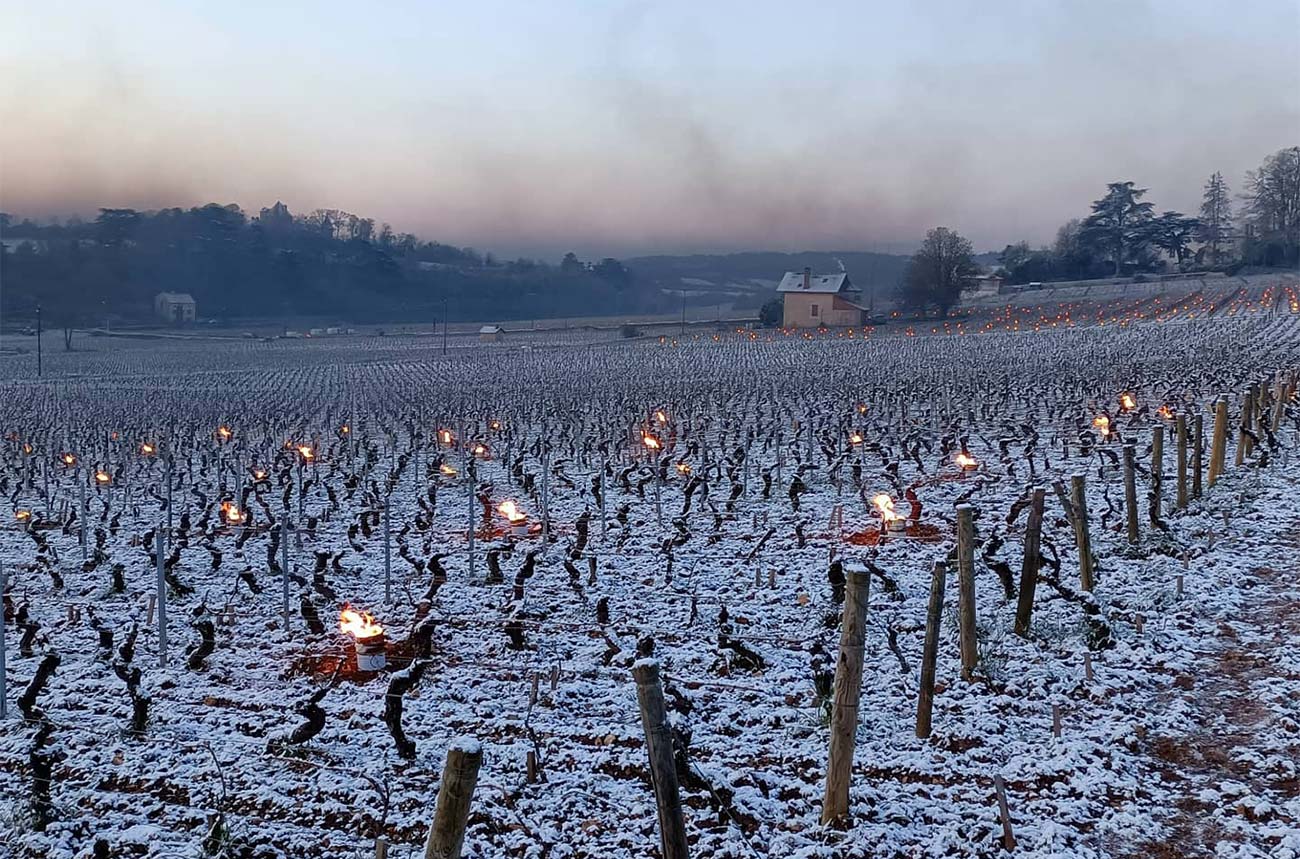
Moldovan May frosts caused heavy damage to fruit orchards

The first frosty nights of May have significantly worsened estimates of damage to Moldova's fruit sector from spring frosts. 

07.05.2026

India - Over 3,000 nilgai killed to curb crop damage

A total of 3,092 ghodparas (blue bull), commonly known as nilgai, have been killed in state in the financial year 2025-26 as the department of environment, forest and climate change intensified action to protect crops from animal attacks.

07.05.2026

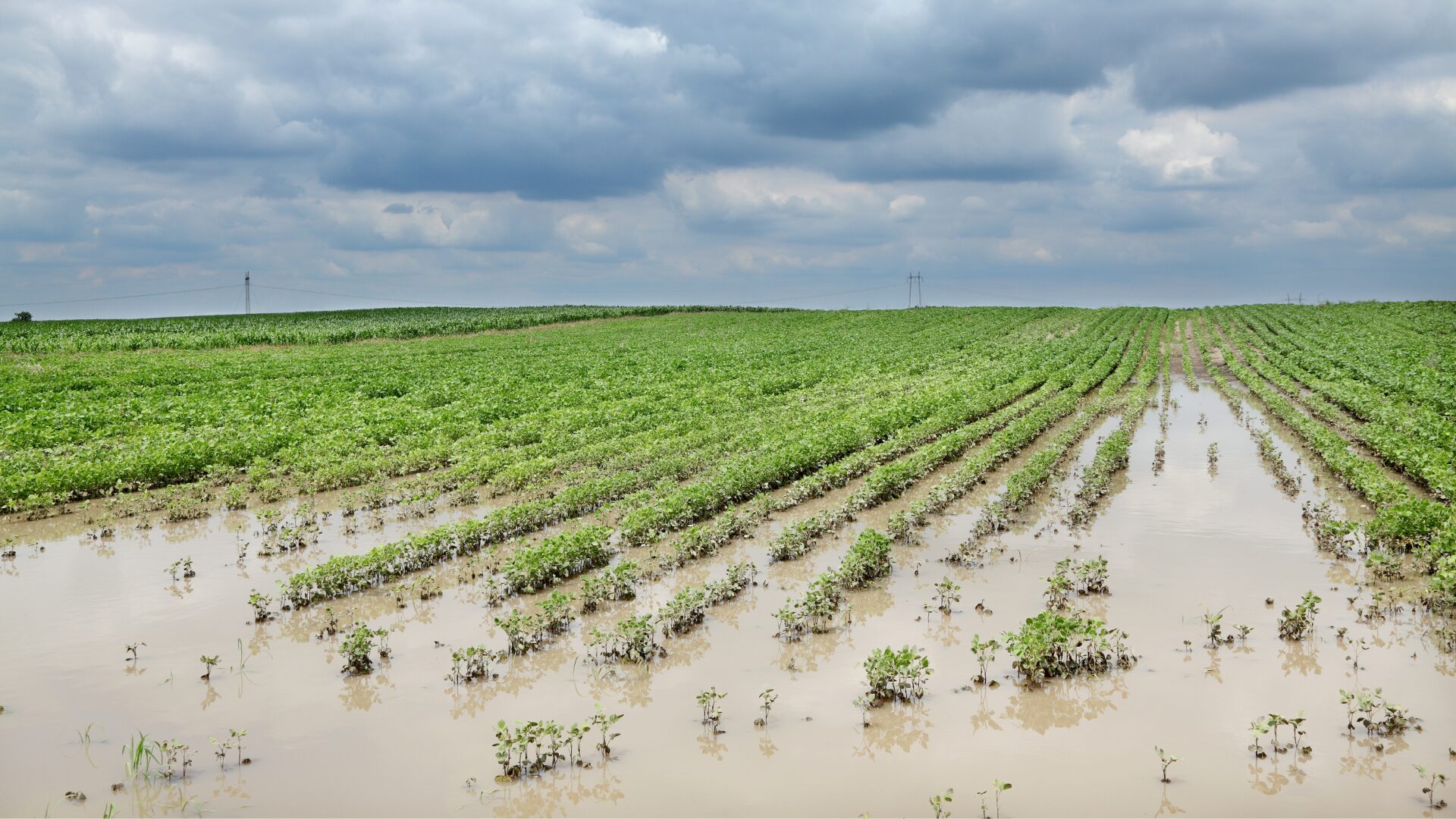
Bangladesh - Haor flooding damages crops, hits nearly 50,000 farmers

Continuous heavy rainfall and upstream water flow have caused extensive agricultural damage across the district, affecting nearly 50,000 farmers, according to the Department of Agricultural Extension (DAE).

07.05.2026

Adverse weather causes AZN 13 million damage to Azerbaijan's agriculture sector

Unfavorable weather conditions observed in Azerbaijan over recent months have caused approximately 13 million manat (about $7.65 million) in damage to the agricultural sector, Fuad Sadigov, Chairman of the Board of the Agricultural Insurance Fund, at the Insurance Umbrella of the Agricultural Sector Against Risks forum in Baku.

07.05.2026

USA - Hudson Insurance hit with bad-faith suit over halved crop payouts

Federal regulator backs growers after carrier cut tobacco loss checks in half.

07.05.2026

India - Rs 9 Crore Crop Insurance Scam Busted, Minister Halts Claims

A major alleged fraud involving crores of rupees under the Pradhan Mantri Fasal Bima Yojana has surfaced in Rajasthan’s Hanumangarh district.

05.05.2026

Climate change: challenges and opportunities for crop insurance in Canada

The pandemic we have just come out of reminded us of the importance of maintaining robust food sovereignty in our country, provinces and cities. 

05.05.2026

Azerbaijan, Uzbekistan hold talks on agro-industrial collaboration

On May 5, Minister of Agriculture Majnun Mammadov met with a delegation from Uzbekistan led by Minister of Agriculture Ibrokhim Abdurakhmonov, who attended the 19th Azerbaijan International Agricultural Exhibition (Caspian Agro Week), to discuss bilateral cooperation in the agricultural sector, Trend reports.