With most grain crops mired in bear markets, Oklahoma farmer Sherwin Ratzlaff figures his only chance to break even is to expand supplies of wheat that already are in surplus.
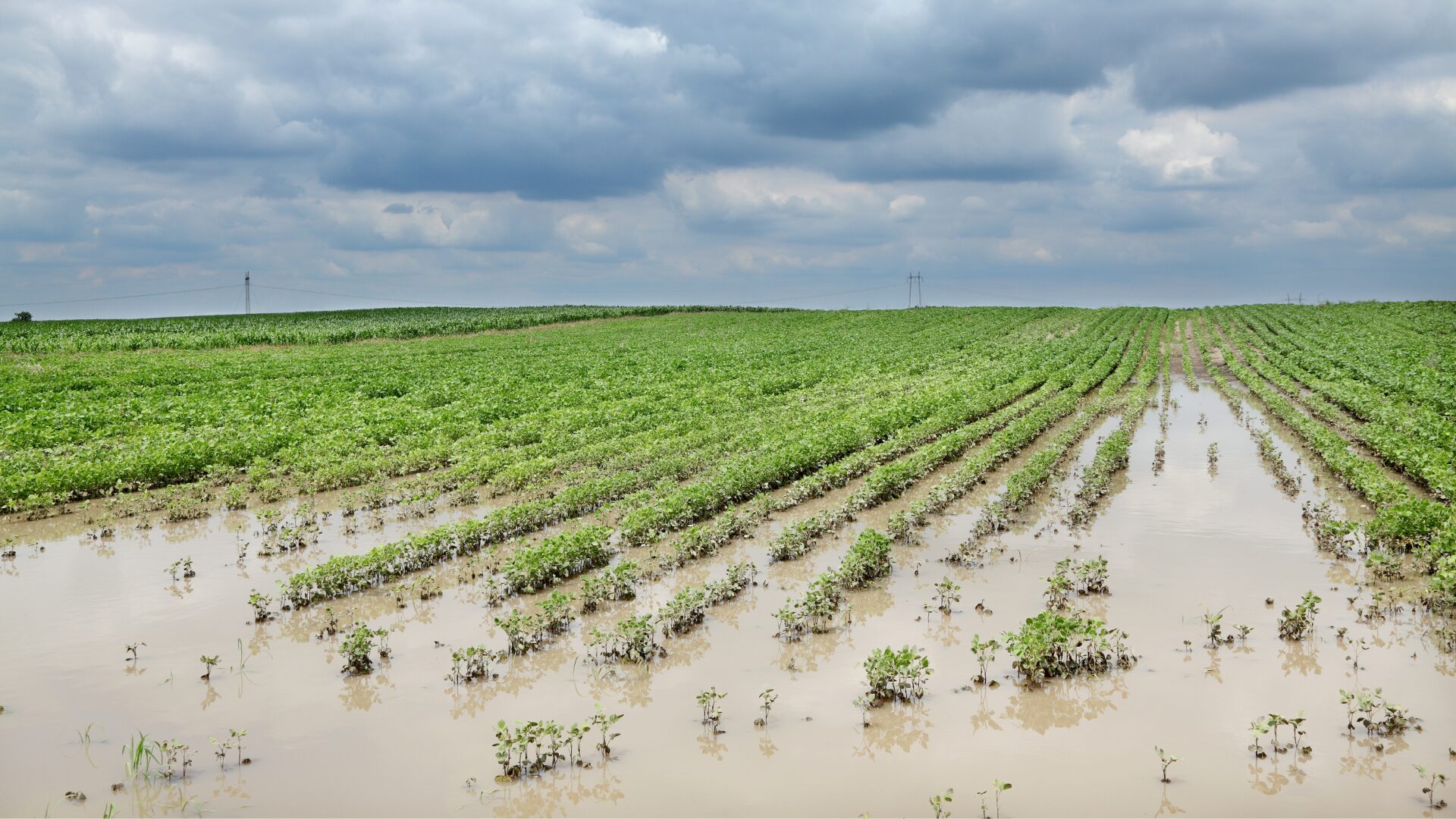
“Wheat offers a better bottom-line return than planting corn, milo or canola,” Ratzlaff, 71, said by telephone from his farm near Enid, Okla. He boosted seedings of winter wheat that will be harvested in June by 18 percent from 2013 to 2,000 acres. “I’m optimistic that we can grow a good crop because we got rain after we finished planting.”
He’s not alone. U.S. growers, the largest exporters, will seed the most winter wheat since 2007, according to a Bloomberg survey of 12 analysts. While wheat wasn’t spared from price slumps, growing conditions have improved in the Great Plains after a drought led to a 2014 harvest that was smallest in eight years, and government crop-insurance programs are providing wheat with a better floor for revenue than other crops.
Increased sowing in the U.S. means that the global glut, already forecast by the government at a three-year high, probably will get even bigger. That’s good news for bakers, who are paying 5.5 percent less for flour than they were in January. Panera Bread said July 30 that its costs for fresh dough will decline through the end of the year.
Even with Chicago wheat futures down 13 percent this year to $5.255 a bushel, that’s still above variable costs for most growers of about $4.50, based on six years of farm-production data, according to Dan O’Brien, an economist at Kansas State University in Colby. Corn futures are down 14 percent to $3.6425 a bushel, barely ahead of production costs near $3.50. That’s enough of an incentive to encourage more wheat output next year, O’Brien said.
“We used to insure for profit, and now we are shooting to cover costs,” said Carmen Egging-Draper, a Scottsbluff, Neb.-based insurance specialist for Farm Credit Services of America, which counts 50,000 farmers and ranchers as members of its financial cooperative. “Most farmers have finished planting with nearly ideal soil conditions.”
Bumper U.S. harvests in 2014 have pushed crop prices so low that taxpayers probably will pay about $4 billion more in subsidies and crop-insurance payments to growers than anticipated when a five-year farm law was passed in February, according to Vincent Smith, director of the Agricultural Marketing Policy Center at Montana State University.
The Bloomberg Agriculture Index of seven farm products, excluding livestock, has tumbled 24 percent since the end of April. The Bloomberg Commodity Index of 22 raw materials declined 15 percent over the same period, while the MSCI All- World Index of equities slid 1.3 percent. The Bloomberg Treasury Bond Index advanced 2.8 percent.
American farm income this year was estimated to fall 14 percent to $113.2 billion, the government said Aug. 26. Since the forecast, prices for corn, the biggest U.S. crop, dropped 0.5 percent, while wheat, the fourth-largest, fell 6.1 percent.
Goldman Sachs is expecting more losses. The bank expects wheat to reach $4.50 as quickly as within three months, saying in a Sept. 30 report that grain and oilseed prices need to fall near the cost of production to discourage farmers from planting more.
While winter-wheat farmers in September got off to their fastest start to planting since 2006, rain has slowed progress this month from Missouri to Michigan, where farmers grow mostly soft-red varieties, data from the U.S. Department of Agriculture show. Farmers sowed 84 percent of the crop as of Sunday, Oct. 26, compared with 85 percent a year earlier, the USDA said Monday. Illinois was 41 percent done, compared with 75 percent on average for the date in the previous five years, while Indiana and Ohio were eight percentage points behind.
“It is too early to definitively say that planting delays will translate into reduced yield potential,” Bennett Meier, a Morgan Stanley analyst, said in a report Oct. 21. “However, persistence or worsening of these delays into November could pose a yield risk, as plants may not have enough time to emerge before the ground freezes.”
Wheat production in Kansas, the biggest U.S. grower, fell 23 percent to a 15-year low in 2014 as drought and freeze cut yields 30 percent, USDA data show. Growing conditions have improved. About 10 percent of the Plains had moderate to extreme drought as of Oct. 21, down from 22 percent a year earlier. Farmers still need normal moisture from February through May for the best yields.
Planting of winter wheat, which accounts for about 70 percent of all U.S. wheat output, will increase 2.6 percent to 43.51 million acres, a Bloomberg survey of 12 analysts showed. Acreage in Kansas may rise to a 17-year high, said Jeff Kahle, the managing director for Quinter, Kansas-based United Plains Ag Cooperative, which buys grains in about 18 counties in western Kansas and Eastern Colorado.
This year’s record wheat, corn and soybean harvests are cutting global food prices, with the United Nations reporting a sixth straight drop for costs in September, the longest slide since 2009. Cereal costs fell 15 percent since April to the lowest since July 2010. U.S. consumers paid about 51.3 cents a pound for flour in September, down 1.7 percent from a year earlier. Moderating wheat prices will help lower costs for dough at Panera, Chief Financial Officer Roger Matthews, said on a July 30 earnings call. The St. Louis-based company will report third-quarter earnings Tuesday.
The outlook for more U.S. grain comes amid slowing demand. Exports this year will fall 21 percent to the lowest since 2010 amid increasing competition from other growers, USDA said Oct. 10. Wheat production this year in the top nine shipping-nations rose 1.3 percent to 448.4 million metric tons, a second straight record.
Ukraine, Russia and Canada are all leveraging the dollar’s 5.6 gain in the past year to boost sales to some traditional U.S. customers. A stronger greenback makes U.S. exports less competitive with other suppliers.
“The big European crop and increasing supplies from the Black Sea region and Canada will temper U.S. export sales,” said Randy Mittelstaedt, the research director at Chicago-based R.J. O’Brien & Associates, a 100-year-old clearing member at the CME Group. “U.S. wheat is losing out on incremental business because it is not competitive with larger global competition. Every time the market pops higher, there will be increased farmer selling and reduced demand.”
Source - http://www.blackseagrain.net/