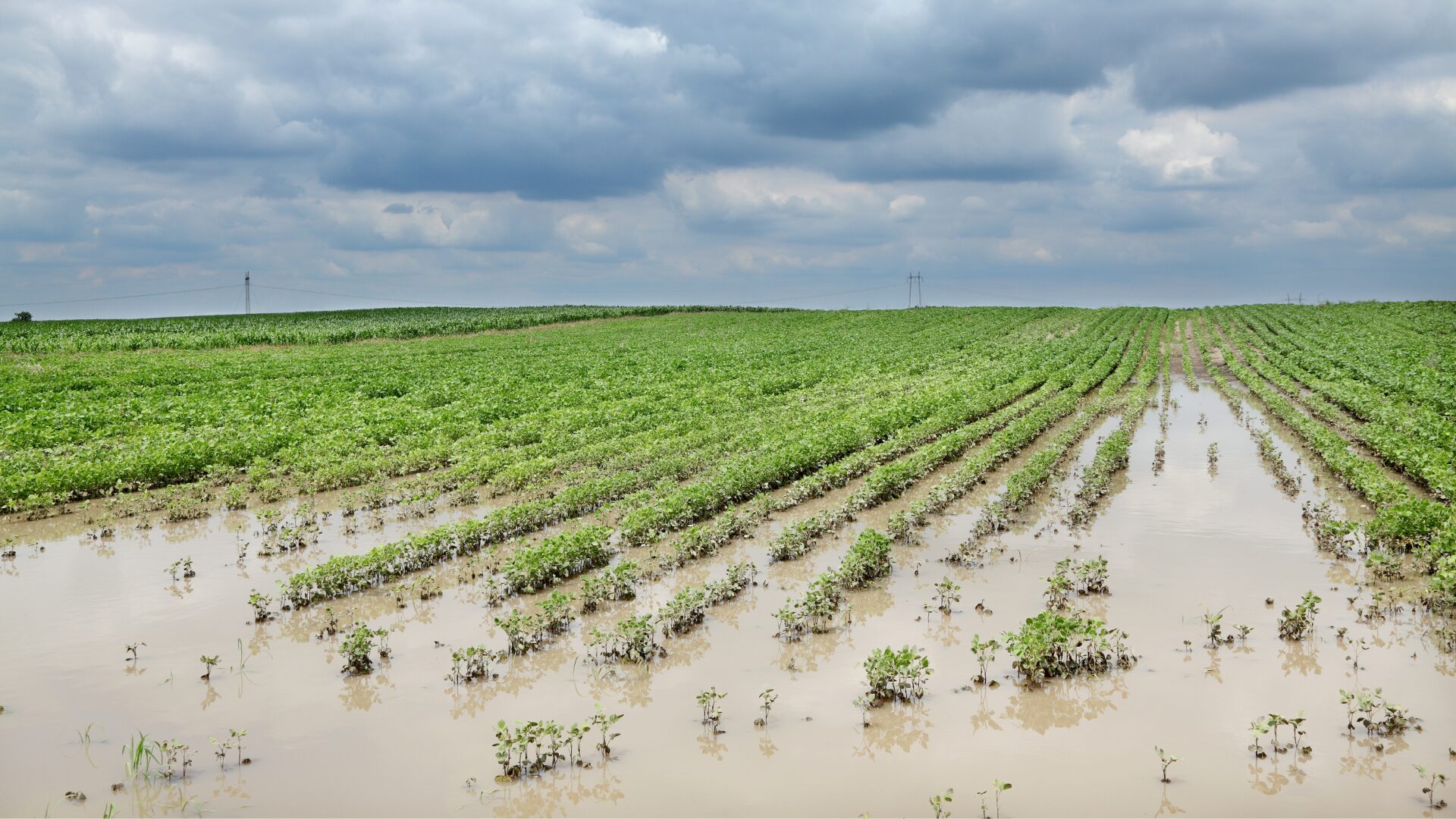
The wet fields that have delayed growers from harvesting also increases the risk for yield loss from wildlife damage and weak plant integrity due to unfavorable weather conditions.
Weather-related delays caused many growers to choose to let corn dry in the field, but the longer the corn sits, the greater potential it has for yield loss, said Peter Thomison, an Ohio State University Extension agronomist. OSU Extension is the outreach arm of Ohio State University’s College of Food, Agricultural, and Environmental Sciences.
“As the fields dry with warmer temperatures, that will help growers get into some fields that were previously too wet,” Thomison said. “Grain moisture content, above 25 to 28 percent, is still a concern that may delay harvest, because people want to see the moisture content drop down more.
“Some growers have dryers on their farm that can dry the grain down, but others would rather wait for the grain to dry on its own to save on fuel costs.”
In fact, delaying harvest beyond early to mid-November can result in yield losses from stalk lodging, ear drop and ear rot, he said. Letting corn dry in the field exposes the crop to unfavorable weather conditions as well as to wildlife damage. Although delaying harvest has little to no effect on grain quality traits such as oil, protein, starch and kernel breakage, it may result in more moldy grain, Thomison said.
Stalk lodging is a condition where the stalk breaks below the ear. It can delay the harvest, increase yield losses and raise drying costs.
“The longer we leave corn in the field, the more vulnerable it becomes to stalk lodging,” he said. “We are still at the mercy of the weather.
“If it stays warm and dry like this, with no windy weather, that will benefit growers. There is some evidence of stalk rot in some of these fields, which can make the corn more susceptible to lodging.”
As of Oct. 27, 36 percent of Ohio corn had been harvested for grain, compared to 46 percent that was harvested for grain at the same time last year, according to the Ohio Agricultural Statistics Service. The five-year average for harvested corn during this period is 44 percent, the agency said.
Thomison said many farmers haven’t harvested their corn because of unfavorable field conditions or are waiting for the corn to dry down further.
But according to research he conducted evaluating corn hybrids, the longer corn was left in the field, the more yield loss was experienced, with an average of 11 percent loss between mid-November and mid-December.
Thomison’s study was conducted at three locations statewide over a three-year period. It looked at the effects of four plant populations - 24,000, 30,000, 36,000, and 42,000 plants per acre at three different harvest dates, early to mid-October, November and December - on the agronomic performance of four hybrids at various levels of maturity and stalk quality.
The study found that:
- Nearly 90 percent of the yield loss associated with delayed corn harvest occurred when delays extended beyond mid-November.
- Grain moisture decreased nearly 6 percent between harvest dates in October and November. But delaying harvest after early to mid-November achieved almost no additional grain drying.
- Hybrids with lower stalk strength ratings experienced greater stalk rot, lodging and yield loss with a delayed harvest, while early harvest of the same hybrids eliminated this issue.
- Stalk rot incidence increased the most between harvest dates in October and November, while stalk lodging increased the most after early- to mid-November.
- Harvest delays had little or no effect on grain quality including oil, protein, starch, and kernel breakage.
“A lot of people are letting corn dry in fields as long as it can, but we encourage people to harvest promptly because we typically don’t see significant decreases in grain moisture after early to mid-November,” Thomison said.
While growers need to take into consideration grain moisture and how dry the fields are, Thomison recommends looking to those fields that show the potential for deterioration for early harvest and harvesting those with lodging and dropage first.
Source - http://www.cattlenetwork.com/