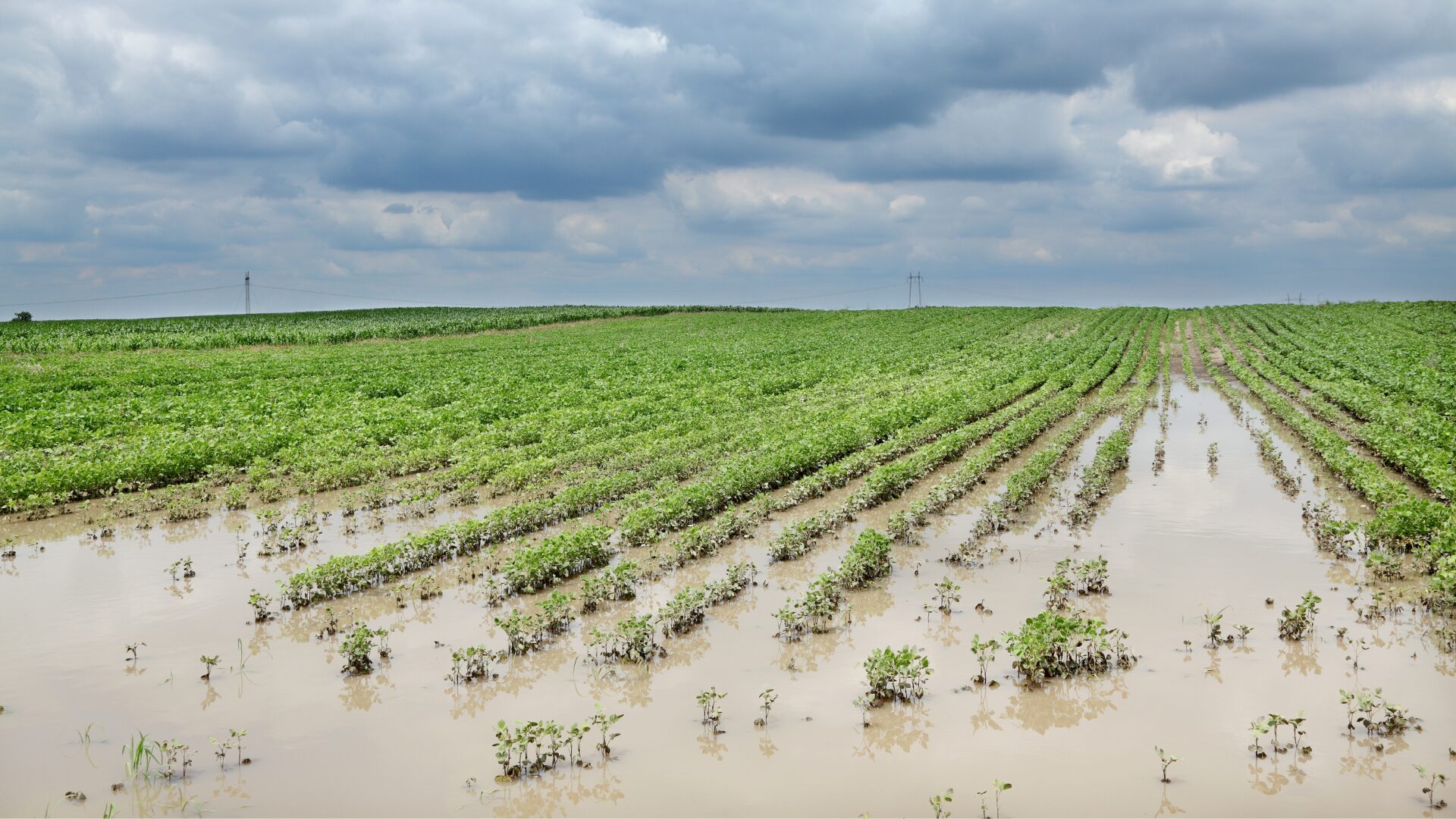
Flood-hit paddy crop on thousands of kanals at Hamdania Colony, Bemina, Darbal, HMT and several other adjoining areas on Srinagar outskirts has become a nuisance for the people.
The crop that was earlier hit by the floods has remained un-harvested and according to veterinarians, it is unfit even for the animal consumption and can spread infectious diseases if not taken care of.
According to the farmers, apart from their properties, they have suffered massive loss to the standing crop due to the floods. “We could only watch the destruction unleashed by the Doodhganga water channel when it breached its embankment and flooded our fields,” Ghulam Muhammad of Durbal said.
“Every year I would reap 20 to 30 quintal superior quality rice from my fields, but this season the floods took away everything,” he added.
“Revenue authorities have not assessed the loss to our crops despite several representations by us,” he said.
The farmers could not even reap the crop which was not washed away by the floods. The paddy fields spread over hundreds of kanals at Hajiabad area, Bemina are still full of mud and filth. “How could we harvest the crop when the fields are full of mud,” they said.
“Several cattle in the area have fallen ill and some even died after consuming the standing grass. Now we keep our cows tethered so as to prevent them from venturing into the fields and consuming the grass” Nasir Hussain a local said.
The standing paddy crop has become a nuisance, the farmers complained. “We tried to burn the paddy crop but it didn’t catch fire as it is still wet and splattered with mud. If it remains so during the winters, we won’t be able to do seed-ploughing next season” the farmers said.
Vet Scientist Dr A R Wani said: “Flood touched paddy grasses are not fit for animal consumption as they contain dirt and filth and are prone to bacterial, protozoa and parasitic infections.”
He said this grass could not be absorbed properly by the animals. “Flood damaged grass should be kept away from the reach of the animals and immediately burnt or buried under the ground,” he said.
“To destroy this grass easily, the fields should be ploughed so that it (the grass) is buried under the soil which can help improve soil fertility,” Wani suggested.
Source - http://www.greaterkashmir.com/