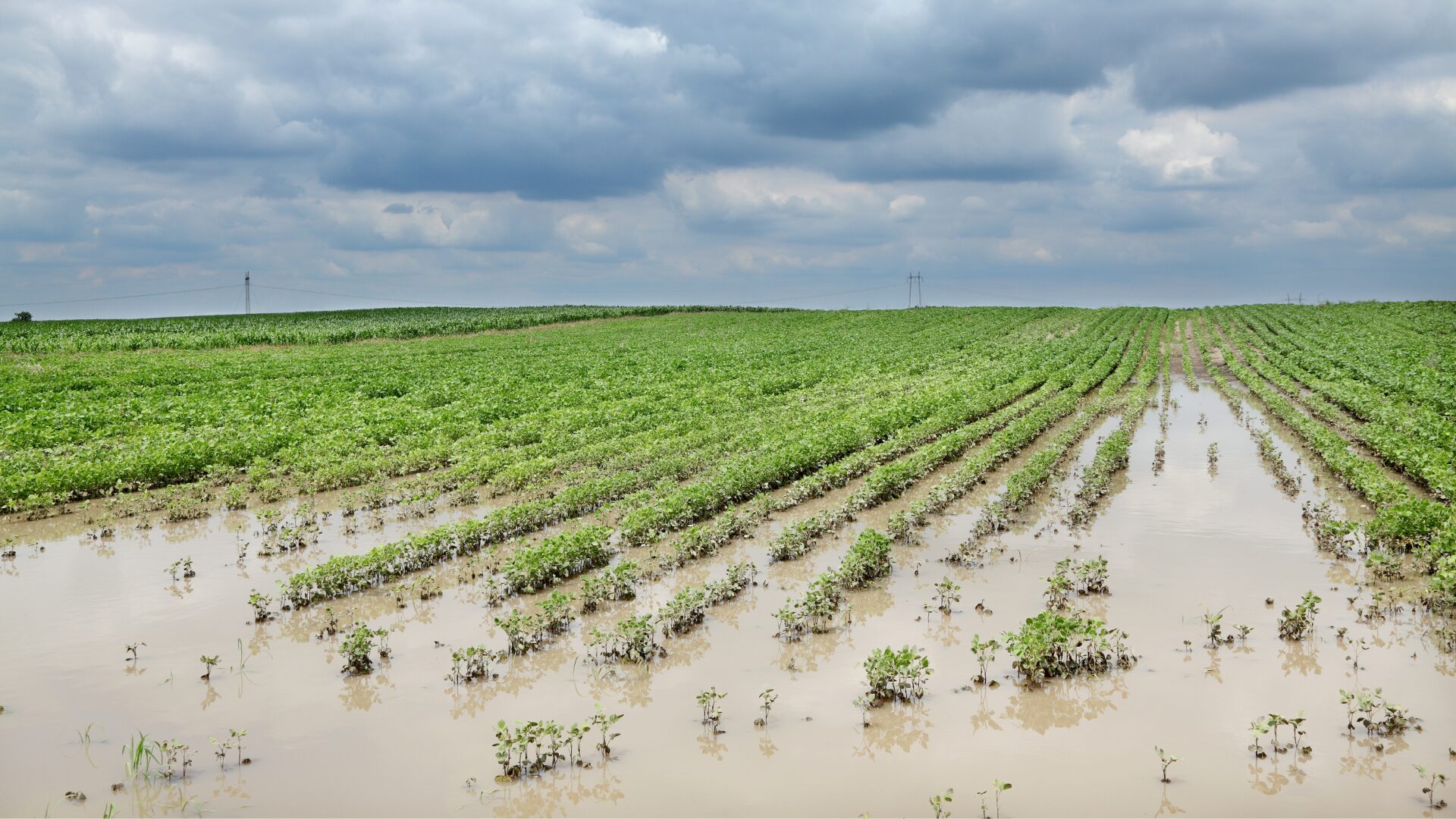
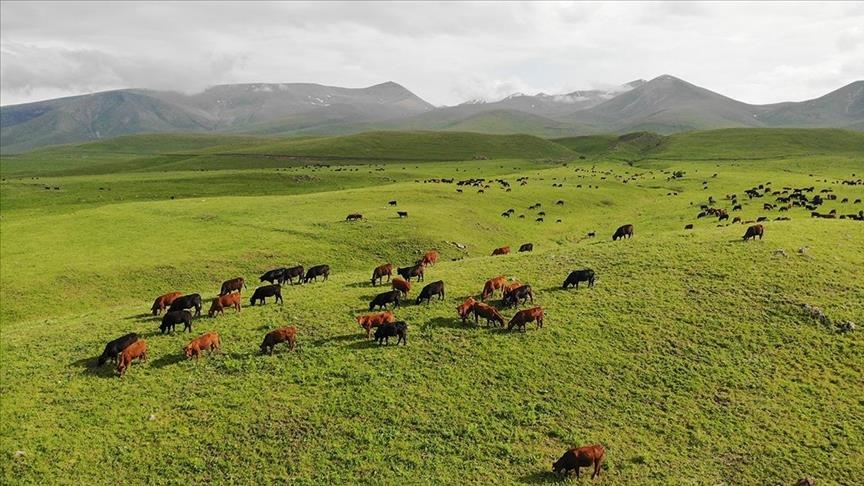
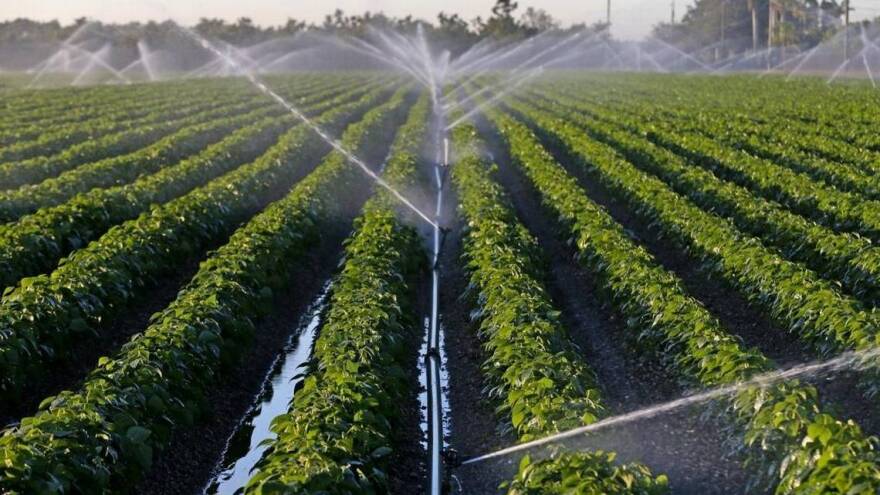
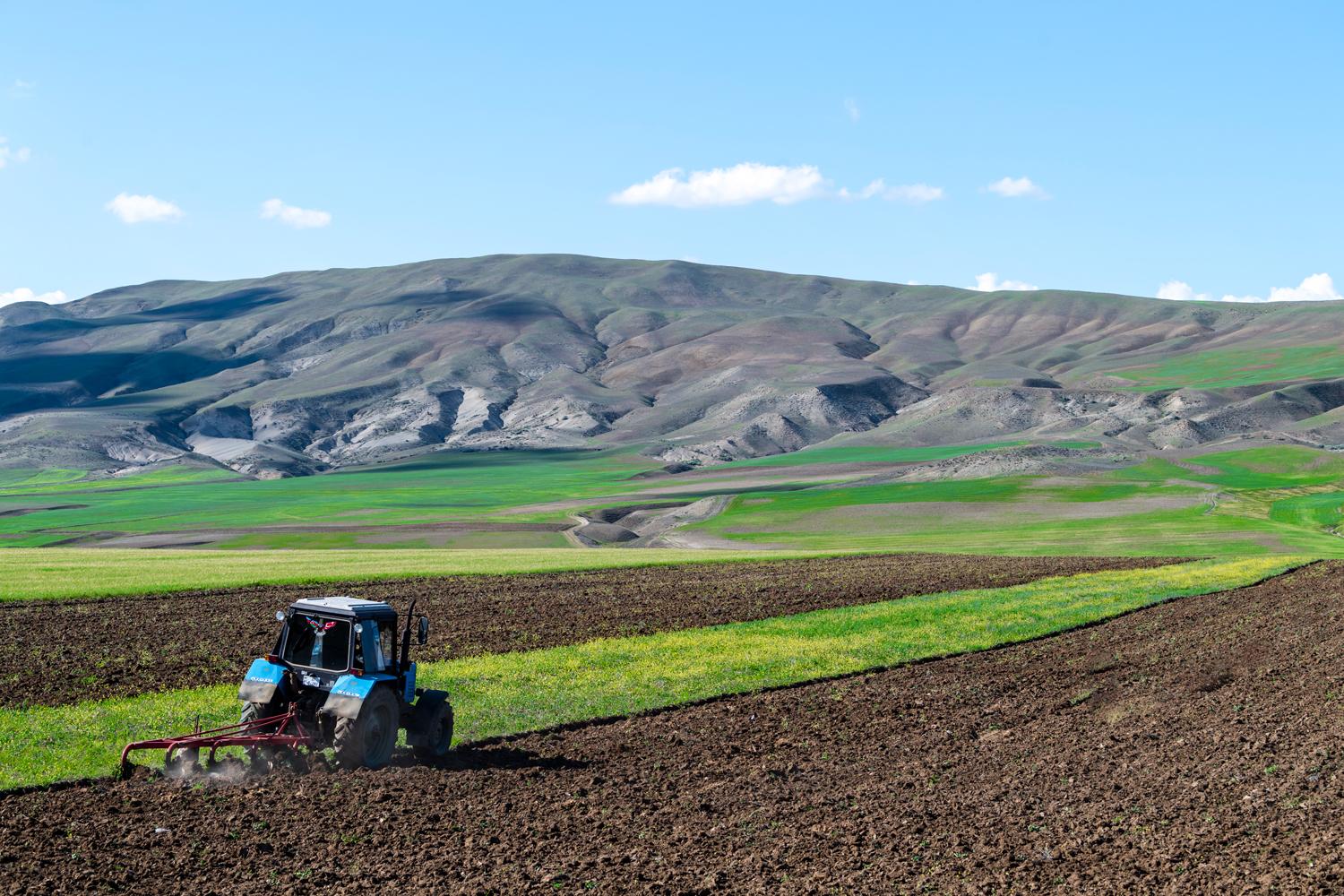
The Modified National Agriculture Insurance Scheme introduced in 2010 by the Union ministry of agriculture to provide financial support to farmers in case of crop damage due to natural calamities, diseases and pests, has not benefited farmers.
According to the farming community, it is the insurance companies which are raking in profits on account of the operation of scheme by adopting the "area approach" instead of judging each case individually. As one farmer pointed out, damage must cover at least 75% of the gram panchayat area where a particular crop is cultivated or else no compensation is paid.
Now, the farmers fear that if the insurance sector is opened to foreign direct investment (FDI), things could get worse for them.
These views were expressed by farmers of Pilibhit district when TOI tried to ascertain their views about the national agriculture insurance scheme.
Manjit Singh from Bela Pukhra village, Jarnail Singh Jolly of Skaria, Rakshpal Singh from Katakpua and Jaspal Singh from Chatarbhojpur village were some farmers while speaking to TOI termed the MNAIS as defective scheme and the burden on farmers. It completely neglects losses of individual farmers in a situation where there were no widespread damages to crops in the area. The banks are empowered to forcibly charge the premium of crop insurance from the loan accounts of the farmers even if they are reluctant to avail the scheme.
They warned that farmers would keep facing big losses until the assessment of the loss to crop is not initiated on an individual basis. They termed it a violation of fundamental right if a payer of insurance premium is denied the benefits of compensation.
They pointed out that the official figures of crop insurance premium and the compensation government paid to cover damages reveal how the scheme is proving to be anti-farmer.
The deputy director of agriculture AK Singh told TOI that under the Modified National Agricultural Insurance Scheme (MNAIS), in 2011-12, the total premium of crop insurance charged from farmers was Rs 1.49 crore against which the farmers were given compensation of only Rs 25.24 lakh towards damage to their crops. Likewise, in the next financial year, the corresponding figures were Rs 65.56 lakh and Rs 5.89 lakh marking a difference of 65.56 lakh between the amount of premium and the compensation. In the current financial year, the banks had charged the highest-ever premium from farmers (valued at Rs 411 lakh) only in the Kharif season, he explained.
He explained that the premium of crop insurance is compulsorily charged by banks from those farmers who are the holders of agriculture loan accounts in the form of KCC (Kisan Credit Cards) and the premium amount is debited directly to their respective loan accounts. However, those farmers who have not taken a loan from the banks can decide whether they wish to avail of a crop insurance policy or not.
He said MNAIS provides insurance coverage to all crops — foodgrains, oilseeds and annual commercial crops — provided these are primarily produced in the respective district. For the district of Pilibhit, wheat and mustard are the permitted crops for insurance in the Rabi season while paddy and sugarcane have been assigned for Kharif season, he added.
AK Singh told that the amount of crop insurance premium varies in different districts as well as from crop to crop. For the current fiscal year, a total of 5.59% premium, on sum insured, has been fixed for paddy crop, in Pilibhit district, of which 3% would be borne by the farmer while the remaining share would be contributed by the central and the state governments in 50:50 ratio.
For sugarcane, a premium of 2.49% has been fixed with 2% share of farmers, mustard crop has 4.34% premium making the farmers contribute 2.60% share and wheat crop would need 2% premium without any contribution of the government, the deputy director said.
Source - http://timesofindia.indiatimes.com/