One year after Typhoon Haiyan devastated coastal and farmland areas in the central Philippines, farmers and fishers are well on the road to recovery and building more resilient livelihoods.
FAO, in close collaboration with the government of the Philippines, is reaching out to communities in severely affected areas through some 22 projects across the MIMAROPA, Western, Central and Eastern Visayas regions.
"Farmers are the backbone of this recovery and the key to build community resilience to future disasters," said FAO Director General José Graziano da Silva on the eve of the one-year anniversary.
"Their work now will ensure that when the next typhoon hits, the impacts are smaller and they are able to recover quicker," he added, having witnessed local rebuilding efforts first hand during a visit to affected areas in March of this year.
Typhoon Haiyan's record force decimated crop fields, orchards, fishing boats and gear - virtually all productive assets that rural and coastal families base their lives upon- causing losses to agriculture across the nine affected regions and threatening the nation's food security.
Within hours of the Typhoon making landfall around, 1.1 million tonnes of crops, 44 million coconut trees suffered severe damage, as did fishing communities along some of the country's most productive shores.
"With one-third of the country relying on the agriculture sector for their livelihood, it is crucial to get people back on their feet as quickly as possible and assist them in rebuilding their lives," said FAO Representative to the Philippines José Luis Fernandez, adding that "We need to start building people's ability to be self-reliant from day one."
Leveraging nearly $40 million in support from the international community, FAO and local authorities have been providing assistance to 150,000 farming and fishing families (some 750,000 people), in four critical areas of intervention: rice and corn farming, fisheries and coastal communities, coconut-based farming systems, and coastal/mangrove forest rehabilitation.
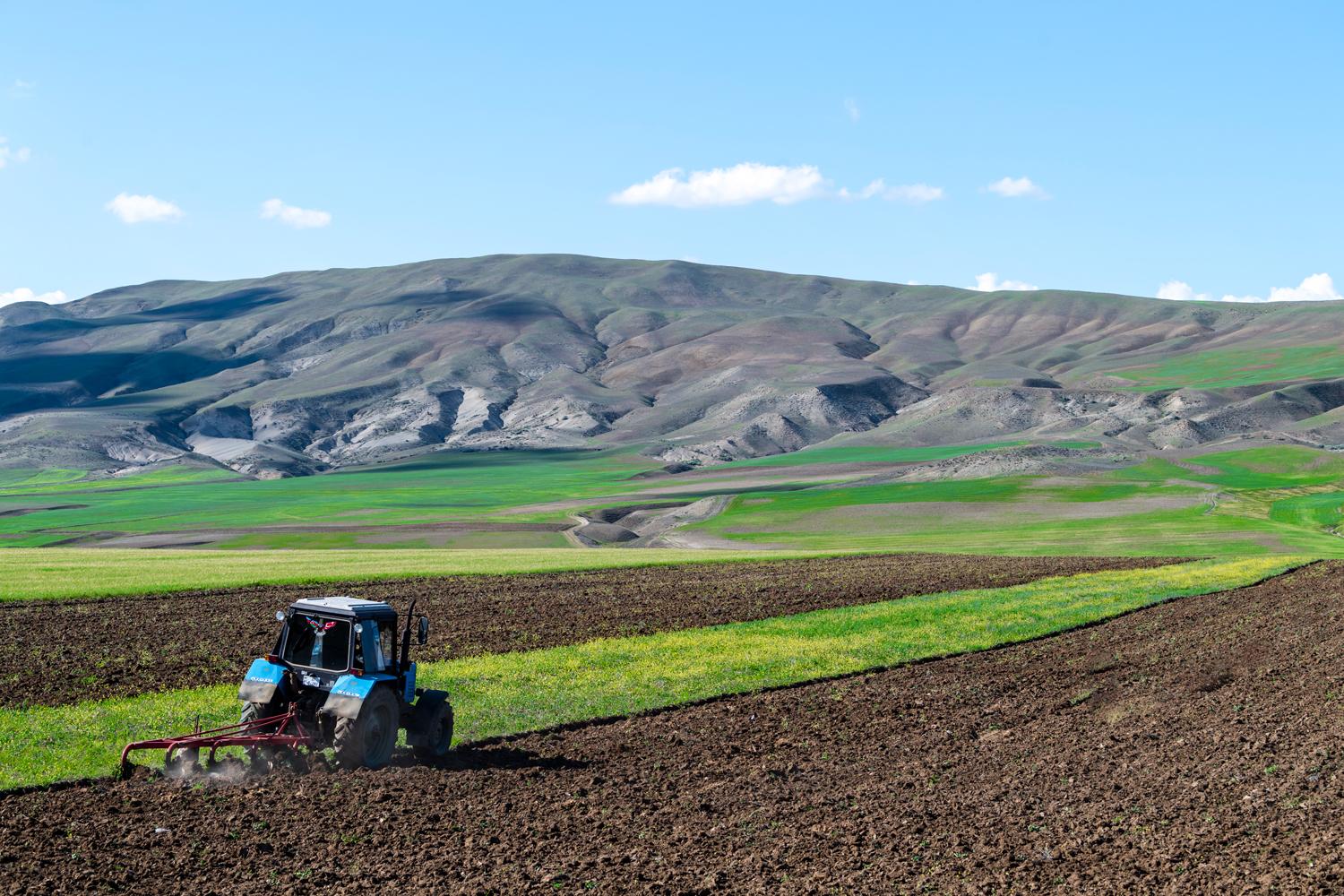
Rice farmers bounce back
In response to a request by the government of the Philippines, within weeks of the disaster, FAO began distributing rice production packages in time for the December/January planting season, enabling farmers to bring in their first crop without skipping one harvesting season. These rice farmers have already sown their fields for the second time with the certified rice seed and are now harvesting the second time since the typhoon.
"Farmers have been key responders in this emergency," Mr Fernandez underscored.
"We helped them source seed to plant in time. They, in turn, filled local markets with rice four months later. Without their perseverance, food aid and other forms of humanitarian assistance would have been required much longer and for many more people."
Since December, FAO has provided some 100,000 rice and corn farming households (some 500,000 people) with certified rice seed, corn seed, fertilizer and hand tools.
In order to further build resilience and make accessing markets easier, FAO is providing water- and-pest-resistant storage containers to protect farmers' seeds, along with drying nets and post-harvest equipment, and is training farmers in how to reduce post-harvest losses.
Looking at the future: Improving sustainable practices
With an estimated 30,000 small-scale fishing boats lost, damaged or destroyed, nearly two-thirds of fishing communities lost their productive assets. FAO is working closely with local authorities to restore fisheries-related livelihoods while paving the way for more sustainable development.
"The rehabilitation process of the fisheries sector, presents the opportunity to introduce improved practices and help small-scale traders and fish processors add more value to their production," said Mr Fernandez.
Because mangroves play a key role in stabilising coastlines against weather shocks and contribute to aquaculture and fisheries, FAO is working with local communities and organizations to promote the rehabilitation of natural mangrove forests.
Women, who are essential to post-harvesting activities like conserving, selling and trading fish, are being trained how to add extra value to their products.
FAO and partners are also training boat builders on the construction and maintenance of a newly developed hybrid wood-and-fibreglass boat, which will provide a more environmentally sustainable and cost-effective option for fishers. This is being complemented by the distribution of various inputs, such as boat engines, fishing gear, seaweed and fish production kits.
In all, the fisheries programme is extending support to 19,000 families in the target regions, which benefits some 95 000 people.
Beyond coconuts
Given that newly planted coconut trees take an average of six to eight years to be ready for harvest, support to coconut farmers has focused on providing affected families with alternative sources of livelihood.
"Diversifying sources of income also gives families an added buffer against future shocks," Mr Fernandez noted.
FAO has been providing agricultural inputs like vegetable seeds, root and fruit crops, as well as livestock such as poultry and cows, which will also help families enrich and diversify their diet.
"Almost all of our animals perished from the typhoon. We have not started raising animals yet, but this assistance from FAO is crucial in allowing us to restart poultry and livestock-raising again," said Madeline Laubena, a coconut farmer from Aklan in Western Visayas.
Farmers are also being trained on seed production management, entrepreneurship and climate-resilient agricultural practices.
Over 35,000 coconut farming and agroforestry-reliant families are in the process of developing more diversified and resilient livelihoods through FAO's programme, which will benefit some 175,000 people.
Source - http://www.thecropsite.com/