Argentina's total fruit production during the 2013-2014 cycle reached 4.2 million tonnes, which represents a decrease of 19.8% compared to the previous campaign, when 5.3 million tonnes were harvested, according to data supplied by IES (Sectorial Economic Research), which predicted that vegetables would register a 6% drop.
Pears, apples, lemons, oranges, mandarins and grapefruit, which account for 85% of the production, totalled 3.61 million tonnes and, therefore, registered a 21.3% drop compared to the previous cycle.
Meanwhile, the expected vegetable production should further decline in the 2013-2014 season, reaching an estimated 3.9 million tonnes; 6% less than the previous year.
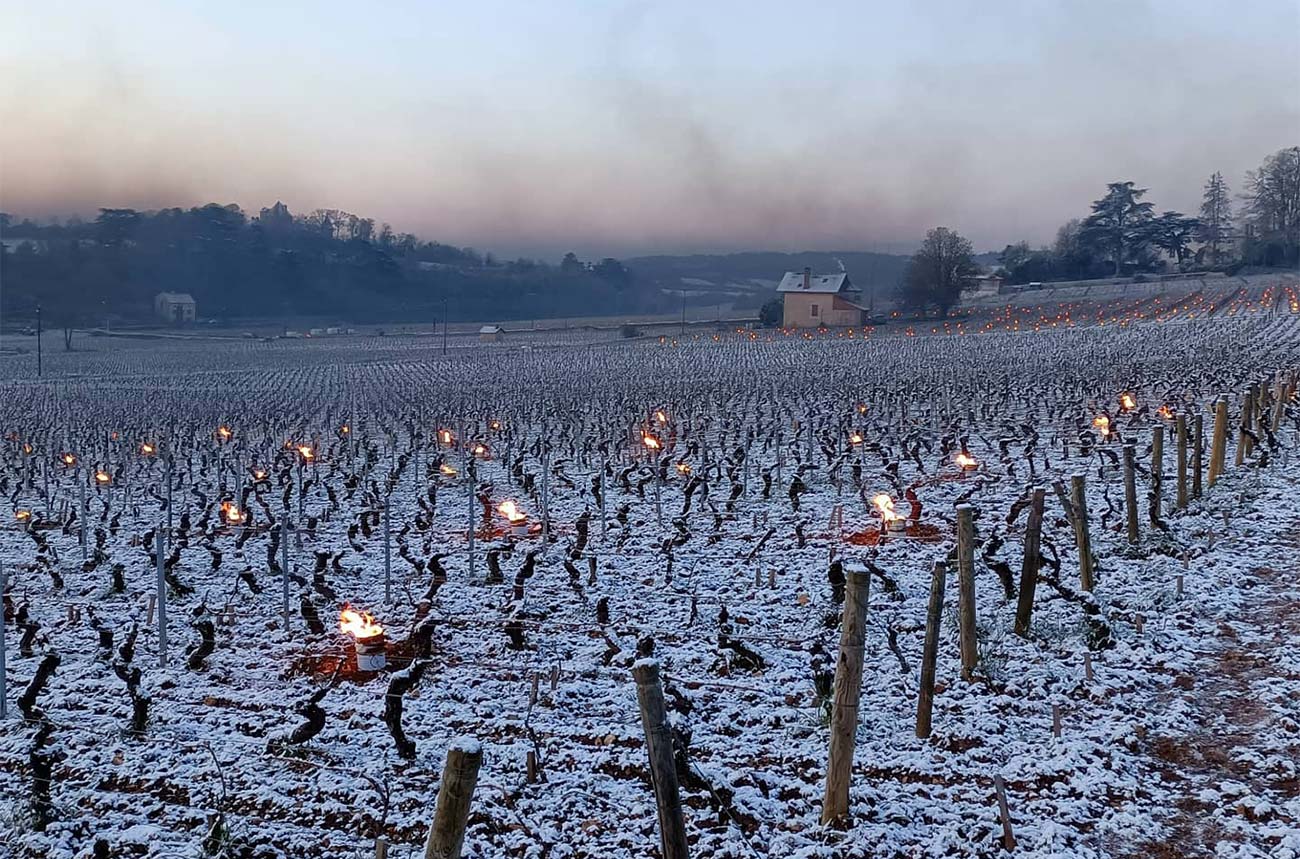
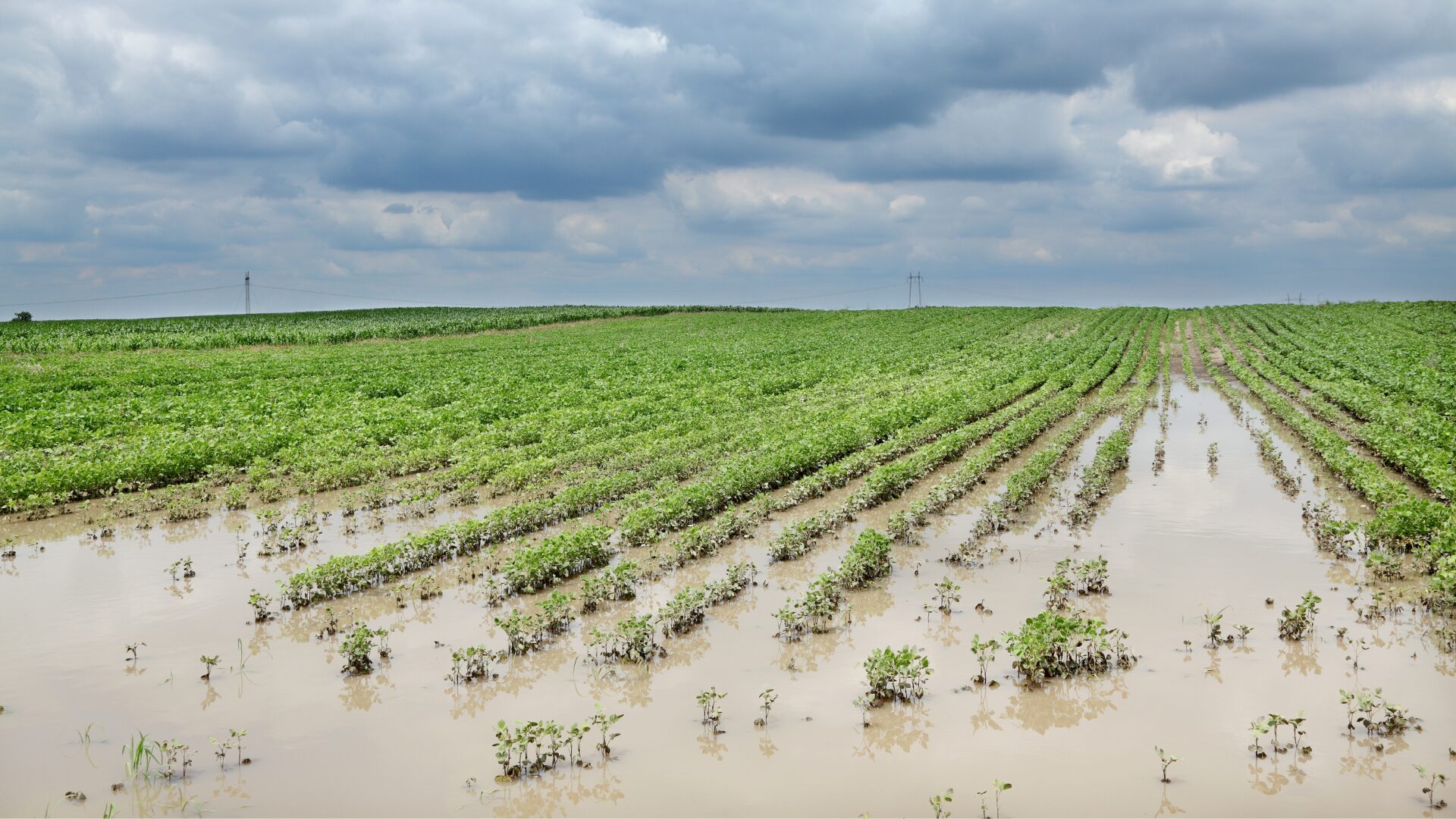
This sharp decline was due to the impact of meteorological factors that ruined plantations and reduced production volumes to the lowest levels in more than a decade.
They also stated that "there was a strong increase in prices and a drop in domestic consumption."
As for domestic sales, in nominal terms, 46.7% concentrate within the first nine months of the year "due to the 54.1% increase in average prices during that period."
"Fruit and vegetable sales volumes in the Central Market of Buenos Aires dropped by an overall 4.8%, "a 10% decline in fruits and 1.4% in vegetables."
With regard to fruit exports, they registered a drop of 18.2% in the first nine months of 2014, reaching a total of 751.6 million dollars.
"This is due to lower export volumes, which recorded a 19.9% decline this year," they said.
When analysing fruit exports by product, pears were the most sold overseas, followed by lemons and apples.
Source - http://www.freshplaza.com/