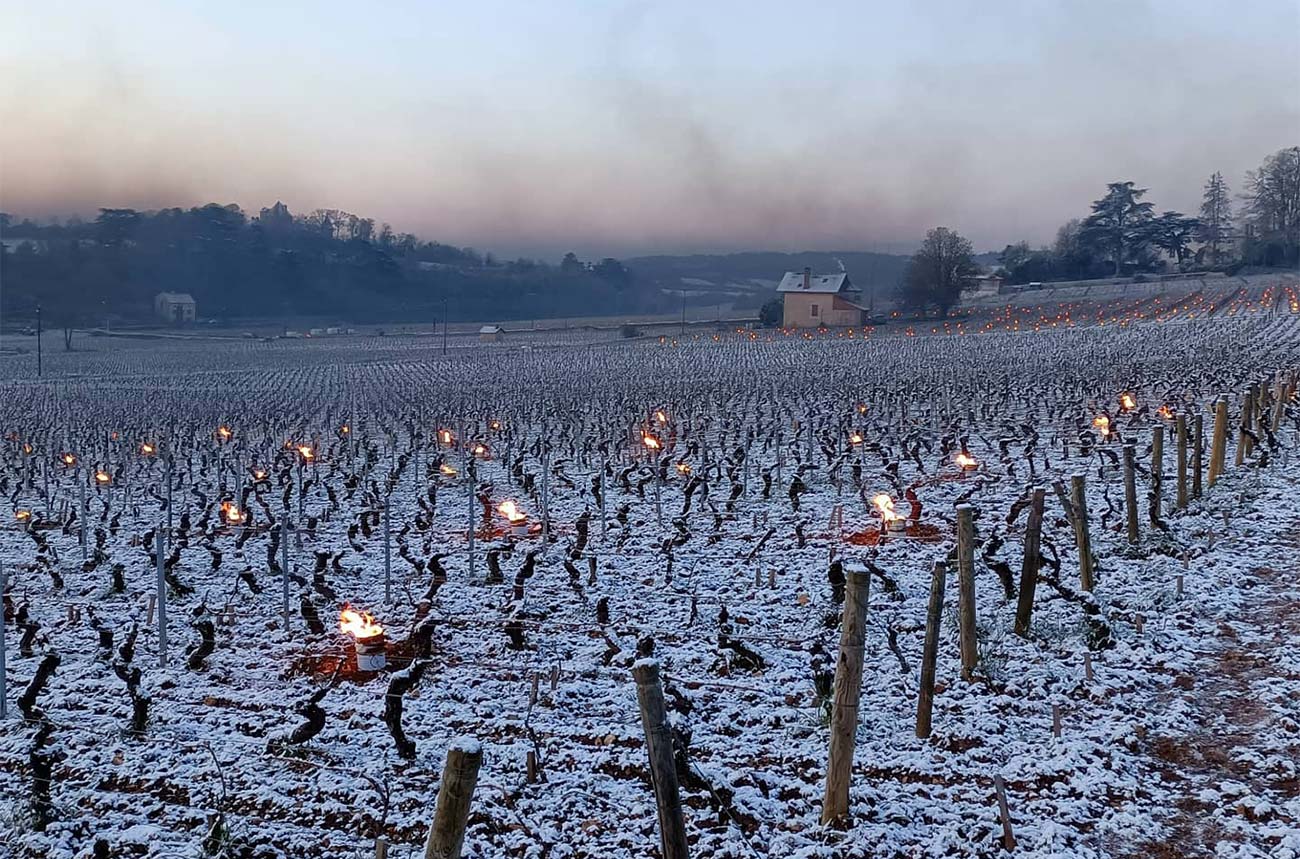
Snow Nov. 10 and 11 effectively shut down any remaining field work in central Minnesota. In Stearns County, there was nearly a foot of snow, while Kandiyohi County received approximately 10 inches in its first snow storm of the year.
To get so much snow so early was quite unusual, said Jodi DeJong-Hughes, University of Minnesota Extension educator based in the Willmar Regional Extension office. Snow may have arrived around the same time or earlier in previous years, but would maybe be a couple inches and later melt.
"This looks like it's staying for awhile," DeJong-Hughes said.
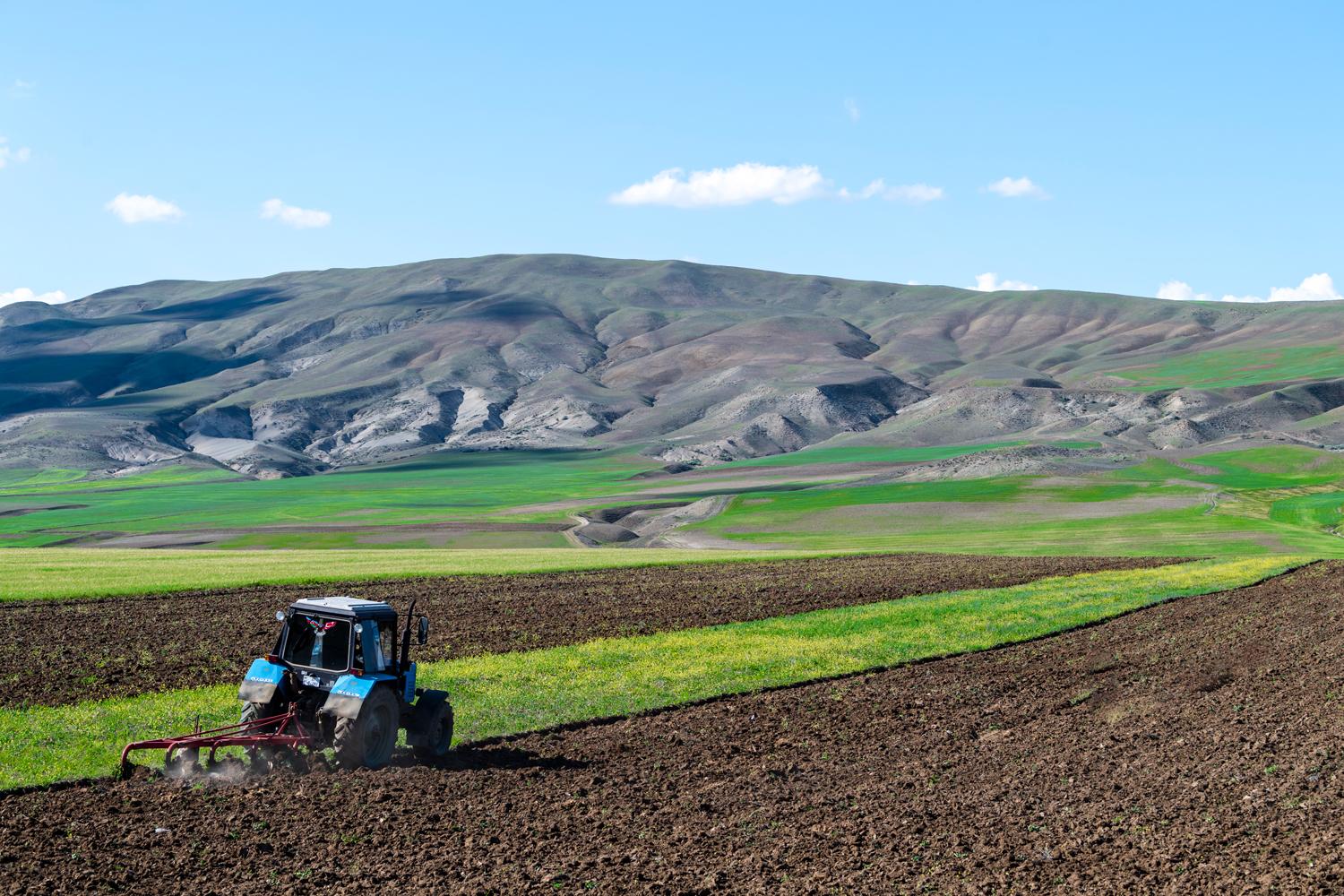
Luckily, most producers in west central Minnesota were out of the field already, with only a few spots of standing corn left. With more snow on the way and wind drifting the existing snow, DeJong-Hughes expects any remaining corn to stay in the field until spring. Advance warning of the storm spurred producers to get through their fields and get tillage done if they had the time, machinery and manpower to do so.
"They worked hard that weekend," DeJong-Hughes said. "They were pushing it. I saw a lot doing tillage right behind the combines."
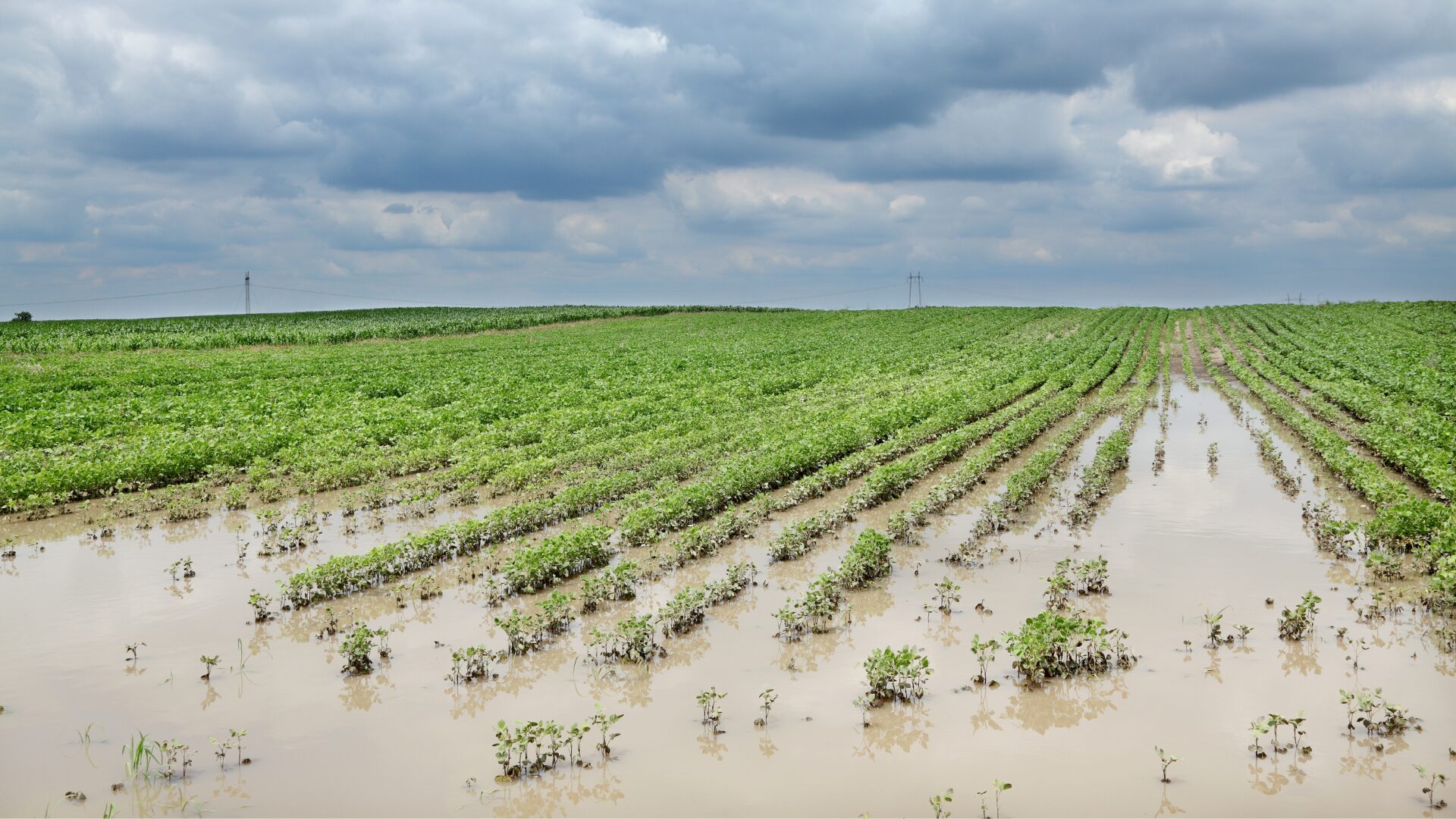
To the northeast, in Stearns County, there was also some corn left, primarily in fields where producers were hoping to get a little more dry down, said Dan Martens, Extension educator based at the St. Cloud Regional Extension office. The wet spring forced the area's producers to wait to get corn planted until the first week of June. With moisture still in the high 20s, the corn that did get in the field was destined to be chopped for silage, Martens said.
If the weather cooperates, producers would like to get into the field to salvage remaining crop, but conditions on the ground will determine whether that happens. The snow from the previous storm would need to settle down to a level combines could deal with, Martens said.
Even if some stranded crop survives the winter, stands will have more field loss due to droppage, stalks breaking and wildlife rummagers.
Martens was concerned about what producers in his area would do with manure that needs to be hauled. Most producers will need to make room in their storage facilities for wintertime accumulations and existing holdings will have to go somewhere, Martens said.
Soybean harvest was completed in both areas.
The most difficult thing about this growing season may be the brevity all around.
"We've had some years lately where crops have been delayed, but we've had longer falls to take care of that crop," Martens said. "It's been awhile since we've been shut down this significantly this early."
USDA says
Before the snow came through, the U.S. Department of Agriculture had made assessments for its November crop forecast. Even without the weather effects, the corn forecast for Minnesota was down 3 percent from the October forecast, to 1.29 billion bushes. That amount would be 1 percent lower than 2013's crop, according to the USDA's National Agricultural Statistics Service Crop Production report released Nov. 1.
Corn yields were expected to average 165 bushels per acre, up 5 bushels from 2013, but 5 bushels below the October forecast. Corn planted acreage is estimated at 8.3 million acres and acres to be harvested for grain is estimated at 7.8 million.
Minnesota soybean production is forecast at 305 million bushels, a 10 percent increase from the previous year, but unchanged from the October forecast. The Nov. 1 yield forecast of 42 bushels per acre is unchanged from October. Soybean planted acreage is estimated at 7.35 million acres with 7.27 million acres to be harvested.
Sugarbeet production is forecast at 9.83 million tons for Minnesota, down 6 percent from the previous forecast and 11 percent below 2013. Yield is forecast at 22.6 tons per acre, down 1.5 tons from the previous forecast and 3.4 tons per acre below last year's yield. Acres for harvest are up 9,000 acres from last year, at 435,000 acres.
Source - http://www.agrinews.com/