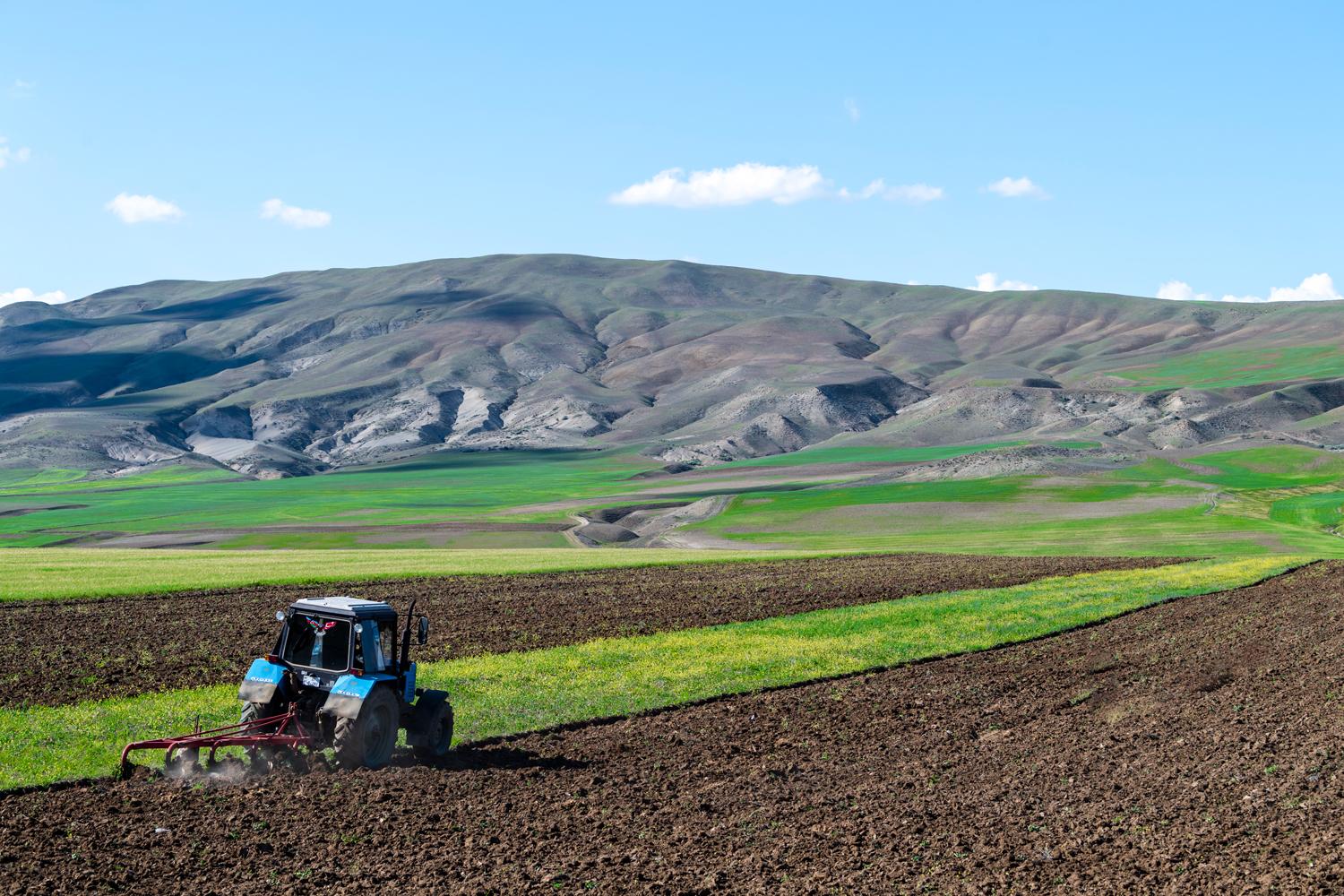
About 90 per cent of wheat sowing has been completed in Himachal Pradesh in the Rabi season, but the continued dry spell is causing anxiety to farmers who apprehend that it will affect the wheat crop.The Agricultural Department has fixed a target to cover 3.59 lakh hectares of land under wheat during the Rabi season and about 90 per cent target has been achieved, Deputy Director (Agriculture) Shyam Lal said.
The sowing time for wheat was from October to November so that the farmers could benefit from residual soil moisture due to delayed monsoon.
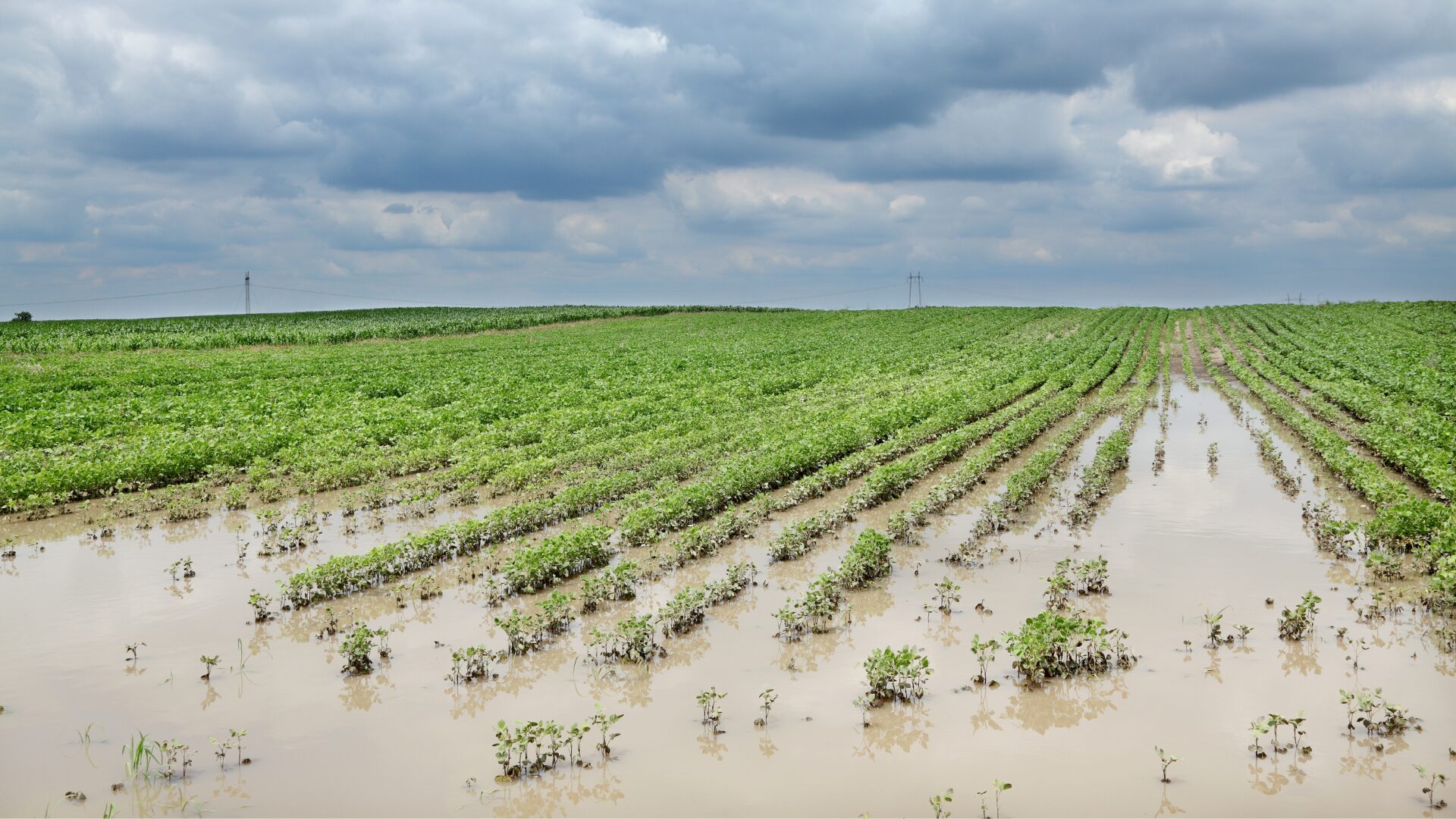
Himachal received 38 per cent deficient rains and the shortfall from October 1 to November 30 was 64 per cent but there was sufficient residual moisture for sowing of wheat and the current dry spell may not affect the crop, say agriculture experts.
The Union Government had prepared a Compensatory Rabi Production Plan to compensate for loss in production during the Kharif season with a suitable Rabi production plan in the districts that experienced deficit rainfall and also the districts which received normal rainfall during the monsoons.
The plan envisaged deployment of necessary inputs such as better management practices, including seed, fertiliser, implements, credit and other production incentives. The additional interventions to be adopted for higher productivity and production in the Rabi season included sowing of varieties suitable for early sowing under residual moisture conditions in different zones in wheat growing areas.
The Centre also asked state governments to focus on sowing on 3.37 million hectare area throughout the country that was left unsown during the Kharif season due to delayed monsoon and also concentrate on improving production of pulses and oil seeds during the Rabi season.
The deficit rainfall also led to poor prospects of groundwater recharge and less storage in some reservoirs which affected the normal Kharif output and to compensate the loss in Kharif season, the Centre has suggested two-pronged approach of promoting early Rabi cropping in unsown areas and adopting additional interventions in normal Rabi cropping situations.
The ideal temperature for germination of wheat seed was 20-30 degree C and the crop could be affected if dry spell continued and temperatures remained low.
Source - http://www.tribuneindia.com/