The ground beneath our feet is vital in so many ways, yet we mistreat it on a vast scale, says researcher Jane Mills – and we shouldn't just blame agriculture for our collective failure to look after it.
Just 1cm of soil can take more than 150 years to form. This is why soils are regarded as a non-renewable resource and must be adequately protected and conserved to ensure that their many functions are not lost or diminished.
Not only do they provide the food on which we depend, but they also have a role in the buffering and filtering of water and the storage of nutrients and carbon.
It is a resource that has until recently been largely neglected by policy-makers, who have tended to focus on biodiversity, air and water.
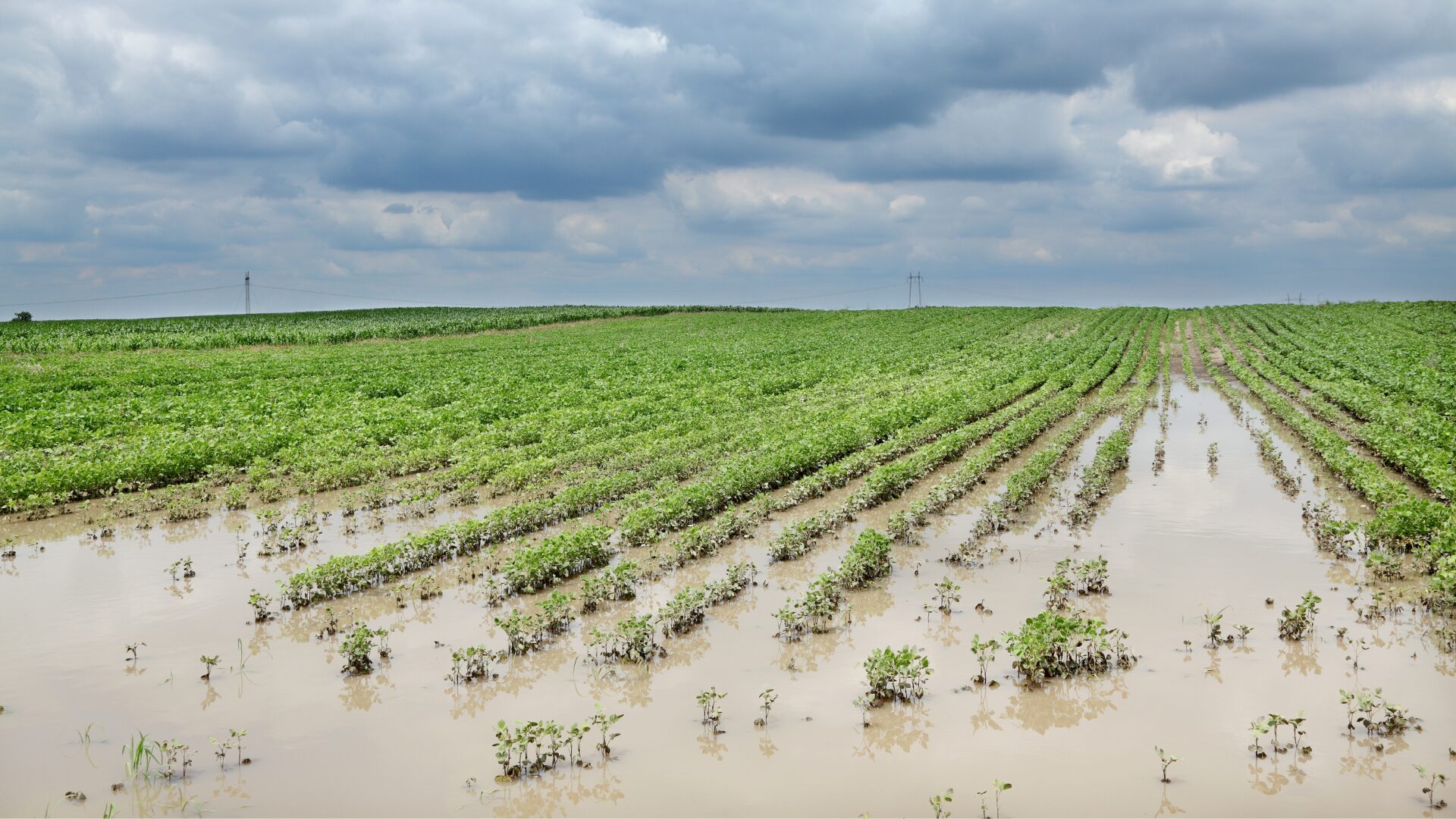
Our soils are vulnerable to periods of high rainfall, clearly illustrated by a satellite photo of the UK after the February 2014 floods which showed brown water flowing out from estuaries into the surrounding sea. Once washed away, this soil can take hundreds of years to be replaced and it is estimated that at such slow rates of soil formation, soil losses exceeding 1 ton/ha/year can be considered irreversible and unsustainable within a time span of 50-100 years. Part of the problem relates to changes in farm practices in recent decades, not least the move away from spring to winter cereals leaving the soil bare and vulnerable over winter.
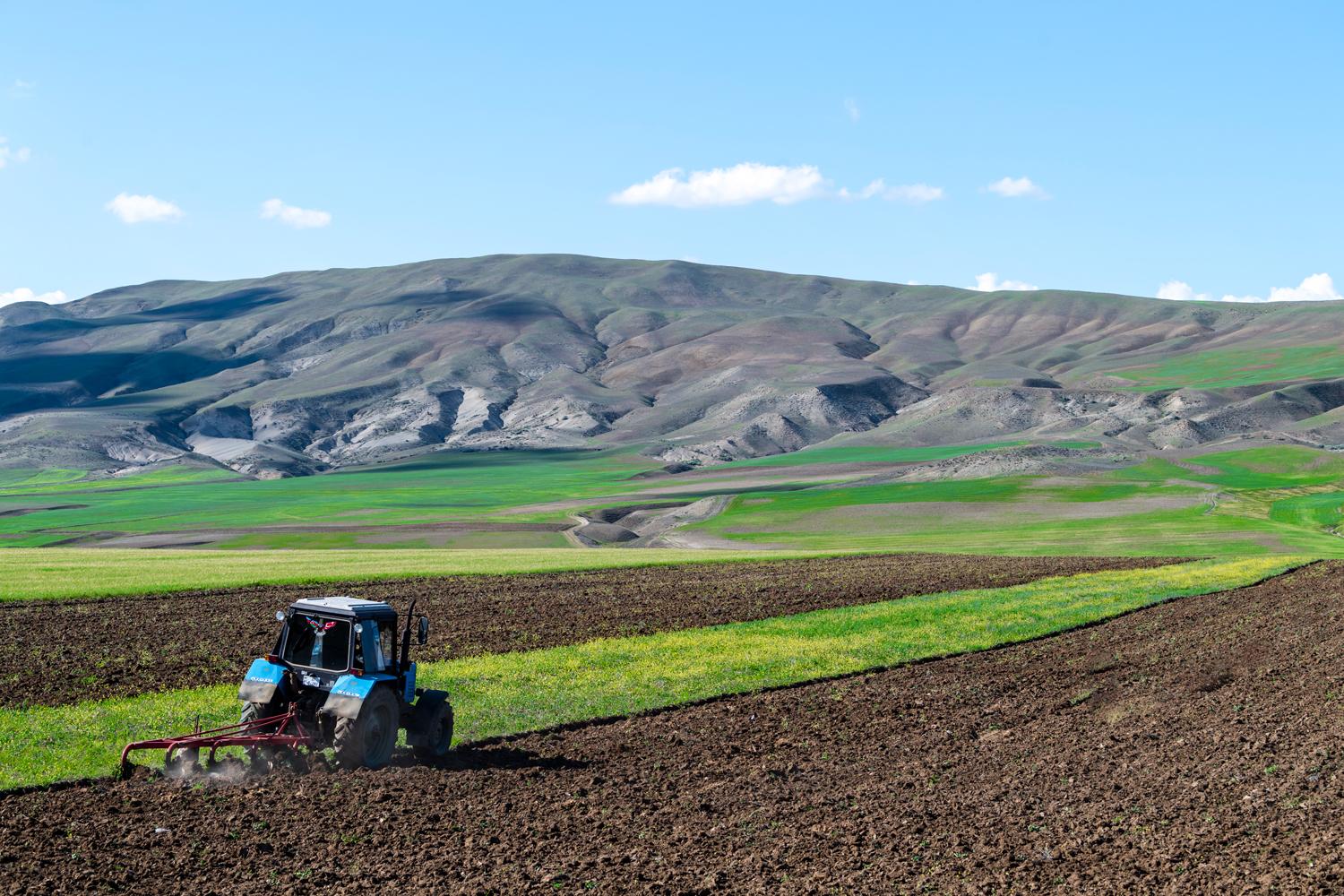
Another impact is soil compaction. Ever-larger machinery piles pressure on soil, increasing its resistance to root growth and reducing soil aeration, so affecting productivity. It also reduces water movement in the soil, increasing surface run-off.
Recent research has shown that tyre pressure affects compaction in topsoil, while the wheel load affects deeper layers. The ability of soil to recover from compaction has proven particularly poor for subsoil layers and so can be a stealthy problem often not recognised by farmers. Potential solutions include the use of wider, low-pressure tyres or controlled traffic farming.
Organic matter is regarded as a vital component of a healthy soil, and this has also declined in recent decades, partly as a result of a reduction in organic inputs such as farmyard manure and intensification of tillage practices. On some farms this had led to reduced soil structure and yields. Insufficient soil organic matter also affects soil biodiversity; soil fauna and flora are the 'engine room' in soil for breaking down organic matter and releasing essential nutrients. Without this diversity, many of the processes which happen unseen in the soil will not take place or occur more slowly, further reducing the soils effective functioning.
But it is not only agriculture that threatens our soils. Soil contamination by harmful products from industry, cities and mining has occurred over the last few decades. Furthermore, there is a threat from "soil sealing", where housing and industrial development, often on good-quality soil, leads to irreversible loss of soil and its functions.
In recognition of these threats, the UN last week launched the 2015 International Year of Soils, with the aim of raising awareness of the issues. To help find solutions, the Countryside and Community Research Institute (CCRI) at the University of Gloucestershire is in involved in two large-scale European projects. The SmartSoil project (www.smartsoil.eu) is using the results from long term experiments operating across Europe to identify 'win-win' practices that will not only improve organic matter but also crop productivity.
Such practices include the use of cover crops, green manure, reduced tillage and crop residue management.
Dr Julie Ingram from CCRI said: "We plan to produce a decision-support toolbox that will help advisors and farmers to make decisions to about soil management practices that will best suit their farms."
Another project, RECARE (www.recare-project.eu) is working with 27 organisations across Europe to work with farmers to find innovative solutions to the soil threats.
As the importance of soil in underpinning our way of life is increasingly recognised, so is the need to find solutions. Hopefully, more emphasis will be placed on raising awareness of the issues.
Source - http://www.westerndailypress.co.uk/