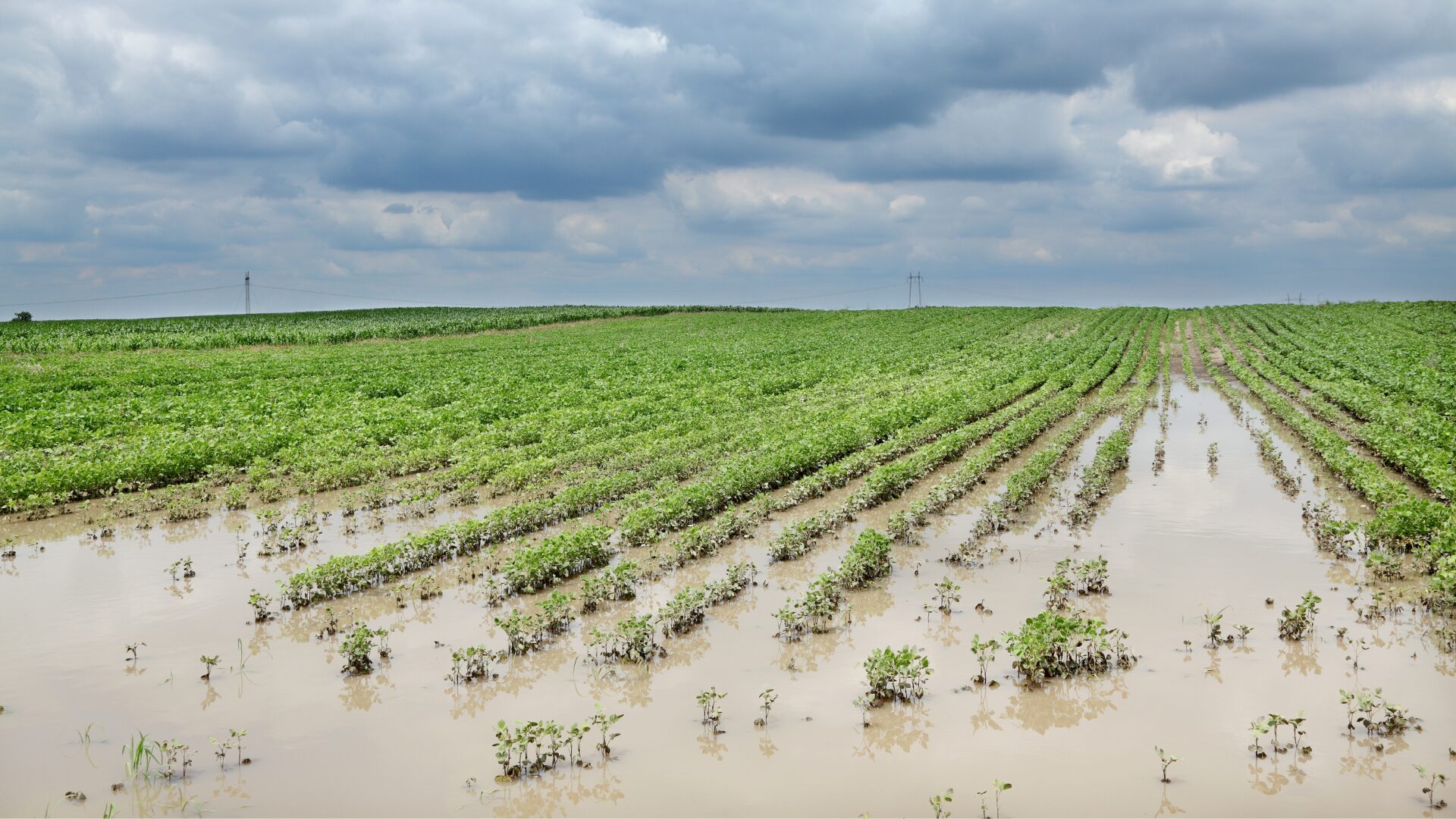
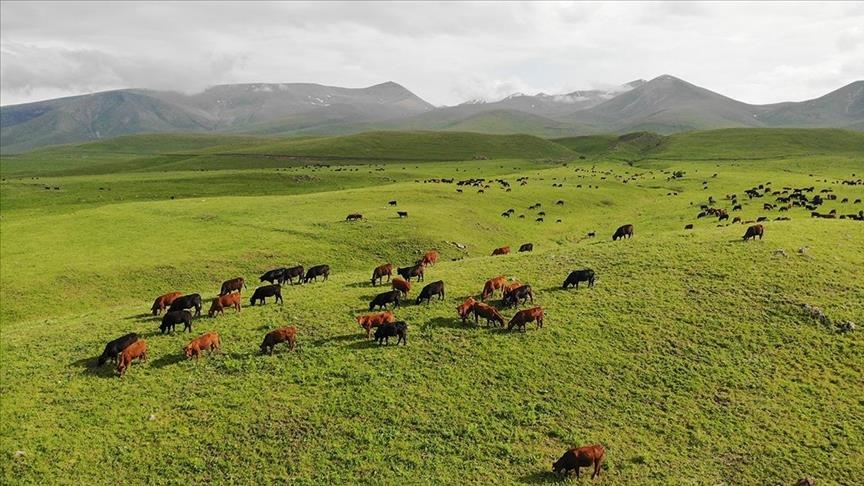
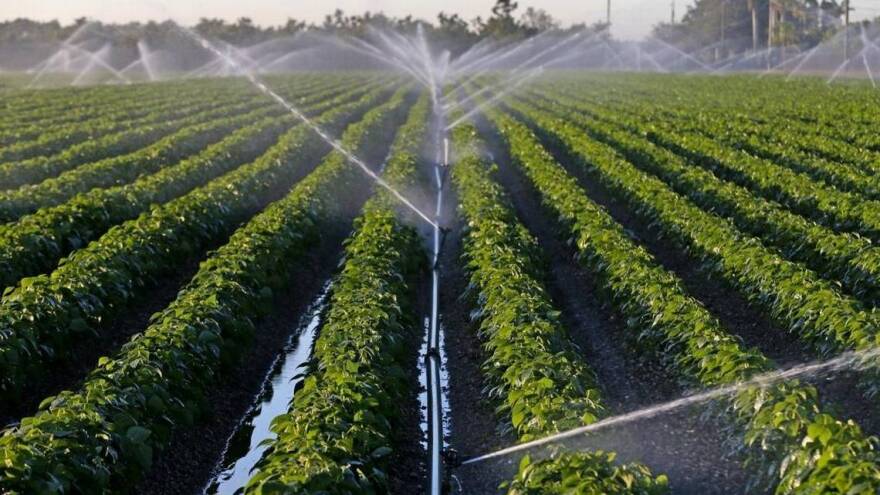
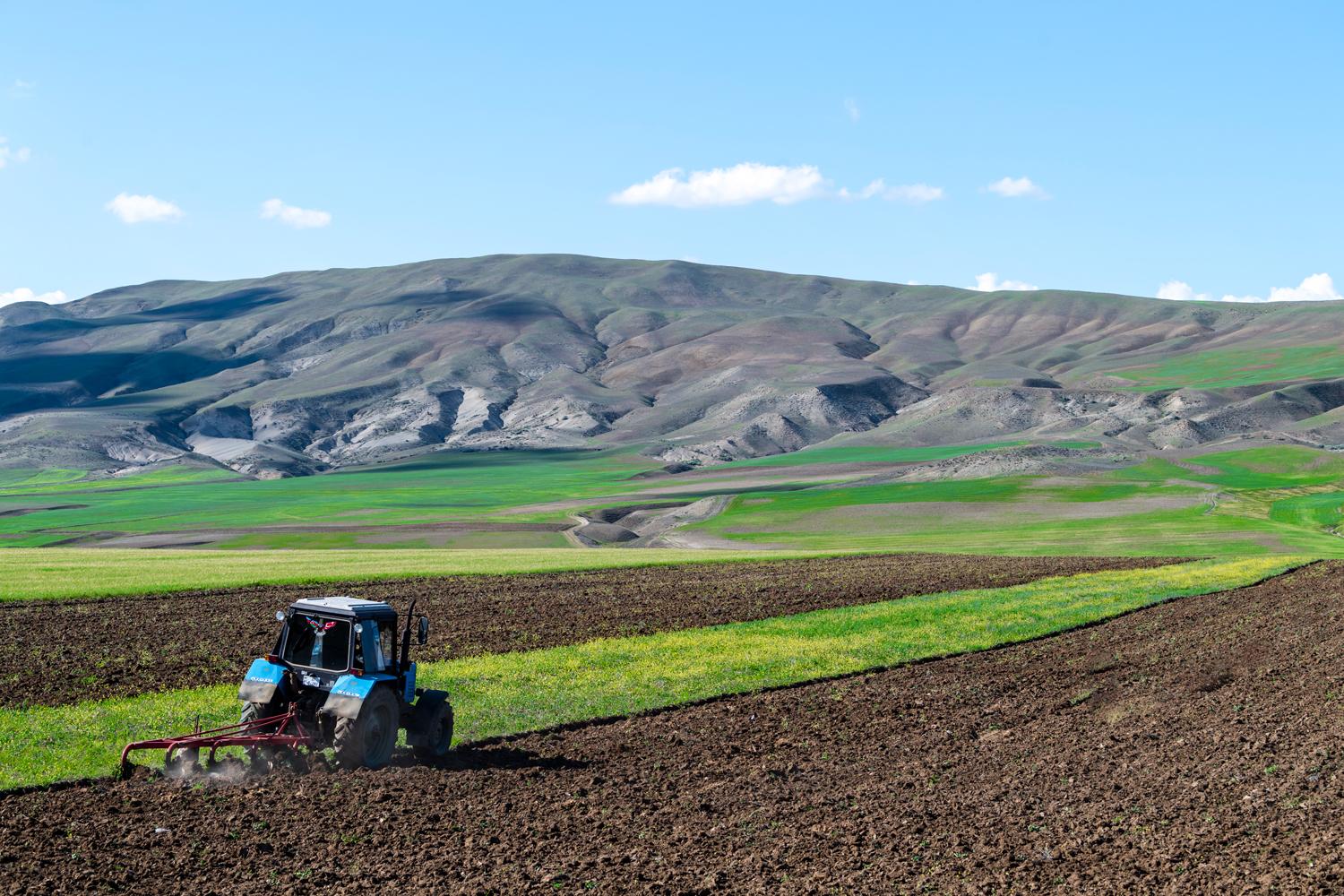
Going by the references to farming in Vedic literature (the oldest among them dates back to 1100 BC), Indians have been depending on agriculture for sustenance for thousands of years. Though the broad-based economic growth over the last few decades has resulted in dwindling of agriculture land and reduction in allied activities, the country still ranks second worldwide in terms of farm output and agriculture accounted for 13.7% of Gross Domestic Product and more than 50% of the total workforce in the country in 2013. However, extreme vagaries of weather have always played truant, making farming a highly risky activity. This problem has historically manifested through two situations—lack of rains leading to draught and subsequent famine-like conditions and excess rains or floods as well as sudden, unexpected rains leading to destruction of crops. For example, while lack of scant rains is detrimental to paddy cultivation, on which thousands in the country have been depending or staple food, excess rain and wind can completely destroy banana cultivation.
This is where agriculture or crop insurance—that is a key tool for risk transfer against the threat arising out of climate changes—comes into the picture. Risk transfer through insurance can lend a sense of safety against the possibility of losses. In a nutshell, insurance is a mechanism by which risks, or part of a risk, are transferred from the insured to the insurer in return for a premium payment. Crop insurance especially aims to protect farmers against financial losses due to uncertainties that may arise from crop failures/losses arising from unforeseen perils beyond their control. Given that millions of people in India depend solely on agriculture for livelihood, many farming activities can be risky in sense a possible failure will be too damaging (a spate of suicides during the microfinance crisis in Andhra Pradesh is a case in point) wherein the affected may either not recover or struggle hard to be back on their foot.
Crop insurance has existed in India in some form since 1970s. The National Agricultural Insurance Scheme (NAIS), that insures 25 million farmers, is the largest crop insurance scheme in the world. Crop insurance schemes are subsidised for small and marginal farmers and are compulsory if the farmer takes out a loan to buy seeds, etc. In addition to NAIS, government-sponsored crop insurance schemes include Weather-Based Crop Insurance Scheme (WBCIS) and a clutch of schemes offered by state governments. Since 2003, private firms have also been providing crop insurance in the country and also working in tandem with NGOs besides collaborating with government schemes to deliver various crop protection schemes.
These schemes do not actually reduce the physical risk that a farmer faces; instead they transfer the risk of financial loss to the insurer. According to a global survey of 123 insurance schemes in low and middle-income countries, the full potential for using risk transfer for agricultural losses is far from exhausted.
Though the penetration crop insurance is yet to reach a significant scale considering the massive farming community in the country, crop insurance has played a key role in supporting farmers in recovering losses incurred during drought years.
Though India's crop insurance programme is the world's largest, issues in design, particularly related to delays in claims settlement, have meant that a huge section of farmer households are still excluded from crop protection schemes despite significant government subsidy. While efforts are on to revise government crop insurance schemes, including NAIS, increased awareness and private sector participation may lead to programmes that can offer more timely, claim settlement and less distortion in the allocation of government subsidies. It is also time the government made a shift from social crop insurance programmes with state funding to market-based programmes with realistic premium rates and enhanced product features, in line with the best practices adopted by global peers.
Source - http://www.businessinsider.in/