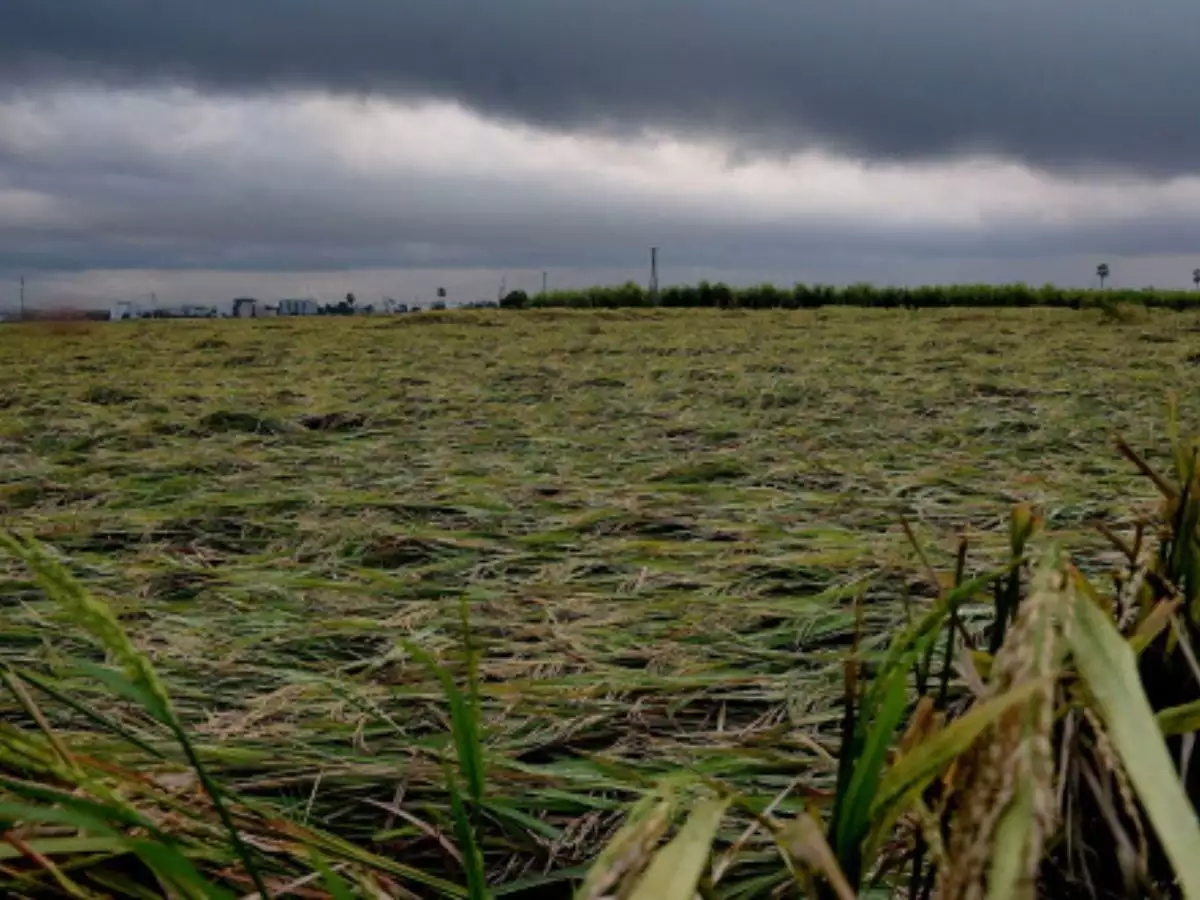
In 2009, the El Nino brought the worst drought in four decades to India. It razed wheat fields in Australia and damaged crops across Asia. Food prices surged. A closely watched forecast by Japan on Tuesday confirmed its return this year.
A strong El Nino will roil economies that are heavily dependent on agriculture, particularly India which is already reeling from bad weather. It would also unhinge supply chains of commodities such as rice, corn and palm oil. In fact, the heat is already up in some places in the Asia Pacific.
“We’ve already been hit by a three-month dry spell. We could not plant anything since January. All of us here in Taculen are praying for more rains,” said Benny Ramos, a rice farmer in North Cotabato in southern Philippines.
Prayers for rains in Asia, however, may not be answered as weather forecasts show an intensifying El Nino has set in.
The El Nino, or a warming of sea surface temperatures in the Pacific, can lead to scorching weather across Asia and east Africa but heavy rains and floods in South America.
This year, the El Nino arrived in spring and is likely to continue into autumn, said the Japan Meteorological Agency, which was the first bureau to project the emergence of an El Nino in 2015.
Forecasts in May tend to be more accurate as weather models become more dependable here onwards, said Paul Deane, senior agricultural economist at ANZ Bank, Melbourne.
“Now we are getting to a point that you start having more confidence in those models,” he said.
Grain prices have, however, not yet factored in the threat to supplies from an El Nino, largely because similar calls for bad weather in 2014 did not come to pass. In fact, good crops replenished stocks last year.
In the absence of a weather premium, prices of grains such as wheat and rice remain near multi-month lows. Wheat futures , down a fifth so far this year, are near five-year lows, while Asia rice is at its weakest since June.
The last El Nino led to tens of billions of dollars in economic damages in the Asia Pacific. This year, a strong El Nino could take an even bigger toll in certain countries, analysts said.
For India, it would be a double whammy.
Weaker Rainfall Forecast
Dozens of farmers have already committed suicide in India after damage from unseasonal rains this year. Now if the summer rains are below normal, rural discontent will deepen.
The monsoons are vital for India as half its croplands lack irrigation while the farm sector accounts for 14 percent of its economy. India’s weather bureau has forecast weaker rainfall this year, citing a 70 percent El Nino probability.
“Crops like soybean and cotton are under El Nino watch for being sown mainly in rain-fed conditions,” said K.K. Singh, the head of agricultural meteorology division of the Indian weather office. “El Nino looms large over soybean areas of the central parts and cotton belts of the western and the northern regions.”
Fewer domestic soybeans, which are crushed to produce soyoil, will prompt the world’s No.1 edible oil importer to buy more palm oil from top producers Indonesia and Malaysia.
India’s rice crop would also be hit.
While the No.2 rice exporter could use its record-high stocks to meet a local shortfall, it would leave less available for sales at a time when demand could rise from countries like the Philippines.
More than half of the provinces in the Philippines, one of the world’s top rice importers, are already suffering from dryness which has curbed its rice output.
Early Signs in Australia
Early signs of El Nino also emerged on Australia’s east coast, with a poor end to the wet season in Queensland and a dry autumn in Victoria, said ANZ’s Deane.
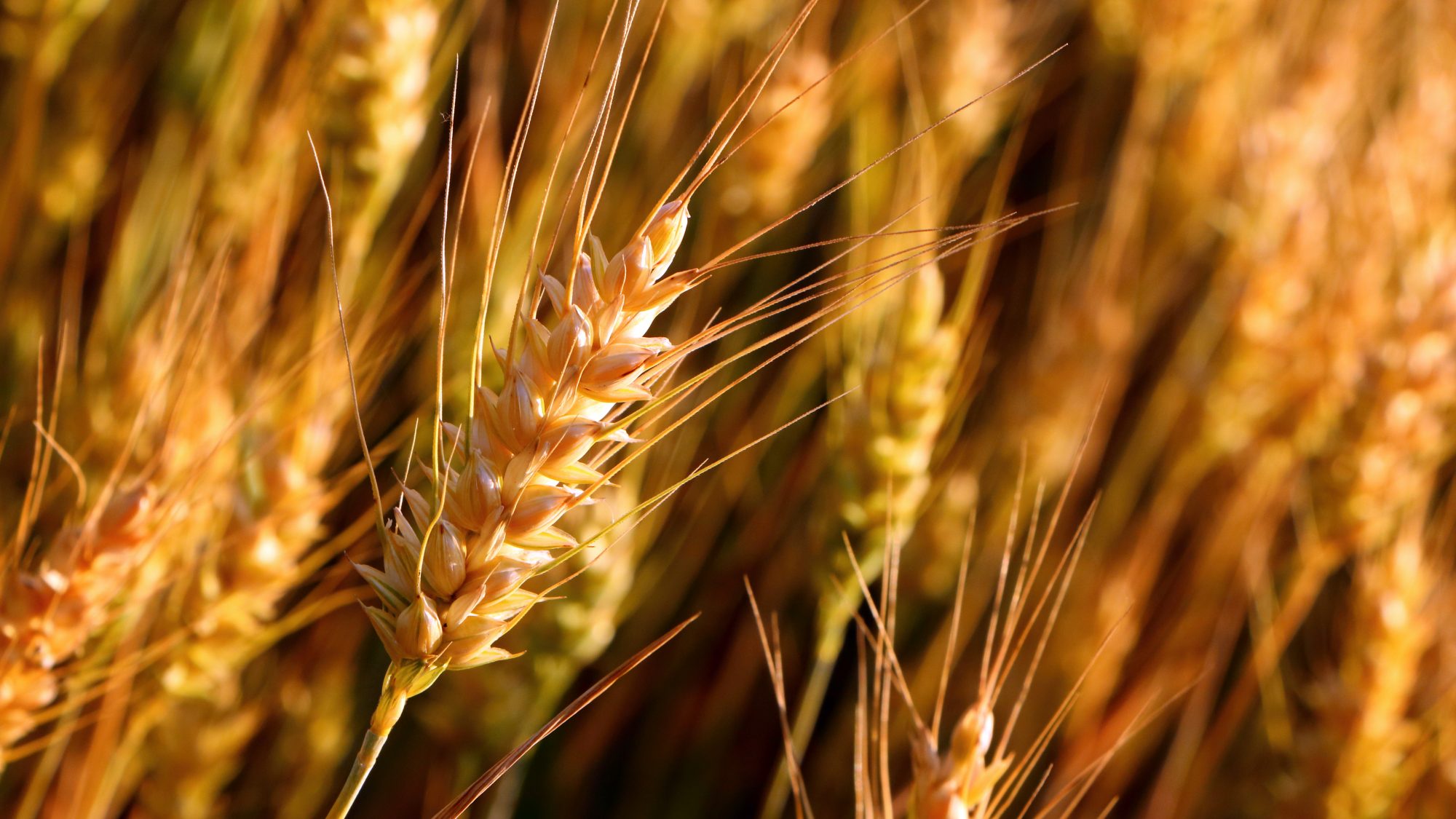
Australia’s high protein wheat output could suffer as an El Nino brings below-average late winter and spring rainfall to the east coast. Spring rains in September are vital for wheat yields in the fourth-biggest exporter of the grain.
Australia’s weather bureau, which in April projected at least a 70 percent chance of an El Nino emerging from July, on Tuesday said the weather pattern had already formed and that models indicated a “substantial” event.
The other countries bracing for an El Nino are China, Indonesia and Malaysia.
China typically escapes the fury of El Nino, but it is still on guard for its corn crop, which needs a lot of water, said Ma Wenfeng, analyst at Beijing Orient Agri-business Consultant Co.
For the Southeast Asian countries, concerns are about palm.
Although the impact of a dry spell on oil palm trees will be felt later, rising Indian demand and fears of tight supply should drive up prices of the tropical oil. Palm prices soared 57 percent in 2009, partly due to El Nino.
Palm yields may be hit if it is really dry because that will hurt the fruits, but otherwise if an El Nino emerges in June, the effect will only be seen nine to 12 months later, said Roy Lim, group plantations director at planter Kuala Lumpur Kepong.
Source - http://www.insurancejournal.com/