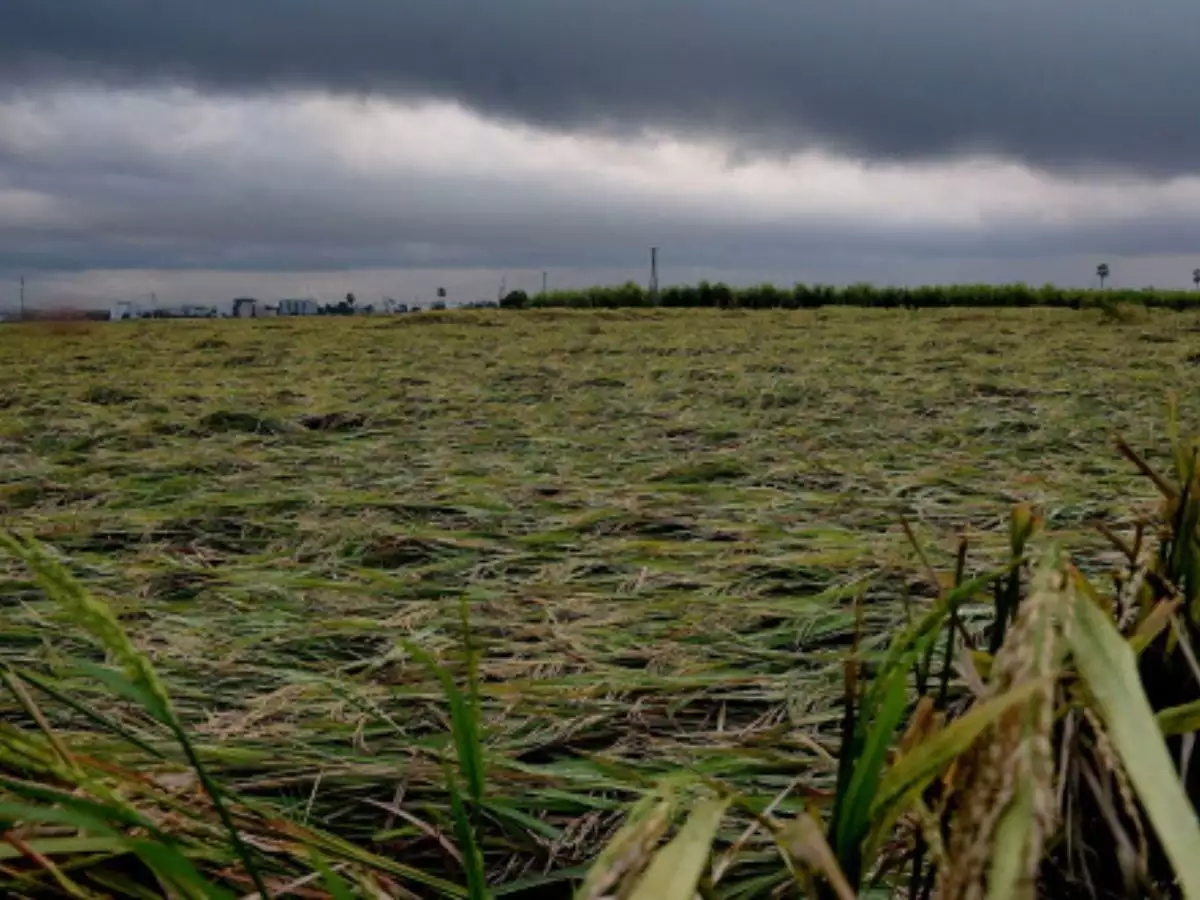
Heavy, persistent rainfall during much of the Southwest region’s spring planting season likely will mean many farmers will not meet insurance planting deadlines and will consider switching to other crops with later deadlines or taking the prevented planting option with insurance providers.
Prevented planting is not a one-size fits all program but provides producers several options, including planting past the deadline for a limited time and incurring a coverage penalty for each day planting is delayed (typically 1 percent per day past the deadline). The final planting deadline, however, may not be changed.
Southwest Farm Press touched base with a spokesperson for the USDA Risk Management Agency (RMA) to assess guidelines on filing for prevented planting. Below are a few things folks need to consider, according to RMA.
If a producer is prevented from planting acreage, he is required to provide a notice that he was prevented from planting an insured crop within 72 hours after the final planting date if he does not intend to plant the insured crop during the late planting period or if a late planting period is not available; or if he determines he will not be able to plant the insured crop within an available late planting period
Due to contractual agreements between producers and the Approved Insurance Providers (AIPs), as well as RMA’s contract with the AIPs, the final planting dates cannot be moved. While this is not the ideal outcome farmers want, the policy does provide for circumstances such as this. Producers unable to plant may be able receive preventing planting payments or receive a reduced insurance guarantee if they plant within the late planting period.
The final planting dates for crops are included in a producer’s crop insurance policy with the AIP and were made available to producers before the sales closing date. As stated in the insurance policy, and in federal regulations (7 C.F.R. 457.8), terms of the contract cannot be waived by any party. As a result any change in the dates is expressly prohibited.
Source - http://southwestfarmpress.com