Central: Soil moisture, rangeland and pastures, and livestock were all in good condition. Overall crop conditions were rated as fair. Much wheat had some degree of sprouting. All cropland soils were saturated and far too muddy to get into. Most corn was still doing all right, though some was yellowed from too much moisture. Cotton planting had not begun yet; neither had the planting of grain sorghum. Stock-water tanks were full. There was some soil erosion caused by runoff. Pastures were greening up. Cattle were in good condition.
Coastal Bend: Subsoil moisture remained excessive. Most crops handled the wet conditions well, but yellowing was seen in many corn fields, and some crops had limited growth due to the number of days soils had been saturated. Wet weather hampered wheat harvest. Cattle were in excellent condition due to surplus of forage but were troubled by swarms of mosquitoes. Some cattle were evacuated due to the flooding of the Colorado River, which was expected to crest 5 feet above flood stage.
East: Soils were saturated. Flooding was a big problem in most of the district. Many counties were declared disaster areas because of high winds and flooding. Many trees, with their root systems weakened by soggy soils, were toppled by winds. Trinity County received 6 inches of rain in 3-4 hours that caused flash flooding. Erosion was becoming a big problem. Livestock were moved to higher ground where possible. Some producers were grazing hayfields to remove some of the winter forages that were shading out the summer grasses. Applications of herbicide on forage crops were delayed due to the wet conditions. Most producers should have been able to take the first cutting of hay by the end of May but weather conditions did not allow them to do so. Vegetable crops were also suffering from too much water. Wet conditions were making it hard for producers to gather cattle for working or selling. Horn fly and mosquito numbers increased.
Far West: Glasscock, Hudspeth, Pecos, Presidio, Ward, Winkler, Loving, Reagan and Upton counties all had 1-2 inches of rain. Crops in most counties had slow growth due to the heavy rains. Alfalfa neared being ready for the third cutting. Pasture and rangeland were in fair to good condition. Topsoil and subsoil moisture was adequate to short.
North: Topsoil moisture was mostly surplus after many areas received 3-4 inches of rain. The Red River continued to be well above flood stage, forcing the relocation of many head of cattle and pieces of farm equipment to higher ground. Many acres of crops flooded. All three highways in Cooke County that cross the Red River into Oklahoma or Arkansas remained closed. With ground beyond being merely saturated, farmers couldn't get equipment into fields. The wet weather prevented most hay bailing. The saturated soils and cloudy days also adversely affected pasture growth. Disease and fungal problems increased. Wild hogs continued to cause damage.
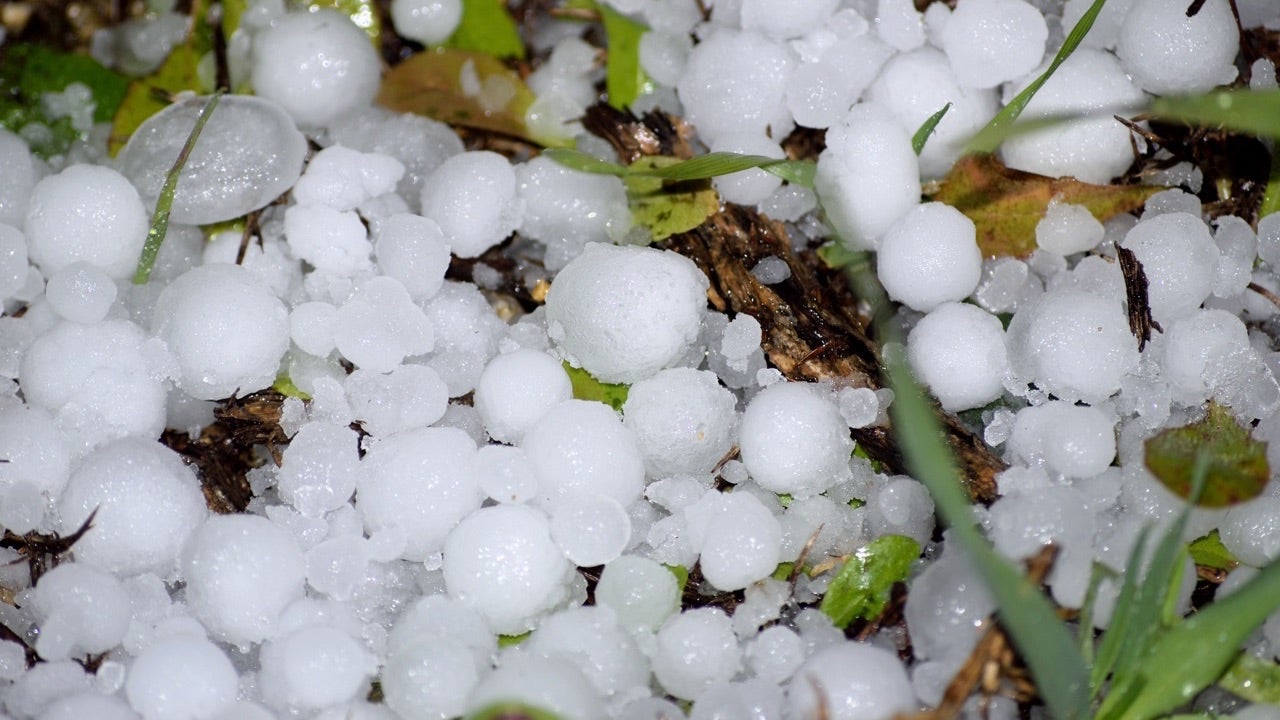
Panhandle: Temperatures were below average most of the week. From a trace to as much as 5 inches of rain fell in some areas. Soil moisture was rated mostly adequate. Collingsworth County farmers were able to start getting back into fields as conditions dried out somewhat. Dallam and Hartley counties received another 1-2 inches of rain, and corn planting was still behind schedule. Harvesting wheat and alfalfa hay was also delayed. Cool, wet weather extended the grazing period for wheat. Rangeland was improved significantly by the rains. Stocker cattle and cow-calf herds were moved to grass from wheat and will be left there for the next several weeks. Weeds were a problem in much rangeland. Cattle were in good shape despite being pestered by horn flies. Deaf Smith County planting conditions were poor; another 2-5 inches of rain halted the planting of any crop. Very little cotton had been planted — perhaps 500-800 acres total — in Deaf Smith County. Wheat was holding on, with good prospects for this year. However, there were weeds in thinly planted wheat. Some fields had wheat at two stages of maturity; the early emerged crop and the crop that tillered and came on later with the rains. Producers were considering early maturing corn, grain sorghum, hay crops and sunflowers — if they have a contract for them. Randall County received another 1.5 inches of rain with some hail. Crop damage had yet to be determined.
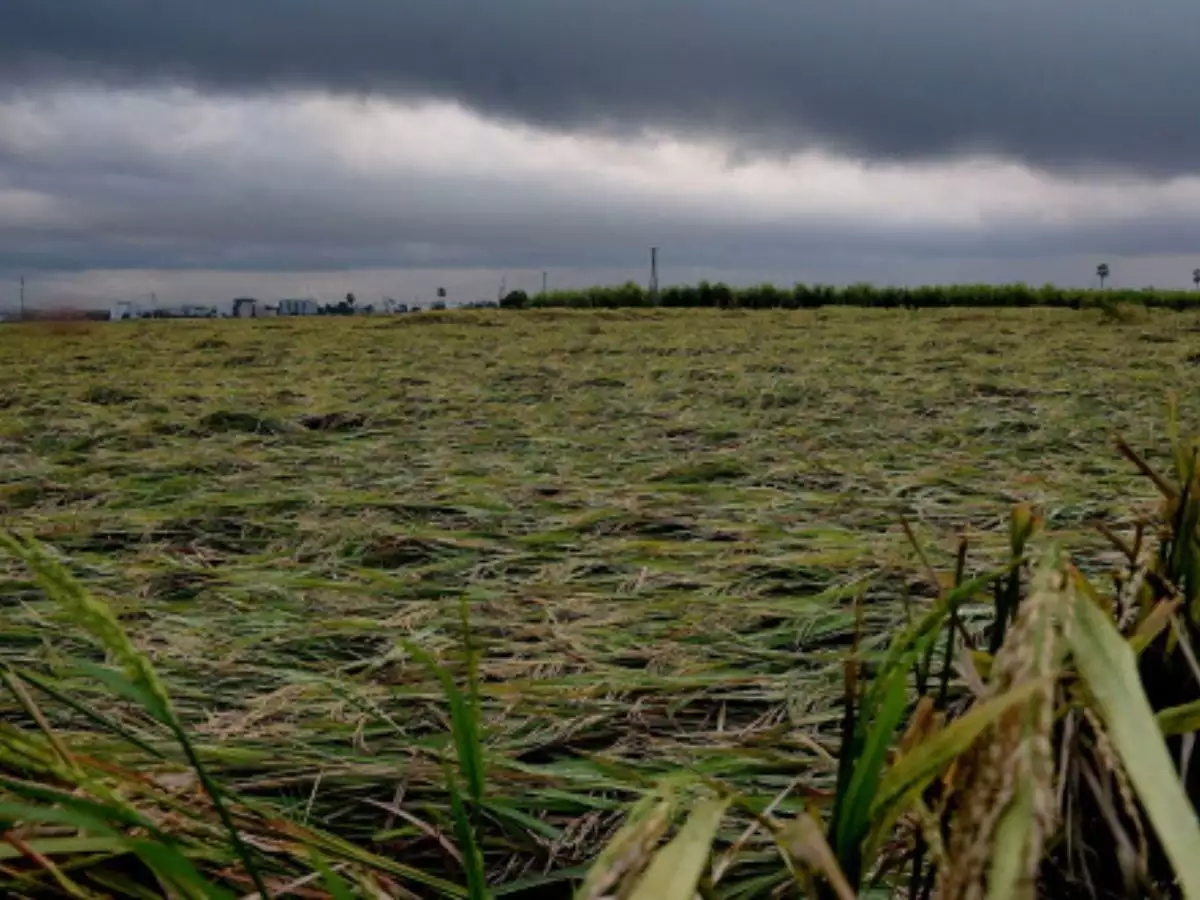
Rolling Plains: Conditions remained favorable for producers with the soil moisture profile saturated and ground temperatures high for cotton planting. However, the saturated soils also made it a challenge to get equipment into fields to begin planting. Wheat received several more inches of rain during the past two weeks and was ready to cut, but fields were too wet for combines. Some wheat was already sprouting in the head, and more wheat was expected to sprout before fields dried enough to harvest. Pastures were in excellent condition. One county reported rainfall totals for May were from 25-30 inches, which caused flooding and damaged fences, roads and crops. Peaches and pecan orchards still looked good.
South: The region had windy, hot weather, often interrupted by scattered showers. Rangeland and pastures benefited from the persistent rain, but many row-crop fields remain saturated, further delaying field activities. In the northern part of the region, peanuts were planted, and other row crops, such as corn, sorghum and wheat, were doing well. Wheat, sweet corn and potato harvesting continued. Some areas had extensive summer annual and perennial weed pressure. Cattle were in good condition, the best in many years. Soil moisture was mostly adequate throughout the northern tier of counties. In the eastern part of the region, the windy, hot days dried out some areas, but many fields remained in standing water. Crops in those fields will probably not be harvested. Row crops in well-drained fields were progressing well, and good yields were expected. Kleberg and Kenedy counties received more than 2 inches of rain, adding more water to fields that had been saturated for quite some time. Because of the wet soil conditions, more aerial chemical spraying was being done. Soil moisture remained mostly adequate to surplus throughout the eastern counties. In the western part of the region, wheat fields remained too wet to harvest. In Maverick County, webworms were striking pecan orchards due to high humidity levels. Corn, cotton and sorghum responded well to the rains, but wheat fields were not harvested due to wet conditions. Onion losses were expected also due to the wet field conditions. Soil moisture remained adequate in the western counties. In the southern part of the region, row crops were progressing well, and saturated fields were drying out. Producers were spraying to control slight fungus problems on grain sorghum. In Hidalgo County, citrus harvesting wound down, and sugarcane harvesting remained a continual battle with wet field conditions. In Starr County, some hay baling was done, as well as some cantaloupe harvesting. Willacy County fields remained too wet for any field activities. Soil moisture was 100 percent adequate in Cameron, Hidalgo and Starr counties, and surplus topsoil moisture was reported in Willacy County.
South Plains: The region received more rain, keeping producers out of the fields. Hale County cotton acres were expected to be severely limited as many producers opted to plant corn instead. Swisher County had a few dry days that allowed for planters to run, but not much cotton was planted. If drier weather arrives as expected, farmers will be rushing to plant before the June 5 insurance deadline. Wheat looked good from the road, but at closer inspection many acres were found to be infected with striped wheat rust, and it was too late to apply fungicide. Cochran County subsoil and topsoil moisture remained adequate. Higher moisture levels improved pasture, rangeland and winter wheat. Corn and peanuts were planted and in good condition. Cochran County producers were finishing planting cotton. Crosby County had heavy rains, and cotton planting there was behind. Producers were taking advantage of any dry hours to plant. Hockley County also had delayed cotton planting due to rains. Lubbock County had heavy rains too, causing flooding of 75 homes in the city of Shallowater and soil erosion in fields. Lubbock rain for May totaled 12.12 inches, almost 65 percent of the average annual rainfall. In Garza County, approximately 5 percent of the county's intended crop acreage was planted.
Southeast: The region remained very wet. Soil moisture throughout the region was mostly in the surplus range; Lee County had 100 percent adequate levels. Rangeland and pasture ratings varied widely too, mostly from excellent to good, with good ratings being the most common. Cool-season pasture grass quality was declining because of delayed harvesting. The changeover to warm-season forages began but was held back by unharvested ryegrass or clovers. In Brazos County, it was unlikely small grains would be harvested. Many corn, soybean, sorghum and cotton fields had been in standing water for extended periods of time. Montgomery County producers have not been able to apply herbicides or harvest any hay. Many fields were too wet to safely graze. Animals were moved from many areas. Waller County corn was doing well despite the saturated soils, but more rain was forecast. Rangeland and pastures continued to benefit from the rains. However, wet pastures were hosting high mosquito populations that were stressing livestock. Horn fly populations were also high. Brazoria County corn began to look overwatered with yellowing on the lower leaves. Most fields had a general yellowing. In Chambers and Jefferson counties, the continued rains made the rice planting progress impossible. Continued rains delayed herbicide spray applications and made fertilizer applications impossible. Farmers were concerned of potential yield loss. More rains in Fort Bend County meant producers were not able to plant cotton. Some cattle had to be moved to higher ground because of flooding. In Galveston County, more rain meant low-lying areas had standing water for several days.
Southwest: The area had heavy rains and flooding. Losses included downed trees, damages to homes and laid-down wheat and oats. Wheat not lost to the storms promised excellent yields, but the wet conditions prevented its harvesting. Most wheat producers were expecting losses. Fungus problems cropped up in home gardens, commercial vineyards and orchards. Pecan, forage and grain crops needed drier conditions. Some crops were in standing water. Some mature pecan trees were falling over due to saturated soils and high winds. Wildlife and livestock were in excellent condition, but there was concern about internal parasites becoming a problem because of the wet conditions. Producers were shearing of sheep and goats.
West Central: Days were warm with mild nights. Continued rain resulted in soggy fields that were impossible to access. Little to no fieldwork was done. Wheat harvesting and cotton planting were delayed for several more weeks. Some crops were destroyed by hail and high winds. Wheat remained in mostly excellent condition. Rangeland and pastures were also in excellent condition and continued to improve due to the wettest May the region has had in several years. Stock-water tanks and ponds were filled by runoff. Rivers were overflowing banks and flooding out some areas. Livestock were in good condition. Pecan orchards were in good condition.
Source - http://www.mysanantonio.com/