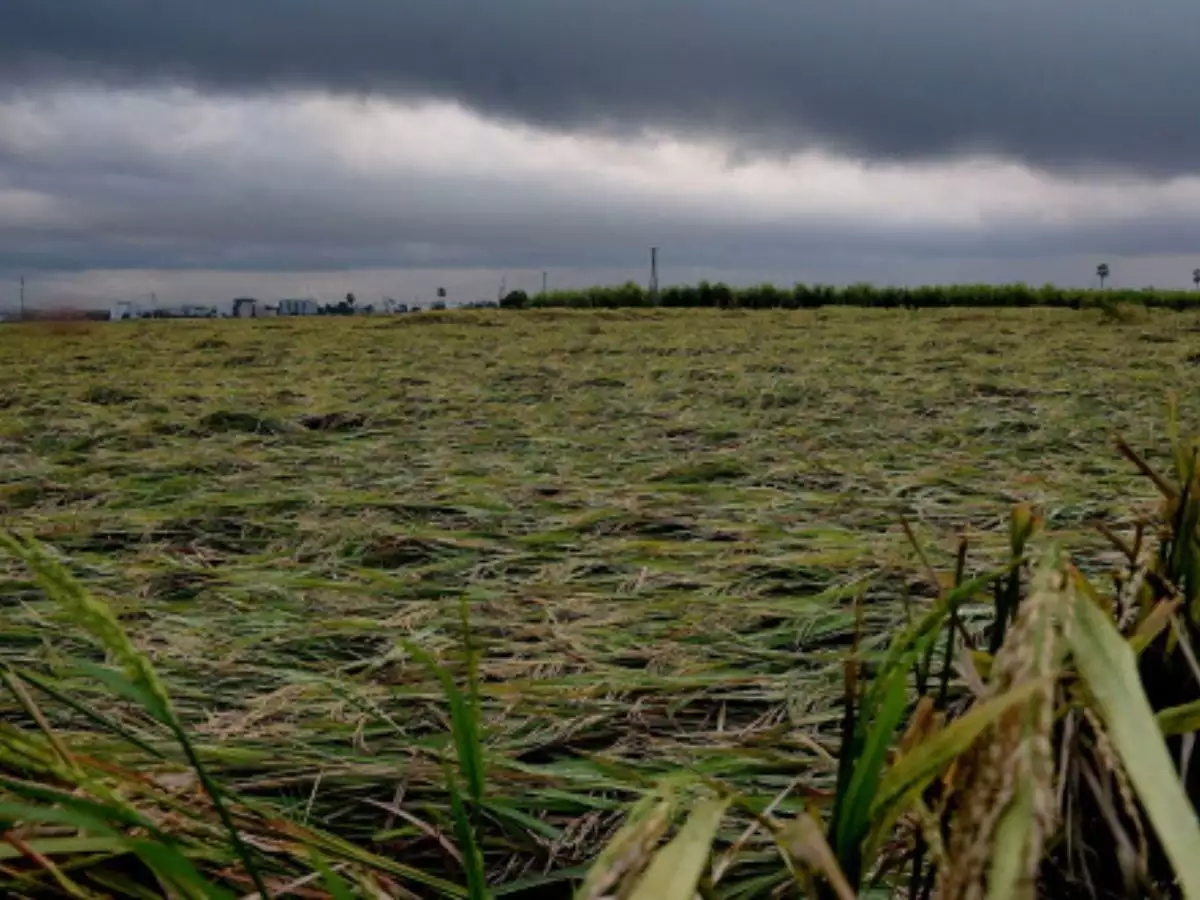
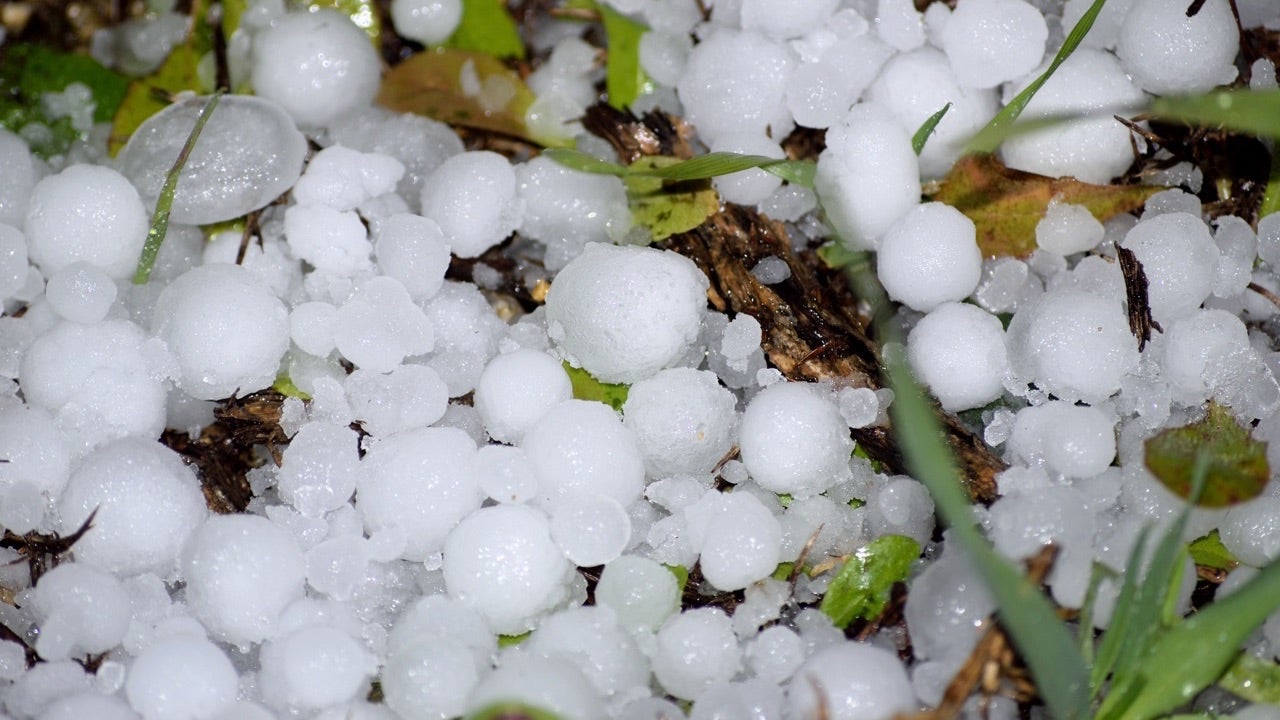
“Frost threatens northern U.S. corn; rains soak southern Plains.”
This recent headline says it all. The diversity of American agricultural production coupled with the varied growing conditions across the country and the swings in weather explains why farmers need a safety net. More importantly, it describes why crop insurance is the centerpiece of the farm safety net.
U.S. multi-peril crop insurance is a risk management tool that farmers, regardless of their location, crop, or production method, purchase to protect against the loss of their crops due to natural disasters such as hail, drought, freezes, floods, fire, disease, or the loss of revenue due to a decline in price. Farmers buy policies to fit the individual needs of the their operations. In 2014, 1.2 million policies were sold protecting more than 120 different crops covering 294 million acres. I have been farming corn and soybeans for about three decades and I have always purchased crop insurance even though I work in a climate setting that typically doesn’t experience wide weather extremes like our neighbors in other parts of the country.
That doesn’t mean we haven’t been hit with our share of unpredictable weather conditions that made planting and harvesting a crop challenging. It does mean I customize the policy I purchase to meet the needs of my operation.
For example, just two years ago, we had a hard time getting a crop in the ground because nine inches of snow blanketed the area on the second day of May, which is normally the time when we’re wrapping up the planting season. The soil was already soaked from a rainy spring season. That year we didn’t start planting until the middle of May and didn’t finish until the first week in June.
Late planting can potentially put a farmer in double jeopardy – not only are they expecting lower yields because of the delay in planting, but that crop is also vulnerable to frost around the autumn harvest time.
This was the first time in more than 20 years of farming that we planted corn in June – more than a third of our crop. It was also the first time we elected to take prevented planting provisions for roughly 5 percent of our acres as part of our crop insurance policy. Prevented planting provisions are designed to provide coverage when extreme weather conditions prevent a farmer from getting in the fields.
Crop insurance helped us cover some of the loss from that bad year. It made it manageable, which is why it’s an essential risk management tool for my farm and others like mine all across the country. The cost of growing crops has increased substantially. It wasn’t too long ago that it took about half of what it takes to grow an acre of corn. Because of these costs, a substantial crop loss would be a major financial setback for anyone. With crop insurance, we are able to level the highs and lows.
There have been a lot of changes to farm policy through the years to reflect the changing times, but given the diversity of agriculture in our country and the way crop insurance can be uniquely tailored to address disastrous conditions in an efficient and effective way, it should only be strengthened in the years to come.
Source - http://thehill.com/