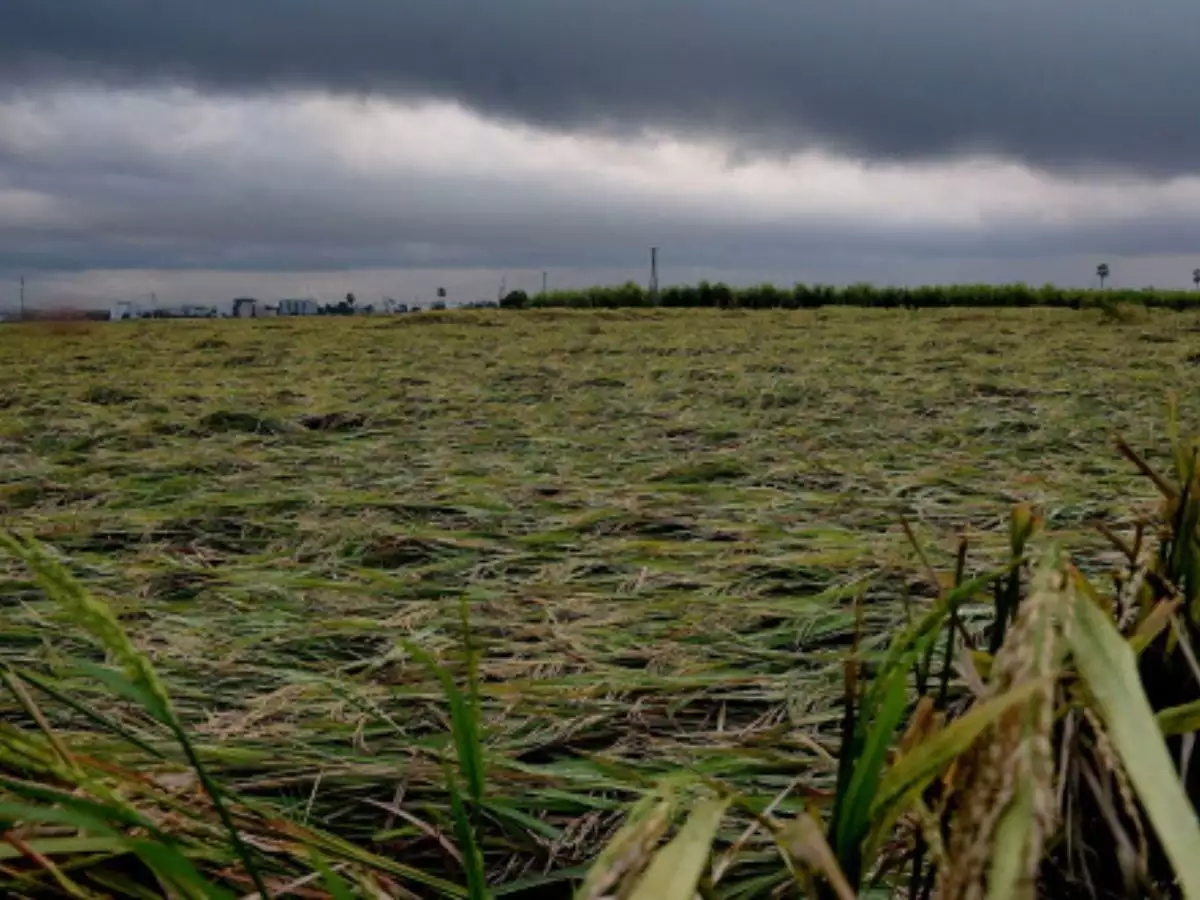
Overlapping storm events and near-historic river levels in western Arkansas may mean total crop losses for producers in Sebastian and surrounding counties, experts with the University of Arkansas System Division of Agriculture said this week.
Lance Kirkpatrick, Cooperative Extension Service staff chair for the Sebastian County office, said recently that standing water in flooded areas of both Sebastian and Crawford counties were higher and more widespread than local residents had seen in more than 30 years.
“If you can be more than 100 percent saturated, we’re there,” Kirkpatrick said. “There’s water in areas where it has not been in a long, long time.”
Storms that brought in torrential rains over the Memorial Day weekend were only the latest in a wet spring that continually pushed back planting for wheat, grains and other row crops, and has indefinitely delayed first cuttings of hay.
Kirkpatrick said that the timing now places Sebastian County growers in a “no man’s land” of planting. If predicted rains fall again this weekend, farmland probably won’t dry enough for planting until the second or third week of June. Approaching July and its summertime temperatures, there likely won’t be adequate rainfall for non-irrigated crops, he said.
“With corn, you just can’t plant it that late,” Kirkpatrick said. “You get it in the ground, and then you’ve got to get enough rainfall on it to get it up and producing, and it’s going to be pollinating right there in the heat of the summer, without any rainfall — that just makes for a disaster.
“Soybeans, you could roll the dice on those, but the bigger problem you run into is, if you don’t get them to make in time, then you get frost on them later on in the year,” he said. “It’s a ‘catch-22.’”
Kirkpatrick said that any hay that can eventually be harvested will be of “substantially diminished quality.”
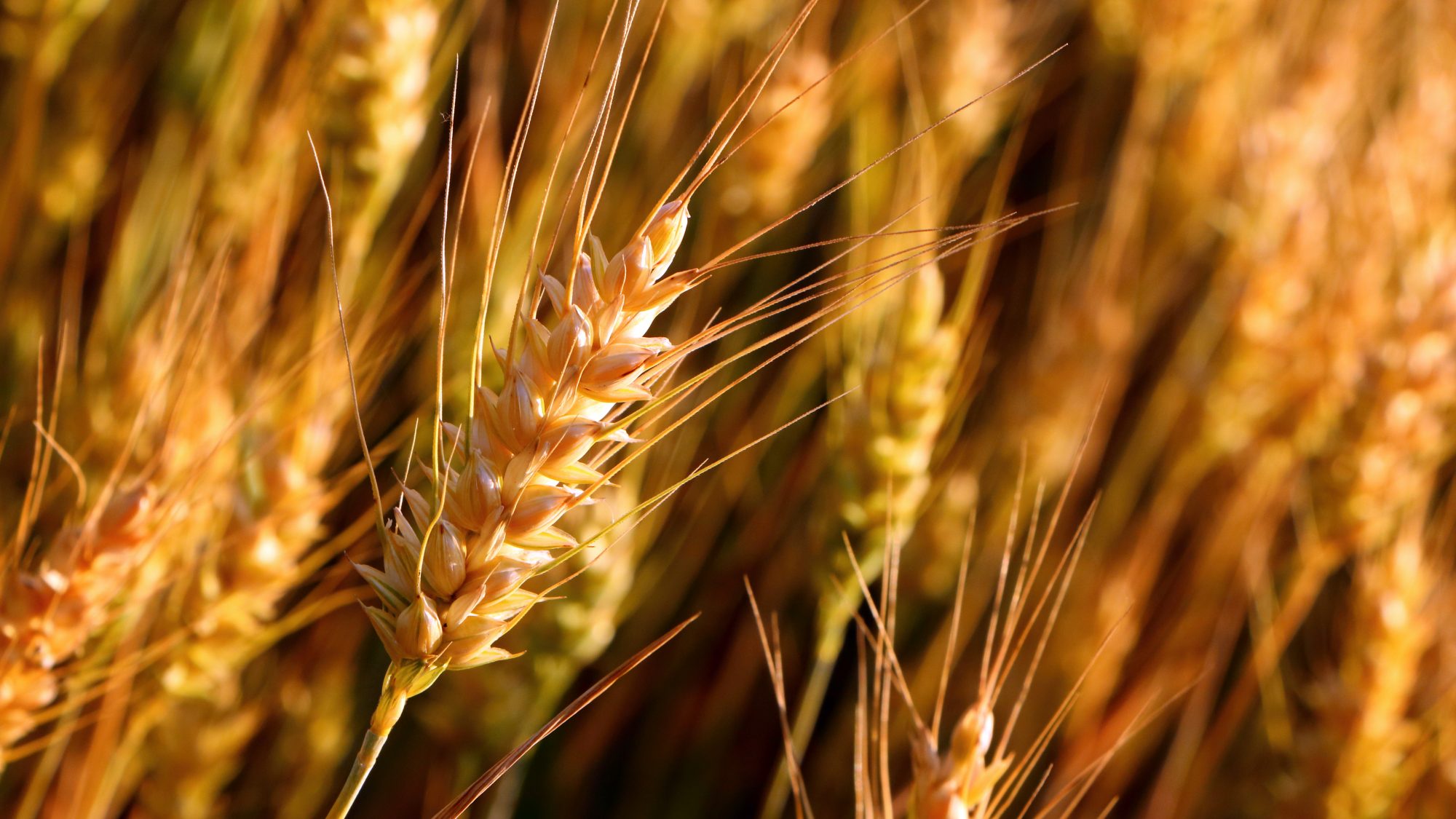
According to the 2012 U.S. Department of Agriculture Census of Agriculture for Sebastian County, about 43 percent of farm land in Sebastian County is dedicated to pasture and another 30 percent is used for crops. About 28,600 acres are considered forage land; more than 2,700 acres are used for soybeans or other beans, while about 408 acres were allocated for winter wheat.
Kirkpatrick said many Sebastian County growers will have to rely on crop insurance to offset planting costs, and will simply face “a year without profit.”
Sebastian County is not alone in facing the effects of heavy rains and storming. Krista Guthrie, a spokesman for the Arkansas Department of Emergency Management, said that as of Tuesday, Gov. Asa Hutchinson has declared emergencies in Franklin, Garland, Hempstead, Howard, Independence, Izard, Johnson, Little River, Marion, Montgomery, Newton, Nevada, Pike, Polk, Pope, Searcy and Yell counties.
Residents of Howard, Hempstead and Pike counties are eligible for individual assistance, Guthrie said. Damage assessments for the 17 counties are scheduled to begin June 28.
Cattle on higher ground
Joy West, interim Cooperative Extension Service staff chair in Yell County, said creeks throughout the area have remained flooded since storms brought water over banks more than two weeks ago. She said cattle producers in the county have kept their herds at higher grounds during that period.
“They were scrambling that Monday to bring all their cattle up, and they haven’t been able to bring them back down yet, because the water isn’t really going down,” West said.
In neighboring Logan County, several hundred acres of grasslands will probably miss their first cutting, having been under water for several weeks, said the county’s interim Cooperative Extension Service staff chair, Bob Harper.
“Ninety percent of the hay’s going to be reduced quality — it should have been cut two weeks ago, but nobody’s been able to cut it,” Harper said. “Ordinarily, that grass would’ve already been growing for two weeks by now, and be ready to cut in 3-4 weeks. But we’re still two weeks out from it being cut the first time.”
Too early to count losses
Brad Watkins, a professor of agricultural economics for the University of Arkansas System Division of Agriculture, said it was too early to calculate total losses in crop yields, quality or revenue.
“Growers have had a very narrow window for planting rice between rains,” Watkins said. “Normally, you want to stagger your planting, so that everything doesn’t all come up at once. That could cause problems in terms of lost quality—if it’s ready to harvest, and you can’t get to it in time, you lose quality and value.”
As the season moves on, later planting means less exposure to the sun throughout the remainder of the growing season, Watkins said, which typically means lower yields, particularly in grain, Watkins said.
Tony Franco, chief of farm programs for the Farm Service Agency’s Arkansas office, said several programs administered by the agency offer assistance to producers affected by recent weather events. Those programs include emergency loans, the Livestock Indemnity Program, Emergency Livestock Assistance Program, Emergency Conservation Program, the Tree Assistance Program and others.
Franco said that some programs issue emergency loans or cost share funds to help offset losses. He said the agency is currently taking applications from affected farmers.
Source - http://www.hpj.com