When the provisional estimates of GDP growth for FY15 were released last month, showing an overall GDP growth of 7.3% but agri-GDP at 0.2%, one wondered whether one should celebrate, or cry, or do both simultaneously. The reason is simple: agriculture still absorbs about 49% of the workforce, and an average household still spends about 45% of its expenditure on food. And it is not just in FY15, but during the first three years of the abandoned 12th Five year Plan, the average agri-GDP growth works out to paltry 1.7%, less than half of its target of 4%. So, if agriculture is limping and farmers facing deep stress, how could one realise the grand vision of “sab ka saath, sab ka vikas”?
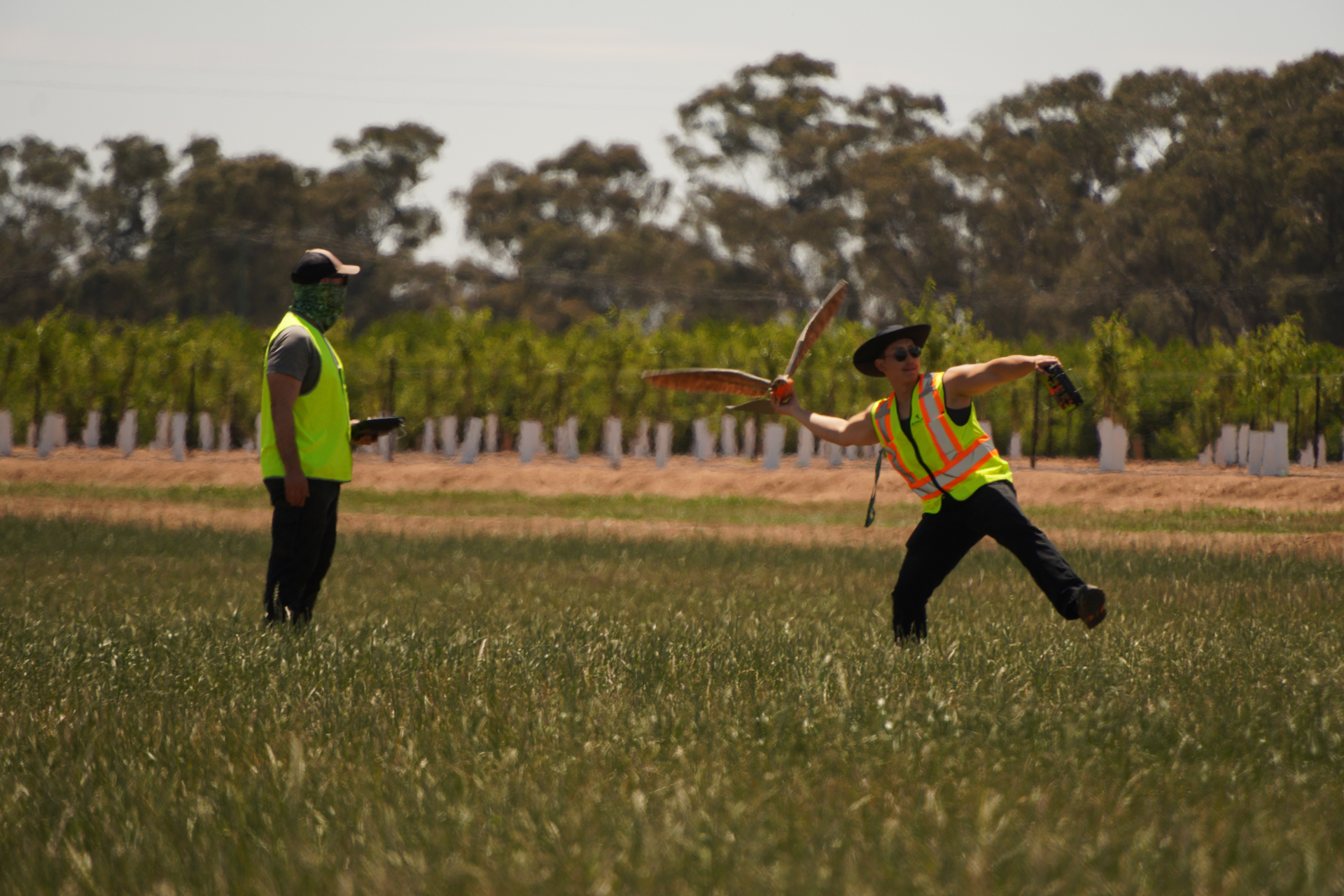
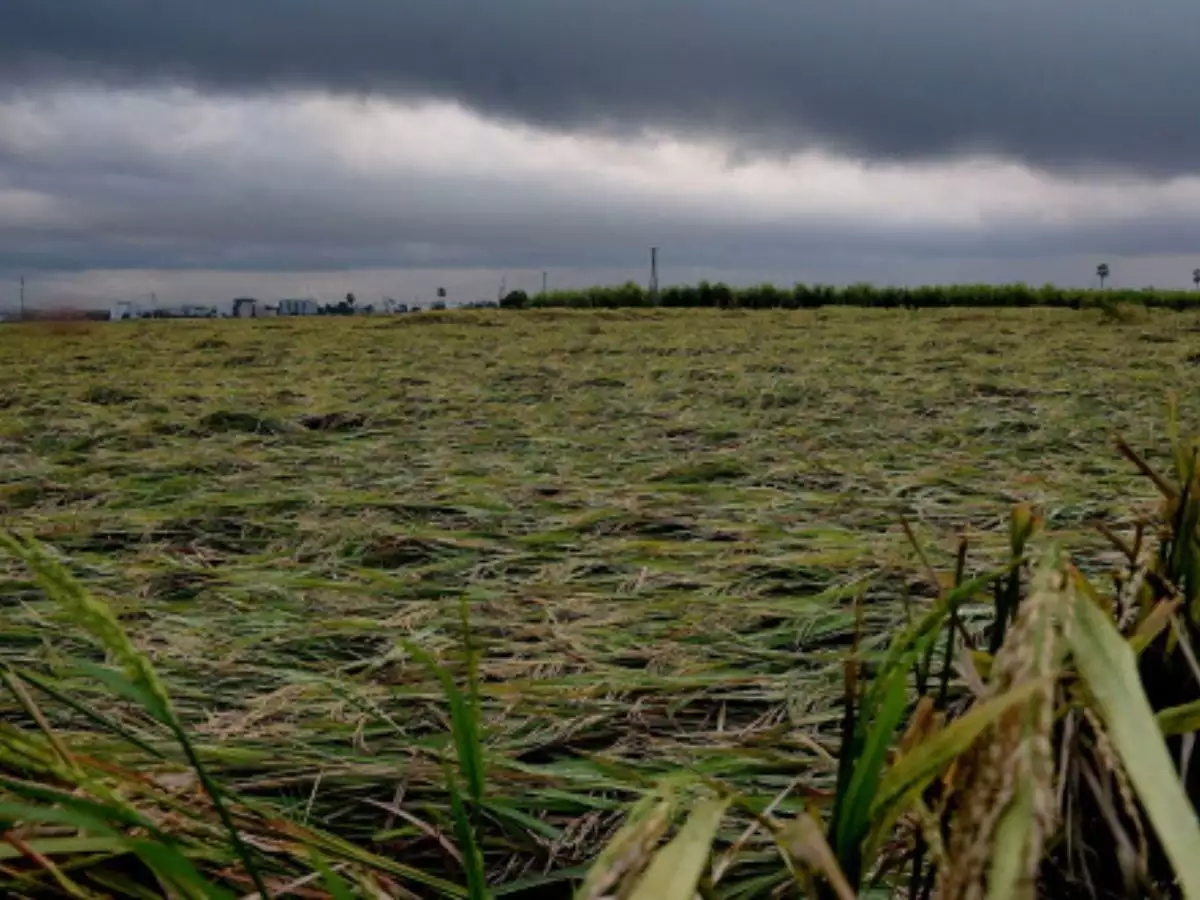
And now the India Meteorological Department (IMD) has revised its forecast for the current monsoon to 88% of the Long Period Average (LPA), down from 93% in the first forecast—12% below LPA could mean an impending drought, almost same as experienced in monsoon of 2014, although government did not declare it officially a drought for reasons best known to them. This back-to-back drought, technically a deficit of more than 10% rainfall compared to LPA, has happened only thrice since 1900: in 1904,1905; 1965,1966; and 1986,1987. This surely does not augur well for the Modi government, and could be its mega challenge. What is it that the government can do in the immediate short-run, and also for the medium- to long-run, to put agriculture back on track and bring smiles on the faces of our farmers? The standard drill in the government is to prepare a contingency plan, asking state governments to ensure ample supply of seeds, fertilisers, and fodder; and give some subsidy on seeds, diesel, fodder, etc, if need be. To what degree it reaches the millions of farmers, varies from state to state; but the overall situation remains grim, although the central government says it is fully geared to face any problem resulting from drought. The current system of crop insurance is also patchy, time-consuming and corrupt. It needs a major overhaul, from raising the sum insured to at least 80% of expected income to using the latest technologies (digitisation of land records, satellites/drone monitoring, all-weather stations to assess damages, Aadhaar-based bank accounts to wire compensation within days of the damage, and not 6-12 months, the current practice, etc). The prime minister will have to lead this transformation of crop insurance with high priority, as he did for Jan Dhan Yojana and social security schemes, else this will remain in limbo for years and farmers will keep suffering. But the real answer to drought is developing our water resources and learning to manage them well. In reality, however, the water sector is already in deep crisis, and this is going to deepen further unless bold and urgent steps are taken to reform it. The culture of free (or highly-subsidised) water and power is depleting our groundwater fast, and surface irrigation schemes are embroiled in long delays and thin-spreading of resources due to paucity of funds. And whatever funds are allocated, a substantial part of that simply disappears like water disappears in sand, without giving any tangible increase in irrigated area. No wonder, even after spending lakhs of crores of rupees on irrigation, more than half of India’s cropped area is still rain-fed. And with climate change and erratic rainfall, this rain-fed area is exposed to high risk, and this risk is going to become increasingly intense. But, despite being water-stressed, India is a net exporter of water. One kilogram of rice uses 3,000 to 5,000 litres of water for irrigation, depending on where it is being grown. In the Punjab-Haryana belt, it inches towards the upper limit of about 5,000 litres of water for every kg of rice. In FY15, India exported more than 10 million tonnes of rice, which means anywhere from 30-50 billion cubic metres of water were exported. The story for sugar is almost similar, where 1 kg of sugar uses about 2,000 litres of water. If we have to learn how to use water more rationally, there has to be economic pricing of water and power. But none of the state governments will be willing to touch it, being a politically sensitive topic especially in a drought year. The alternative for the Centre is to put, say, a 5% tax on exports of common rice and sugar to recover a part of the subsidy that flows to these crops, and discourage exports of water-guzzling crops, and thereby restricting exports of ‘virtual water’. But our policies are perverse, subsidising export of sugar (read water)! Another key issue in a drought year is what happens to food inflation and how consumers can be protected from spikes of food prices. The fundamental principle for that is to create an all-India market for all food products, keep the taxes and levies on food items to less than 5%, compress the value-chains by allowing direct buying from farmers, and have a liberal import policy to augment domestic supplies, wherever there are shortfalls. Currently, there are ample stocks of wheat, rice, and sugar in the country. The problem is likely to emerge in the case of pulses, oilseeds and fruit and vegetables. In the short-run, liberal imports can help, but in medium- to long-run, we need to invest in raising productivity of these on per unit of land and water basis. This is a huge agenda for reforms of agriculture, and requires massive resources, from resurrecting crop-insurance to stepping up irrigation to investing in markets and value-chains. And time is running out. How will the Modi government garner enough resources to accomplish these? Humongous food and fertiliser subsidies (more than Rs 2 lakh crore a year) hold the key to this puzzle. Management of food and fertilisers hide massive inefficiencies and leakages in the system, and streamlining these through direct cash transfers can unlock at least Rs 40,000-50,000 crore a year, without giving up the objective of helping the consumers and the farmers. It is this saving which can be used to overcome various bottlenecks in agriculture. Will the Modi government have the time to focus and undertake these bold reforms? Only time will tell.
Source - http://www.financialexpress.com