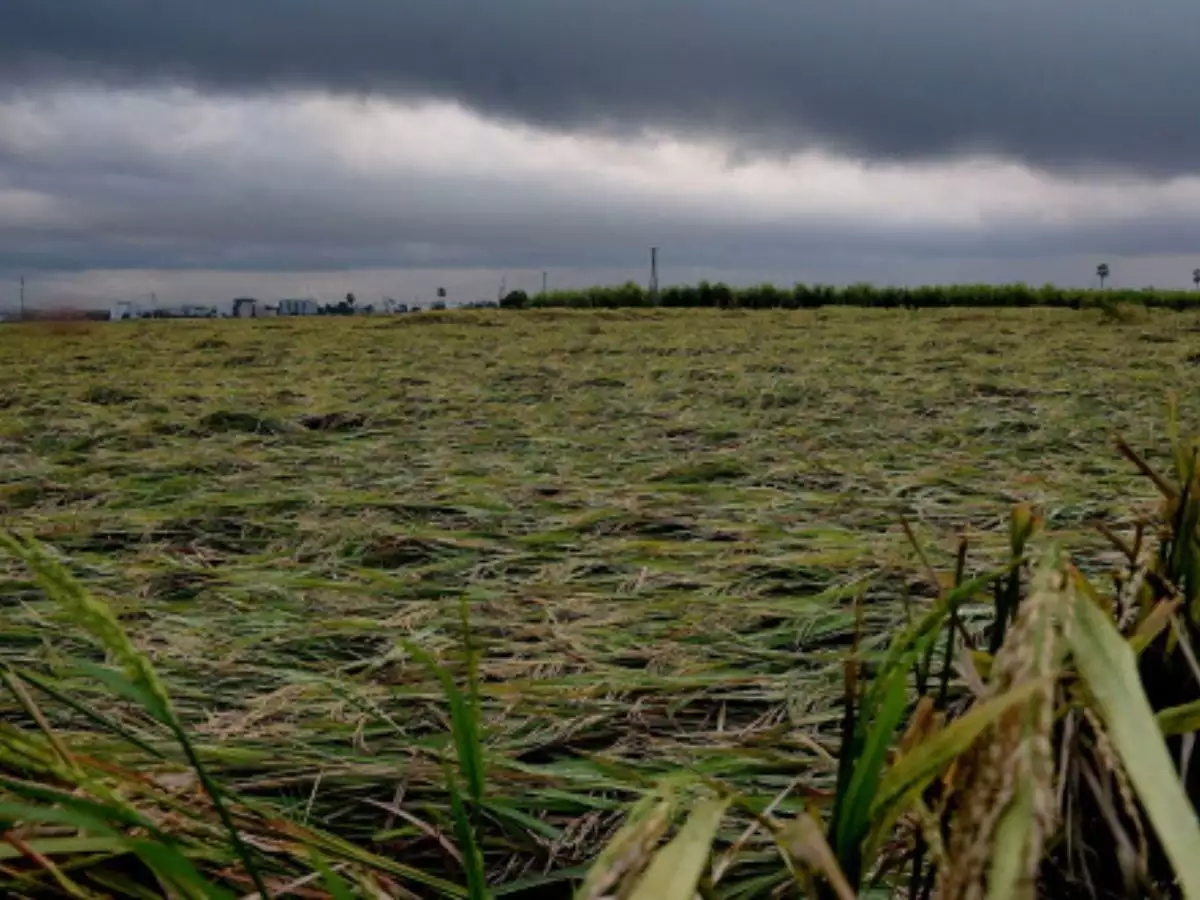
Consistent rain through the spring — especially in May — has farmers and their crops far behind. Patches of dirt where crops failed to emerge and river-like pathways between rows of corn and beans show just how devastating the rain has been.
In Columbia during May, there were 5.68 inches of rainfall , according to the National Weather Service. Normally, May has about 5 inches, though last year's total was only 3 inches. So far this month, the area has received 0.41 inches of rain, as of 7 p.m. Sunday.
Kelly Smith, director of marketing and commodities for the Missouri Farm Bureau, said, "Rain is good, and it's bad."
“It’s a two-edged sword during planting season.”
The relentless rain has kept farmers out of muddy fields and pushed back the planting of corn and soybeans by at least a month, according to the Missouri Climate Center. In the central district of Missouri, which includes Boone County, only 0.8 days were deemed suitable for fieldwork for the last week of May, according to a chart by the U.S. Department of Agriculture released on June 1. Five other regional districts had even fewer days suitable for fieldwork.
With May's rainfall exceeding the normal monthly average, farmers are growing impatient. The average of nearly two-tenths of an inch of rain per day in May has hit soybean growers particularly hard.
As of May 31, only 16 percent of the anticipated soybean crop had been planted in Missouri's central district, said Bob Garino, a U.S. Department of Agriculture statistician in Missouri. That's down considerably from the 74 percent that had been planted by May 31 last year, he said.
“It’s the least progress we’ve had at this time of year for soybeans for the past 10 years,” Garino said.
The window of opportunity for planting soybeans in time for them to reach maturity by fall is quickly closing. The U.S. Department of Agriculture lists June 20 as the deadline for planting soybeans.
Although some farmers were able to plant their soybeans before most of the rain came through, other farmers still haven't been able to finish planting.
“Farmers have been very patient up until probably this week,” Smith said. “Now they’re getting a little ‘growly,’ and I don’t blame them.”
The optimal time for planting corn is over, Smith said. Ideally, corn had to be in the ground by the end of May.
“It’s worst up in the northwest part of the state,” Garino said.
Nathan Martin, a local farmer, plans to grow 400 acres of corn and 500 acres of soybeans. While Martin has been able to plant all but 50 acres of his corn, he's only planted 40 acres of soybeans — and he'll have to replant much of that.
"The excessive moisture has ... drowned the crops," Martin said. "I'm going to need to replant."
In 2014, Missouri farmers planted 3.5 million acres of corn for grain across the state, according to a USDA crop production summary report released in January. Missouri had 5.6 million acres of soybeans in both 2013 and 2014.
Across the state, 87 percent of the anticipated corn crop had been planted by June 1, down from 99 percent last year. But simply planting the corn isn't enough to ensure a healthy yield. The rain has spoiled much of the corn crop already. The roots of corn require oxygen that they can't get when they're submerged in water. Saturated soil causes corn to grow unevenly. It becomes light-green or yellow, signifying early failure.
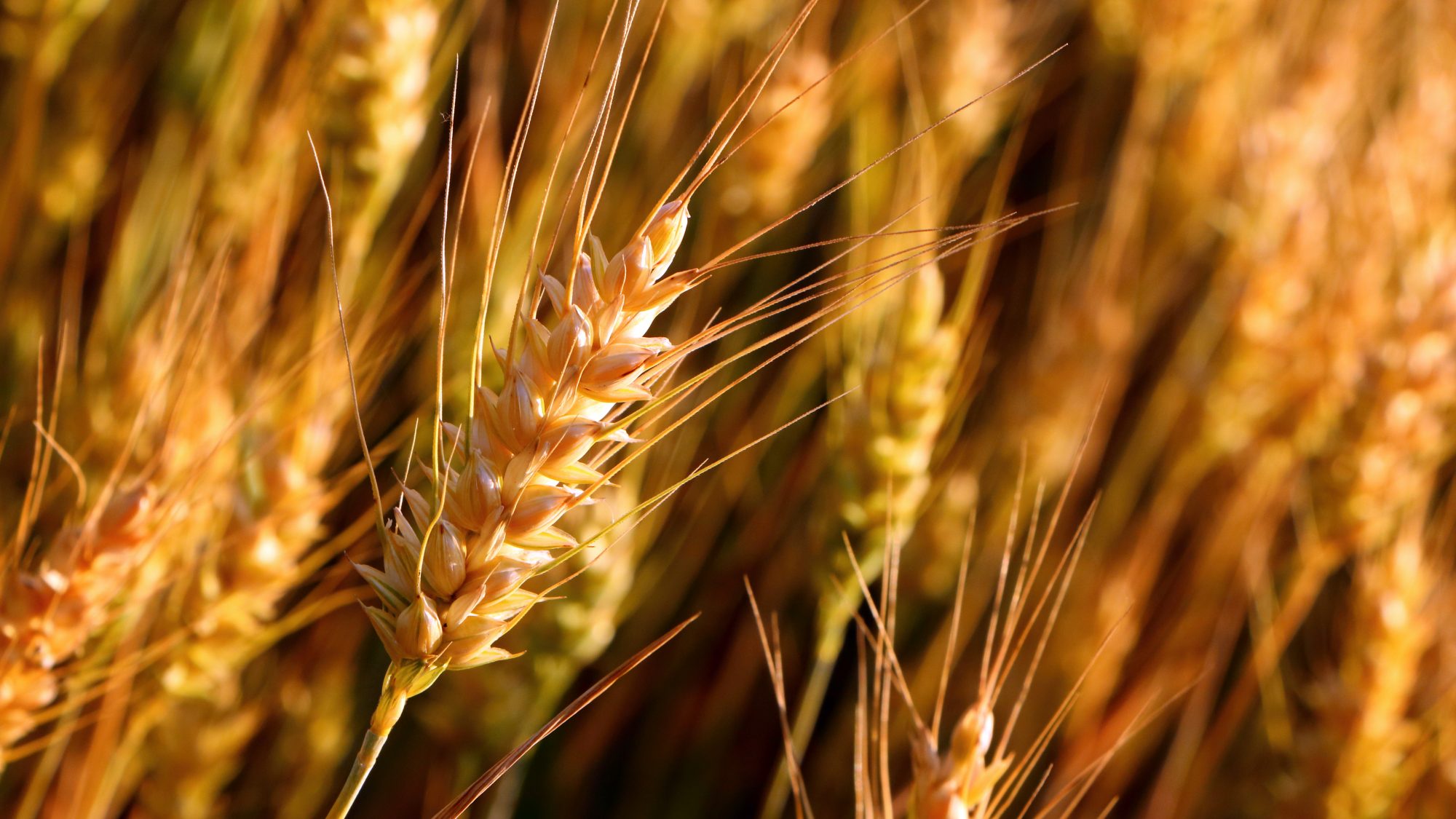
Wheat, which is due to be harvested soon, also is suffering from the excessive rain. Garino said the next report on the status of the wheat crop is scheduled to come out on Wednesday.
“It’s decent,” Garino said. “It’s not great-lookin’, but it’s OK.”
Looking ahead, warmer weather and high moisture could breed plant diseases and force farmers to leave some of their acreage unplanted. What farmers really need is a good dry spell so they can finish planting, then “timely rainfall throughout the summer to keep everything moving along,” Smith said.
Farmers who can't plant their entire crop can seek relief through insurance policies with the Prevented Planting program, part of the U.S. Department of Agriculture's risk management agency. The insurance program protects farmers from financial losses caused by flooding and other natural causes.
Source - http://www.columbiamissourian.com/